Key Trump legislative adviser to depart with potentially bruising midterm looming

Daftar Isi
White House Legislative Liaison Set to Exit Ahead of Midterm Crunch
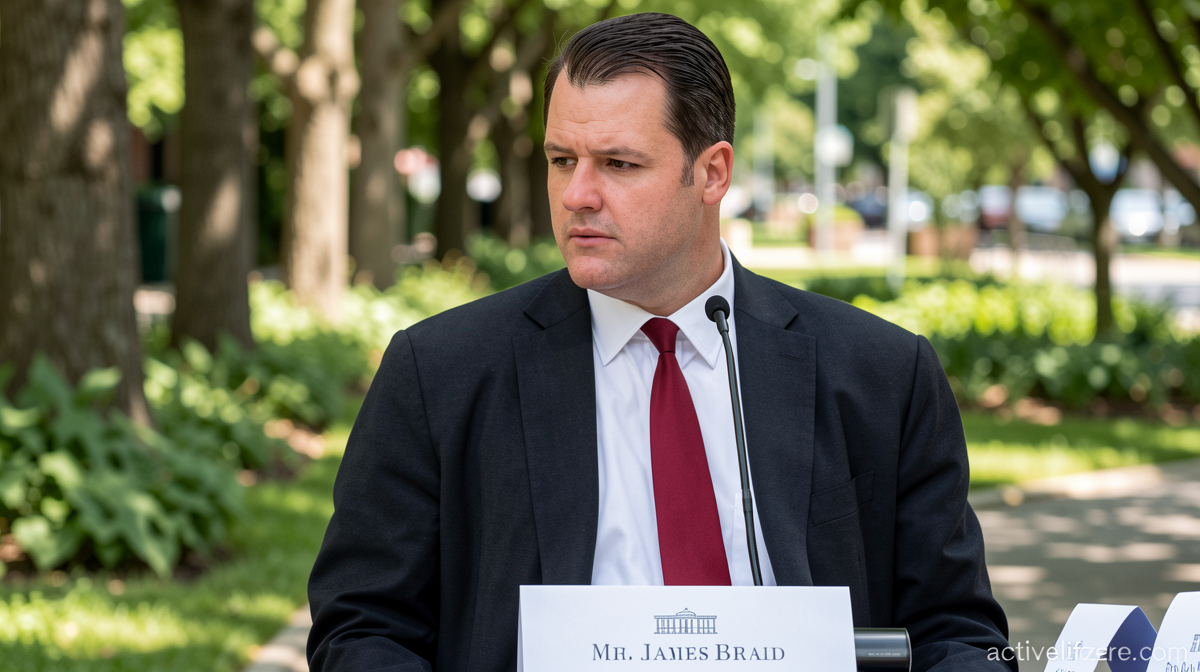
Activelifezero.com – The White House is preparing for a significant leadership change in its congressional operations as Director of Legislative Affairs James Braid is expected to step down from his post within the next several weeks. The move, confirmed to CNN by a Trump administration official on Wednesday, places the president’s most direct pipeline to Capitol Hill in transition at a moment when midterm elections are less than three months away. Braid, who has served as President Donald Trump’s principal bridge between the West Wing and Congress throughout the second term, is reportedly heading into a private-sector position.
A Role Built Around Persuasion and Access
At 35 years old, Braid occupies one of the most consequential advisory positions in the executive branch. His mandate centers on translating presidential priorities into legislative action — a task that, in practice, means spending hours in committee rooms, whip counts, and back-channel negotiations to coax reluctant lawmakers into supporting measures that often face partisan resistance. White House insiders have long credited his relationships on the Hill with enabling the administration to advance its more contentious agenda items, including the sweeping tax-reduction package Trump branded the “one big beautiful bill.”
Those congressional victories did not emerge in a vacuum. Braid’s professional trajectory is deeply intertwined with that of Vice President JD Vance, who served as a senator before being elevated to the vice presidency. The two developed a close working relationship during the Senate years, and that bond carried forward into the executive branch. When Trump needed a legislative operator who could navigate both chambers with credibility, Braid’s combination of youthful energy, personal loyalty to the administration’s ideological project, and established relationships with key committee members made him the natural choice.
Trump’s Public Farewell
The president made the departure official on his own terms. On Thursday morning, Trump took to Truth Social to announce the change.
“James Braid, our Director of Legislative Affairs, will be leaving the White House in September,” Trump wrote, praising him for playing “a critical role in our many accomplishments with Congress.”
The timing of the announcement — midweek, ahead of a weekend that will likely dominate the news cycle with midterm campaign activity — underscores how tightly the White House calendar is now governed by electoral considerations. A legislative director who departs before the November vote leaves the incoming team of successors with a compressed window to shepherd any remaining priority bills through both chambers.
Midterm Stakes and Legislative Risk
Less than three months separate Braid’s expected exit from the midterm elections, a period in which Congress traditionally slows its legislative calendar as members shift focus to campaign trails. The White House has historically used the final weeks before a midterms to push through signature items before the chamber composition changes. Losing the architect of those final pushes now introduces uncertainty: successor officials will need weeks to rebuild relationships, learn the internal dynamics of each committee, and re-establish the informal channels through which Braid operated. For a president whose agenda still includes items that require bipartisan or at least cross-party support, that gap carries real legislative risk.
A Parallel Departure in Communications
Braid’s exit does not arrive in isolation. White House press secretary Karoline Leavitt announced last week that she will conclude her tenure at the end of August, marking another high-profile departure from the president’s inner circle. Leavitt has functioned as one of Trump’s closest allies within the West Wing, and her departure represents a substantial restructuring of the administration’s public-communications apparatus. Trump indicated that Leavitt will remain available as an outside adviser, a role that preserves access without the day-to-day operational burden of the press office.
Two simultaneous departures from the president’s most trusted operational staff — one managing congressional strategy, the other managing the narrative — arrive at a moment when the administration’s public standing is under pressure. Approval ratings have slipped amid the ongoing military conflict with Iran and persistently elevated gasoline prices. Polling cited in recent coverage suggests most Americans believe the president has not devoted sufficient attention to what they consider the country’s most pressing domestic problems. In that environment, the loss of experienced operators who understand both the legislative process and the president’s personal style of governance amplifies the political vulnerability of the final stretch before the midterms.
Vance’s Tribute
Vance, who has worked alongside Braid for years, offered his own public commendation on Thursday via X.
“Not only is James brilliant, he is one of the hardest workers you will ever meet,” Vance wrote, adding, “Very excited to see what he does next.”
The vice president also characterized the legislative director’s position as carrying “one of the toughest jobs in the entire Administration,” a framing that highlights the constant tension between a president’s ambitions and the institutional realities of a divided or narrowly controlled Congress.
What Comes Next
The White House has not yet named a successor to Braid, nor has it disclosed the specific private-sector role he will assume. In past administrations, transitions of this kind have been handled quietly, with the outgoing official remaining in the building through the end of the month while a replacement is vetted. Given the compressed timeline before the midterms, any successor will inherit an agenda that is already partially executed and partially stalled, with limited time to move the remaining items before the November vote reshapes the chamber math. The private-sector destination Braid is reportedly pursuing suggests a career path in policy advocacy, corporate government affairs, or a role tied to the financial or technology sectors — industries that have become increasingly active in shaping federal legislative outcomes.
For now, the practical question facing the West Wing is straightforward: who will pick up the phone calls, walk the corridors, and negotiate the final votes that Trump still wants before the American electorate speaks in November? The answer remains pending, and the clock is already running.
Related Reading
Frequently Asked Questions
What is Key Trump legislative adviser to depart?
Key Trump legislative adviser to depart is the main topic of this guide. The article explains the context, practical details, and next steps readers should understand.
Why does Key Trump legislative adviser to depart matter?
Key Trump legislative adviser to depart matters because readers are looking for a useful answer, not just a short summary. Good content should match search intent and help them decide what to do next.