Iran meeting with Gulf countries to discuss Strait of Hormuz deal without the US

Daftar Isi
Iran and Gulf States Plan Strait of Hormuz Shipping Talks
Activelifezero.com – An Iran meeting with Gulf countries is expected to address an Omani proposal intended to restore regular tanker traffic through the Strait of Hormuz. The United States will not participate, despite continuing to escort oil tankers through the strategically important waterway.
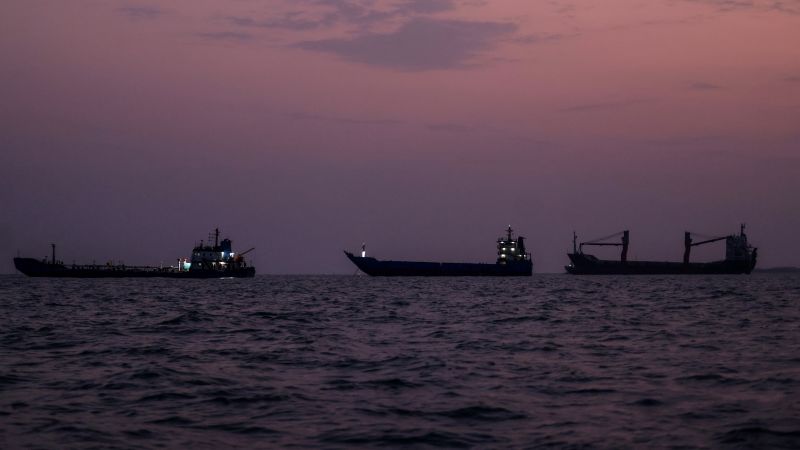
Gulf governments are seeking a more durable arrangement for commercial shipping as tanker movements remain below normal levels. Military escorts and alternative routes may offer limited protection, but regional officials appear to view them as insufficient substitutes for predictable, routine navigation.
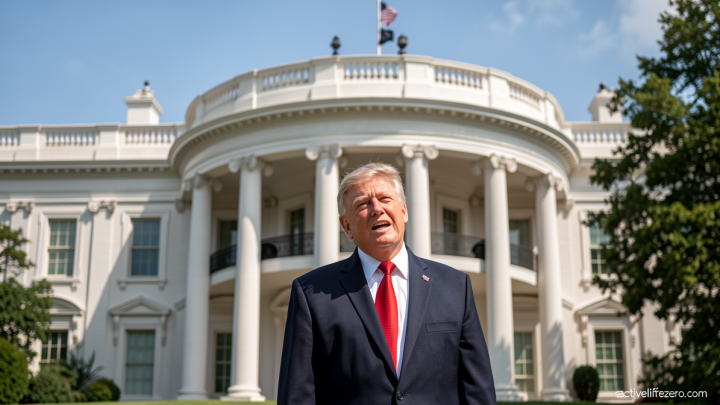
President Donald Trump has said the current situation is manageable because US forces are accompanying tankers. Gulf countries, however, are continuing their own discussions about a framework that could help reopen the passage to wider commercial traffic.
Oman’s Proposal for Safer Transit
Oman has held private consultations for months on a possible legal arrangement to reopen the strait. The proposal could allow Iran and Oman to receive payments related to transit management, although diplomats remain divided over whether any payment mechanism would be acceptable.
Three people familiar with the proposal said the framework would rely on voluntary contributions associated with navigational safety and environmental protection. The idea is meant to avoid creating mandatory transit charges while providing a way to manage shipping through the waterway.
A key goal of the Iran meeting with Gulf countries is to agree on maps that identify routes vessels could use through the strait. While that would be an early and limited step, it could establish a practical basis for wider negotiations on commercial navigation.
“There is no imminent breakthrough expected, but resolving the strait issue is the most pressing issue, so we need to start somewhere,” a regional source said.
Mandatory fees remain one of the most difficult issues. Before the conflict, commercial vessels used the waterway without required payments. During the early phase of the fighting, the United States and regional governments opposed any postwar system that would introduce new charges, particularly if Iran gained a financial benefit.
That position has become less firm as higher energy prices have persisted and diplomats have looked for a legal route back to normal shipping. European and Gulf officials have considered arrangements involving symbolic rules or voluntary payments that could allow progress without creating a formal Iranian toll system.
“We won’t accept something that was not there before, but there could be symbolic new rules that allow both sides to save face from both sides,” said a European diplomat briefed on the Omani proposal.
US Priorities Remain Focused on Iran’s Nuclear Program
Trump administration officials have privately told Gulf partners that future engagement with Tehran should focus on Iran’s nuclear program rather than a deal on the Strait of Hormuz. Officials have reviewed Oman’s developing proposal but have not publicly endorsed it.
Trump outlined his position in a Truth Social post on Tuesday night, following Iran’s retaliation after US strikes.
“I’m not trying to force Iran to the bargaining table,” Trump wrote. “I like our position now much better, with almost total control of the Hormuz Strait, and their economy totally collapsing.”
A US official said Washington would remain in close contact with regional partners before, during and after the talks. The official also maintained that Iran does not control the strait.
“The United States is in close communication with all of our regional partners and will remain so before, during, and after the meeting. Iran does not control the Strait of Hormuz and never will,” said a US official.
Another US official said American forces believe they hold the military advantage in the waterway. The administration initially underestimated Tehran’s willingness to close the passage after the United States and Israel began combat operations earlier this year, according to the official. Iran has since used the risk to commercial shipping as leverage during the conflict.
“We don’t want to talk about the strait, and that is the position of the administration right now — we’re only going to talk to you if you want to talk about nuclear file,” the official said.
Why the Strait Matters to Gulf Countries
The Strait of Hormuz connects the Persian Gulf with the Gulf of Oman and is a critical route for oil and other cargoes leaving the region. Disruption can affect energy prices, insurance costs, shipping schedules and the ability of Gulf exporters to reach global markets.
For Gulf countries, the talks are about more than immediate security. A reliable shipping arrangement could reduce uncertainty for commercial operators and lessen dependence on military escorts, while also addressing Iran’s role in any future system for managing transit.
The Iran meeting with Gulf countries is not expected to produce an immediate breakthrough. Still, agreement on shipping routes, safety measures and the principle of resumed commercial passage could provide the first step toward a broader regional understanding.
FAQ: Strait of Hormuz Talks for Gulf Businesses and Travelers
What is being discussed at the meeting?
Officials are expected to discuss an Omani framework for restoring regular commercial shipping through the Strait of Hormuz, including possible vessel routes and safety arrangements.
Will the United States attend?
No. The United States is not taking part in the meeting, although US forces are escorting oil tankers through the waterway and remain in contact with regional partners.
Could ships face new transit charges?
Diplomats are considering possible voluntary contributions linked to navigation safety and environmental protection. Mandatory charges remain controversial because commercial ships previously passed through the strait without required payments.
Why does this matter across the Gulf region?
Normal access through the Strait of Hormuz is important for oil exports, cargo deliveries and regional trade. A stable arrangement could help reduce shipping uncertainty and pressure on energy markets.