King Charles acknowledges ‘injustices of the past’ as Caribbean tour gets underway

Daftar Isi
King Charles Acknowledges Injustices During Caribbean Tour
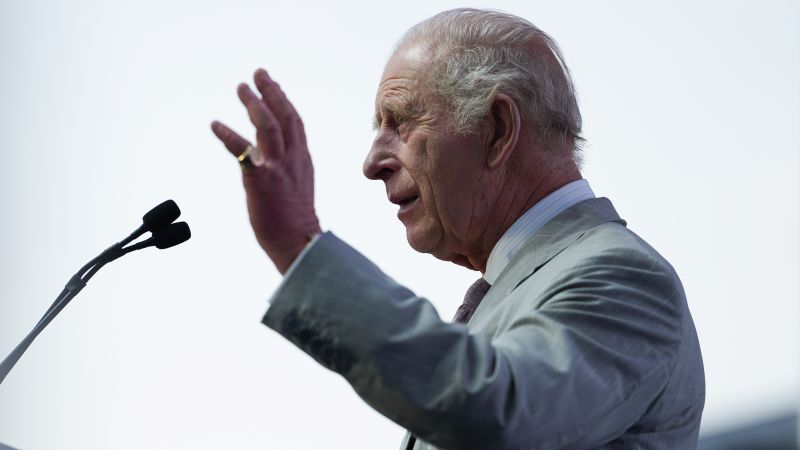
Activelifezero.com – King Charles acknowledges injustices of the past as he begins a nine-day Caribbean tour, where Britain’s role in the transatlantic slave trade and calls for reparative justice are expected to feature prominently. Speaking at a youth event in Nassau, Bahamas, the monarch referred to the “great suffering and injustices of the past.”
The 77-year-old King is travelling with Queen Camilla and is also scheduled to visit Guyana and Antigua and Barbuda. The trip includes the Commonwealth Heads of Government Meeting, or CHOGM, which will bring together representatives from 56 countries.
Reparations Expected to Be a Key Topic
King Charles acknowledges injustices at a time when Caribbean governments and regional organisations are pressing for broader international discussion of reparations. Britain played a major part in the forced transportation of enslaved Africans across the Atlantic, with an estimated 3.2 million people carried on British ships.
Between the 15th and 19th centuries, at least 12.5 million Africans were abducted and sold into slavery by European merchants. The legacy of that system remains closely tied to modern debates about inequality, accountability and relations between former colonial powers and Caribbean nations.
Caricom, the Caribbean Community of 23 member and associate member states, said it wanted reparations considered at the CHOGM meeting. Secretary-General Carla Barnett said the issue was about justice rather than solely financial compensation.
“The Caribbean has consistently asserted that reparations is fundamentally about justice,” Barnett said. “It is about recognition, accountability and transformation, and about building a just and equitable future for the descendants of those who, as the chattel of colonial owners, endured untold suffering, loss of life and freedom.”
Why a Formal Apology Remains Uncertain
Although King Charles acknowledges injustices connected to Britain’s history, Buckingham Palace has indicated that he will not make a formal apology during the visit. As head of state, the King acts overseas on the advice of government ministers, and the palace has described decisions on apologies as matters for governments.
Commonwealth Secretary-General Shirley Botchwey said leaders should address the question directly. Asked whether the King should apologise for Britain’s role in the slave trade, she said an apology “wouldn’t hurt” and reflected what countries had requested.
“That’s what the countries have asked for,” Botchwey said. “I don’t believe we can run away from it. But it is important to determine the form that reparations should take.”
The UK government continues to oppose reparations. Foreign Office sources have argued that there is no legal basis for payments because slavery was lawful at the time, while UK Business Secretary Jonathan Reynolds said reparations were not a “reasonable request.” He also said Britain’s history should remain open to discussion.
A Changing Tone From the Monarchy
The King’s remarks follow years of increasingly regretful language from the British monarchy about slavery and colonial abuses. At the 2024 CHOGM gathering, Charles said the most painful parts of the past continued to resonate, though he did not offer a direct apology or address reparations in detail.
For Caribbean leaders, the discussion is broader than a single statement of regret. Their calls focus on recognition, accountability and practical action to address the long-term effects of colonial exploitation. The Commonwealth meeting offers a significant diplomatic forum, even as agreement on reparations remains uncertain.
FAQ: King Charles’ Caribbean Tour and Reparations
What did King Charles say in the Bahamas?
He referred to the “great suffering and injustices of the past” during a youth event in Nassau, acknowledging the painful legacy of slavery in the Caribbean.
Will King Charles formally apologise for slavery?
Buckingham Palace has said he will not issue a formal apology during this trip. The palace has indicated that such decisions are for governments rather than the monarch alone.
Why are Caribbean leaders raising reparations?
Caribbean governments and Caricom argue that reparations concern justice, recognition and accountability for the enduring consequences of slavery and colonial exploitation.