At least 11 killed after avalanche hits climbers in Russia’s North Caucasus

Daftar Isi
Avalanche on Mount Mizhirgi Claims at Least 11 Lives in Russia’s North Caucasus
Activelifezero.com – The North Caucasus range, long celebrated by mountaineers for its dramatic ridgelines and comparatively accessible high-altitude routes, was shaken on Sunday when a sudden avalanche buried an entire climbing party on the upper slopes of Mount Mizhirgi. Local emergency services confirmed that at least 11 people died and six more sustained injuries in the disaster, which struck around 5 p.m. local time (9 a.m. EST) in the Kabardino-Balkaria republic.
The slide and its immediate aftermath
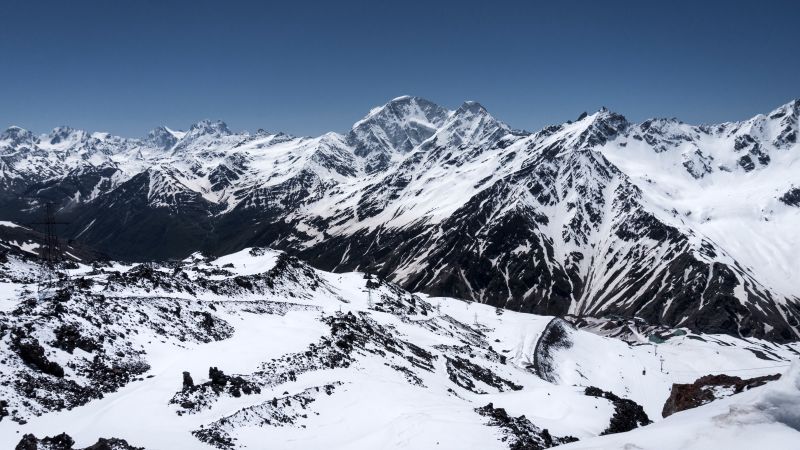
The avalanche tore down the face of Mizhirgi, a summit that ranks among the most elevated in the region’s mountain system, catching a group of 33 climbers by surprise. By the time first responders reached the affected zone, the initial toll was already severe. As of 9 a.m. local time on Monday, ten members of the party had managed to descend the mountain under their own power. The whereabouts of six additional climbers remained unconfirmed, emergency officials stated, leaving a grim uncertainty over whether any further survivors might still be buried beneath the debris field.
A rescue operation constrained by terrain and weather
More than fifty emergency workers were deployed to the scene in the hours following the slide. Their task was complicated by two converging factors: the rugged, snow-covered terrain of the upper slopes, and a persistent risk of secondary avalanches that made sustained operations genuinely dangerous. Search teams worked through the night and into Monday morning, but the combination of altitude, limited visibility, and unstable snowpack meant that progress was slow and every movement required careful risk assessment before a team could advance further up the mountain.
Mount Mizhirgi and the climbing tradition of the North Caucasus
Mizhirgi rises to roughly 4,016 meters in the Kabardino-Balkaria republic, a federal subject situated between the Greater and Lesser Caucasus ranges. It has long drawn both experienced alpinists and guided tour groups seeking a challenging yet technically manageable objective. The mountain’s steep, snow-laden flanks make it particularly vulnerable to slab avalanches, especially during periods of diurnal warming or after fresh snowfall adds weight to an already stressed snowpack.
The broader North Caucasus hosts several peaks exceeding 5,000 meters, including Mount Elbrus at 5,642 meters, the highest point in Europe. Yet even lower summits like Mizhirgi present genuine hazards: rapid weather changes, crevasse fields, and avalanche-prone couloirs can transform a routine ascent into a life-threatening situation within minutes. The region’s relative proximity to major population centers means that climbing traffic is substantial, and the consequences of a single catastrophic event can be felt across the entire mountaineering community.
Seasonal conditions and operational context
Sunday’s incident occurred during a period when late-season snowpack conditions in the Caucasus can become unpredictable. As temperatures fluctuate around the freezing line, upper layers of snow may soften while deeper strata remain solid, creating conditions ripe for slab releases. Climbers operating in the region are routinely advised to consult avalanche forecasts and to carry appropriate rescue equipment, yet the sheer scale of the Mizhirgi slide — large enough to engulf an entire party of 33 — underscores how quickly conditions can overwhelm even well-prepared groups.
The Kabardino-Balkaria region has seen periodic mountain disasters over the years, though an event of this magnitude, with a confirmed death toll of at least 11, is uncommon. Regional authorities indicated that the search for the six missing climbers would continue as long as conditions permitted, while medical teams stood ready to treat the six injured survivors who had been extracted or reached by rescue personnel.
What comes next
Families of the victims and the surviving members of the climbing party now face the immediate aftermath: medical care for the injured, coordination with insurers, and the logistical challenge of recovering bodies from high-altitude terrain. Regional emergency services said they would continue operations until all missing persons were accounted for, though they cautioned that further slides could force temporary suspensions of the search, adding days to an already agonizing wait.
For the wider mountaineering community, the tragedy serves as a stark reminder that the North Caucasus, while less remote and less technically demanding than ranges such as the Himalayas or the Andes, still commands full respect. A single afternoon slide on a well-known peak can erase decades of accumulated climbing culture in one afternoon, and the memory of Mizhirgi will now carry a weight that extends far beyond its altitude.
Related Reading
Frequently Asked Questions
What is At least 11 killed after avalanche?
At least 11 killed after avalanche is the main topic of this guide. The article explains the context, practical details, and next steps readers should understand.
Why does At least 11 killed after avalanche matter?
At least 11 killed after avalanche matters because readers are looking for a useful answer, not just a short summary. Good content should match search intent and help them decide what to do next.