How the humble barcode could help prevent the next cyclospora outbreak

Daftar Isi
A Two-Dimensional Leap: How Upgraded Barcodes Could Reshape Food Safety in American Grocery Aisles
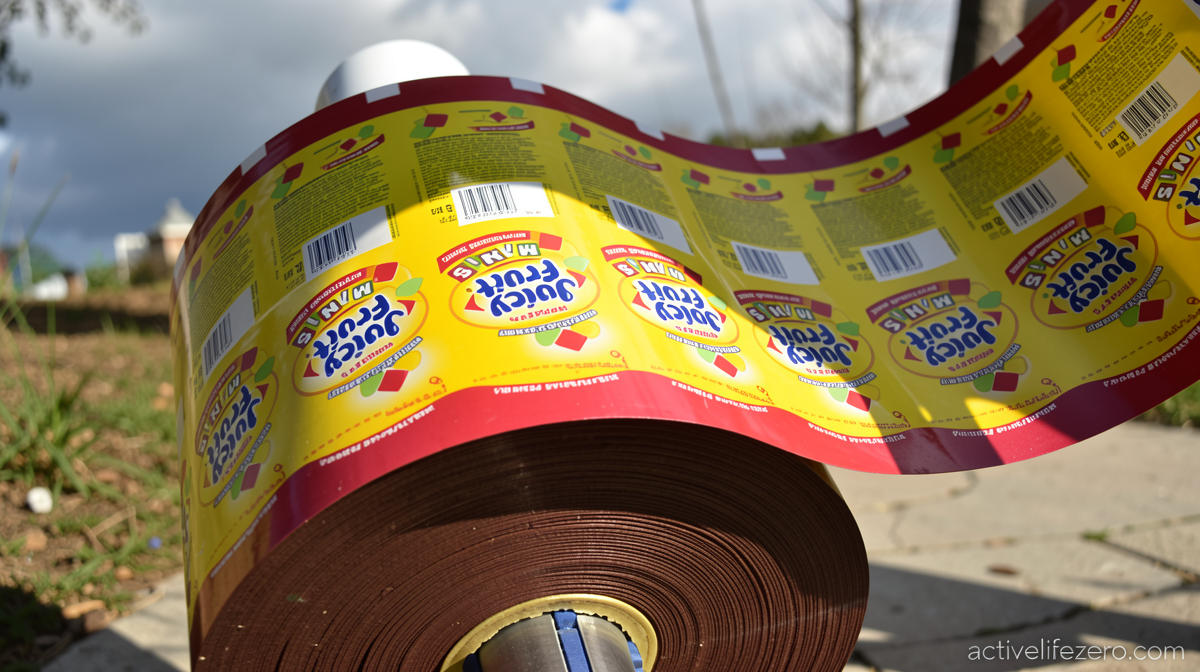
Activelifezero.com – The checkout lane has been the quiet battleground of retail technology for half a century. Since a cashier in Troy, Ohio, ran a pack of Wrigley’s Juicy Fruit gum through a scanner on June 26, 1974, every product purchased at a physical store has been identified by a thin strip of black-and-white lines. Fifty-two years later, the fundamental mechanics of that transaction remain essentially unchanged. Yet the packaged-goods and retail sectors are now preparing to retire the one-dimensional universal product code in favor of a far more information-dense successor — a two-dimensional, QR-code-style label capable of carrying up to 3,000 digits and characters rather than the current format’s modest ten.
The rollout is expected to begin within the next year, and the stakes extend well beyond convenience. Industry leaders and public-health officials argue that embedding batch-level traceability directly into the barcode could fundamentally alter how the United States detects, contains, and prevents outbreaks of foodborne illness. The motivation is urgent: this summer’s cyclosporiasis outbreak claimed two lives, underscoring how costly delays in product identification can be when a contaminated batch sits on a shelf for days or weeks before anyone connects it to a sick customer.
What the Old Code Actually Does — and Doesn’t
Today’s ten-digit UPC barcode performs exactly one function: it tells a point-of-sale terminal which item is being scanned so the correct price can be applied. The moment a product leaves the register, the code ceases to matter. It carries no information about where the item was manufactured, when it was packaged, which farm supplied its raw ingredients, or whether it belongs to a batch under recall. All of those details live elsewhere — printed as bin and lot numbers on the package in a string of alphanumeric characters that often resembles the output of a 1990s dot-matrix printer.
When a recall is issued, a human being — a store associate, a regulatory inspector, or a worried shopper — must locate that lot number, decode it, and compare it against the recall notice. In a typical big-box retailer stocking roughly 50,000 unique SKUs with dozens of units of each on the shelf, that manual cross-referencing is slow, error-prone, and labor-intensive.
“Human systems aren’t infallible,” said Frank Yiannas, who spent a decade as Walmart’s head of food safety before serving as FDA deputy commissioner of food policy and response. “It’ll no longer be a guesstimate. Precise recalls would add a lot of value to companies and to the customer.”
What the New Code Unlocks
A two-dimensional barcode, scanned by a cashier’s handheld reader or by a consumer’s smartphone camera, can encode the same product-identification data as its predecessor while simultaneously carrying bin numbers, lot identifiers, packaging dates, allergen disclosures, farm-of-origin information, recyclability instructions, and links to manufacturer websites. The implications cascade outward from that single capability:
For stores: Inventory-management software can flag items approaching their expiration date and prevent spoiled or recalled units from completing a sale at the register. Shelf-level waste — which, per Yiannas, costs major retailers hundreds of millions of dollars annually and in extreme cases reaches into the billions — could shrink dramatically once the system knows exactly which batch is on which shelf and when it was packed.
For manufacturers: If a contamination event is detected, the company can push a digital alert tied to the specific lot number embedded in the barcode. Recalled units would simply fail to scan, removing them from commerce without requiring a human to read a tiny stamp on the back of a cereal box.
For consumers: A shopper at home can point a phone at the code and receive an instant safety verdict — safe, recalled, or expired — along with allergen details and sourcing information. The technology, in its ideal deployment, would stop a dangerous product from ever reaching a shelf in the first place.
“I don’t think they’re overselling the benefits of this,” Yiannas said of the industry’s pitch for the upgrade.
The Standards Body Behind the Shift
GS1, the global standards organization that licenses and governs barcode symbologies, is championing the transition. Its position is that the cumulative gains for retailers, producers, and shoppers outweigh the implementation burden — even though the shift demands new printing infrastructure, updated point-of-sale software, and revised packaging workflows across an industry that has run on the old symbology for over five decades.
The Gap Between Promise and Practice
The technology is not yet deployed at scale, and the path to full implementation is nontrivial. Embedding a unique bin-and-lot identifier into every individual package means either printing a distinct label on-site at the packing line or pre-printing millions of variant packages and shipping them to distribution centers before they are needed. Both approaches carry capital costs, supply-chain complexity, and quality-control challenges that smaller manufacturers may find difficult to absorb quickly.
Still, the direction of travel is set. The question is no longer whether two-dimensional barcodes will replace the century-old line code — the industry has committed to the transition — but how rapidly the infrastructure can be rebuilt and whether the food-safety payoff arrives before the next cyclospora, salmonella, or listeria event tests the old, human-dependent recall machinery one more time.
Related Reading
Frequently Asked Questions
What is How the humble barcode could help?
How the humble barcode could help is the main topic of this guide. The article explains the context, practical details, and next steps readers should understand.
Why does How the humble barcode could help matter?
How the humble barcode could help matters because readers are looking for a useful answer, not just a short summary. Good content should match search intent and help them decide what to do next.