Trump’s threats anger Omanis, leave observers puzzled

Daftar Isi
Oman’s Mediation Role Collides With Washington’s Latest Ultimatum
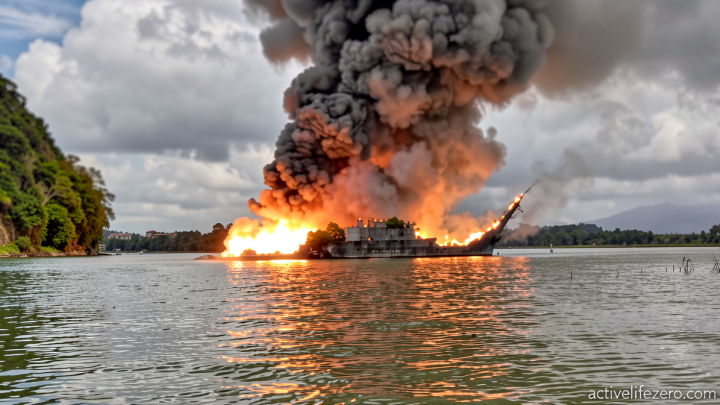
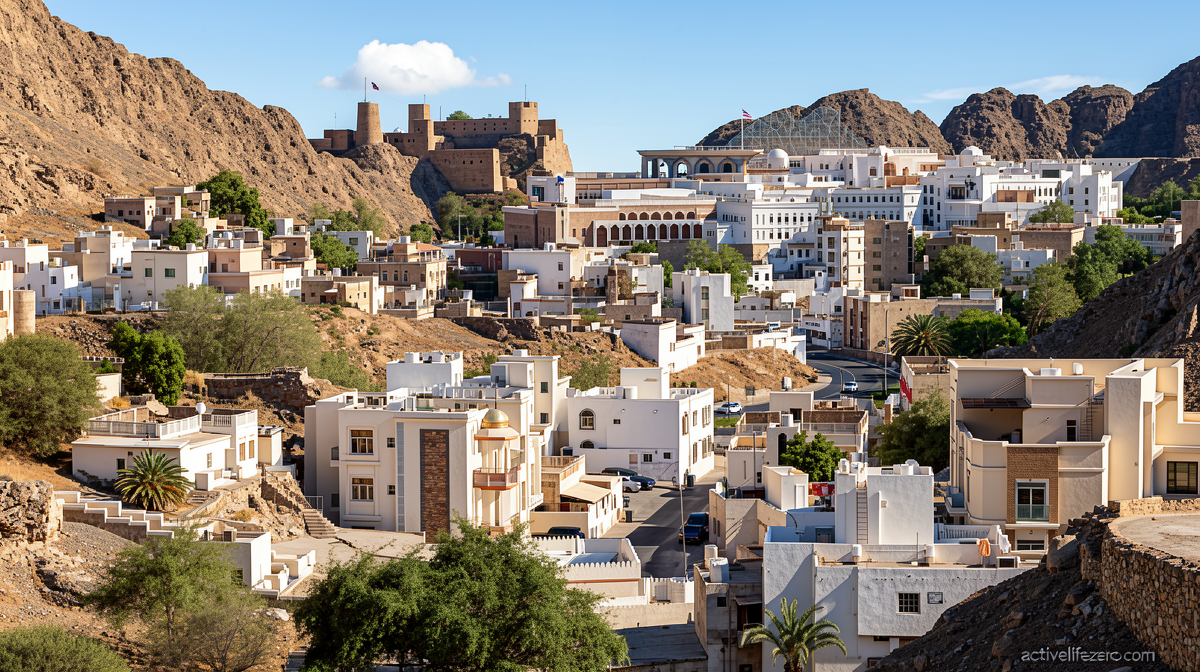
Activelifezero.com – The diplomatic stalemate between the United States and Iran deepened on Monday as a previously signed framework for peace negotiations lapsed without resolution, and President Donald Trump responded by renewing a threat to destroy the small Gulf sultanate that has spent months shuttling messages between Washington and Tehran. The warning — first floated in May and now repeated with renewed force — targets Oman specifically for its ongoing talks with the Islamic Republic over the administration of the Strait of Hormuz, the narrow waterway through which roughly a fifth of global oil shipments pass and which threads directly through Omani coastal waters.
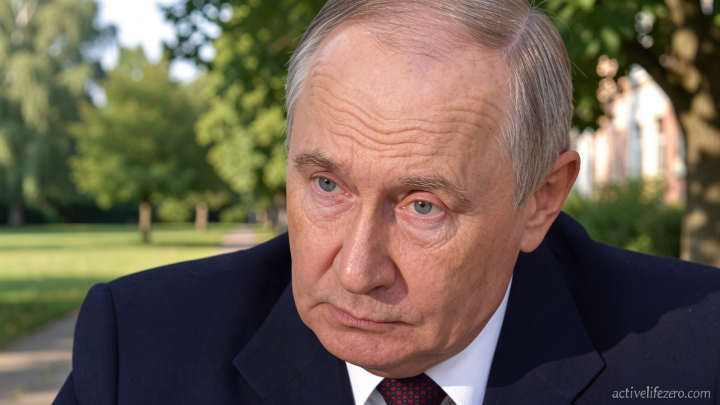
The contradiction at the heart of the episode is stark. In a signed document, Trump himself agreed that Muscat would “conduct dialogue” with Tehran to define the future governance and maritime services framework for the strait. Weeks later, the same president told Fox News interviewer Trey Yingst that if Oman obstructed American interests, the response would be total destruction.
“If Oman gets in the way, we’ll bomb the shit out of them,” Trump said.
A Neutral Posture Under Fire
Oman’s position during the broader regional conflict has been one of careful neutrality. Even as Iran launched large salvos of missiles and drones at neighboring Arab states — and occasionally toward Omani territory — Muscat kept its channels with Tehran open. Throughout the hostilities, the sultanate continued dialogue with Iranian officials over vessels transiting the strait, and it permitted ships to reroute through its own coastal sea lanes to avoid the corridors that the Islamic Revolutionary Guard Corps had designated for transit. That practical role made Oman indispensable to global shipping even while the wider war raged.
Now, with the conflict’s aftermath unresolved, Oman is negotiating directly with Tehran on how the waterway will be managed going forward — a task that has drawn sharp criticism from Washington despite global anxiety over Iran’s stated ambitions to control the chokepoint.
Washington’s Own Ambassador Calls the Threats Puzzling
Marc J. Sievers, who served as the United States ambassador to Oman, told CNN that the repeated warnings left him genuinely confused about what prompted them.
“Perhaps Trump didn’t mean to be taken literally but more the matter of getting the Omani attention, which I’m sure he did,” Sievers said. “It’s hard to think of Admiral Cooper planning bombing raids on Oman.”
His remark pointed to Adm. Brad Cooper, the current chief of US Central Command, the theater commander who would oversee any such operation. Sievers acknowledged that the second round of threats — the first having come in May — should prompt Muscat to reassess its risk calculus.
“This is the second time that President Trump has issued (a) threat. … There is obviously something behind it that you would think the Omanis would want to pay attention to,” he added.
The Independent-Path Problem
Hasan Alhasan, a senior fellow at the International Institute for Strategic Studies, framed the friction in structural terms. In his view, Trump’s irritation stems from Muscat pursuing a policy toward Iran that does not consistently track American preferences. Yet, Alhasan noted, that very independence is what gives Oman its mediating value — the capacity to speak credibly to Tehran in a way Washington cannot.
“Ironically, however, this is precisely what enables Muscat to play the mediating role that Washington often relies upon to facilitate contact with Tehran,” Alhasan said.
The contrast with Qatar sharpens the point. Doha, another Gulf state that has brokered agreements with Iran, has coordinated its mediation closely with the White House. Oman has not, and that divergence appears to be the root of the current tension.
Regional Silence, Social-Media Pushback
Across the Gulf, official governments issued no formal condemnation of Trump’s remarks. The Omani Foreign Ministry did not respond to repeated requests for comment. Yet on social media, Omani commentators voiced sharp criticism.
Zakaria Al-Muharrmi, writing on X, recalled Oman’s past diplomatic services to Washington — including the release of detained American citizens in Tehran and the persuasion of Houthi forces to cease shelling US warships.
“America’s wise leaders know that Oman is the one that freed many detained American citizens in Tehran, and that it is the one that convinced the Houthis to stop shelling American warships, and that it is the key to the solution in the Strait of Hormuz crisis,” Al-Muharrmi wrote.
He went further, suggesting that Trump’s “rude language” could prompt Muscat to freeze its efforts to help Republicans avoid “rising fuel bills” and an “anticipated loss in the midterm elections.”
Abdullah Adawi, another Omani commentator, argued that Trump chose “escalation and threats” against a US ally precisely because Oman “stuck to its position and its independent decision.” From neighboring Abu Dhabi, political scientist Abdulkhaleq Abdullah called the threats “completely rejected” and urged Gulf Arab states to condemn them in the “strongest terms.”
What the Expired Framework Left Behind
The agreement that was meant to open a path to full peace talks between Washington and Tehran expired on Monday. Both sides had committed in a June Memorandum of Understanding to reach a “final deal in maximum 60 days,” but the ceasefire was quickly undermined by repeated infringements. Iran objected to how commercial vessels were choosing their transit routes through the strait and began targeting ships that did not follow its preferred corridors. The frozen Iranian funds and the status of Tehran’s nuclear program remain unresolved, leaving the region in a fragile equilibrium with no clear diplomatic off-ramp.
For Oman, the calculus is now sharper than at any point since the war began: continue its independent mediation and risk further American hostility, or align more closely with Washington and forfeit the credibility that makes its mediation possible in the first place. The strait’s future — and the safety of the global energy supply that depends on it — hangs on which path Muscat chooses.
Related Reading
Frequently Asked Questions
What is Trump s threats anger Omanis leave?
Trump s threats anger Omanis leave is the main topic of this guide. The article explains the context, practical details, and next steps readers should understand.
Why does Trump s threats anger Omanis leave matter?
Trump s threats anger Omanis leave matters because readers are looking for a useful answer, not just a short summary. Good content should match search intent and help them decide what to do next.