Tropical Storm Moke to dump heavy rain on Hawaii’s Big Island just a week after Hurricane Lala

Tropical Storm Moke to Dump Heavy Rain on Hawaii’s Big Island
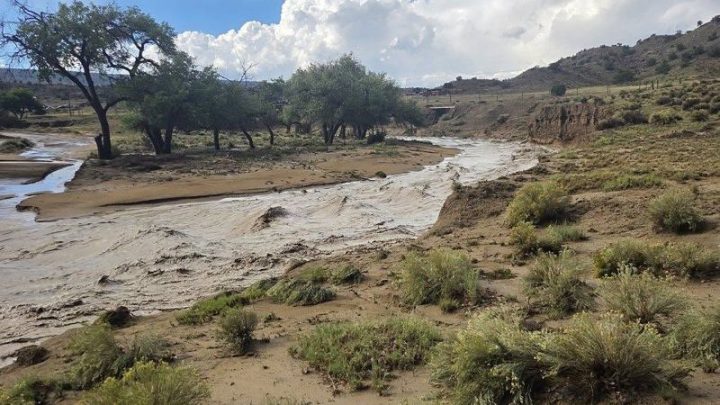
Activelifezero.com – Tropical Storm Moke to dump another round of torrential rain on the Hawaiian islands — barely seven days after Hurricane Lala tore through the archipelago with deadly flooding and mudslides. Forecasters stress that the primary hazard this time is rainfall, not wind, and that the rain is aimed at the same steep, already-saturated slopes that produced catastrophic debris flows last weekend. The National Hurricane Center has issued an explicit warning about the compounded risk:
“Life-threatening flooding and mudslides” can be triggered by far less rainfall than usual because the ground is already saturated.
A flood watch remains in effect across the Big Island through Monday afternoon, giving residents and emergency managers a narrow window to clear drainage, relocate vehicles from low-lying zones, and confirm evacuation routes before the heaviest bands arrive.
Rainfall Totals and Timing
The forecast calls for five to ten inches of rain across the Big Island, with central and eastern slopes potentially receiving up to fifteen inches. Maui is expected to accumulate four to six inches, while the remaining islands face generally one to two inches — though isolated pockets of four inches or more cannot be ruled out.
Timing matters as much as totals. Rainfall intensity is projected to ramp up on the Big Island and Maui by Sunday afternoon, then spread to the outer islands later Sunday night and into Monday. Communities farther from the storm’s path will have less lead time once the heaviest bands reach their shores.
Why Topography Multiplies the Threat
The Hawaiian islands’ dramatic elevation changes act as a natural amplifier for tropical moisture. As the system’s winds push warm, humid air upslope, the air cools, its capacity to hold water vapor drops sharply, and precipitation is wrung out of the atmosphere at rates far exceeding what flat terrain would produce. On slopes already soaked by Lala’s passage, even modest additional rainfall can overwhelm soils, saturate stream channels, and initiate debris flows. Thresholds for dangerous flooding and mudslides are therefore dramatically lowered compared with a dry-season event of identical rainfall totals.
Wind Advisory and Track Details
Although the strongest winds are expected to remain offshore, a wind advisory is in effect for portions of Maui, Molokai, Lanai, Kahoolawe, and the Big Island until 6 p.m. HST Sunday. Gusts of up to 55 mph are possible — enough to down branches, scatter debris, and complicate already-challenged recovery operations from Lala.
Moke is forecast to hold tropical-storm intensity through closest approach and follow a track broadly similar to Lala’s, passing south of the islands but at a considerably greater distance and with weaker circulation. The storm’s center is expected to pass roughly 200 miles south of the Big Island later Sunday, compared with Lala’s center, which sat only about 30 miles offshore when its eyewall brushed the southern coast.
Park Closure and Recovery Context
Hawaii Volcanoes National Park closed on Friday and will remain shut until further notice. Park infrastructure is still reeling from Lala’s passage: power, internet, and telephone lines have not been restored, and many employees remain in recovery from the previous week’s event. Reopening will depend on both the storm’s impact and the pace of utility restoration.
Hurricane Lala struck last week with its eyewall making direct contact along the southern coast of the Big Island, producing deadly flooding, widespread mudslides, and infrastructure damage that left thousands without power and disrupted transportation across multiple islands. Emergency management agencies, utility crews, and federal disaster-response teams have worked around the clock since then. The arrival of a second tropical system compresses that timeline, forcing responders to shift from recovery mode back into preparedness within days.
Frequently Asked Questions
When will the heaviest rain hit the Big Island? Rainfall intensity is projected to peak on the Big Island and Maui by Sunday afternoon, with outer islands affected later Sunday night into Monday. Residents should complete preparations before Sunday afternoon.
How much rain is expected? Five to ten inches across the Big Island, up to fifteen inches on central and eastern slopes, four to six inches on Maui, and generally one to two inches on remaining islands.
Is Hawaii Volcanoes National Park open? No. The park closed Friday and will stay closed until further notice while utilities are restored and staff recover from Lala’s impact.
What should residents do now? Monitor National Weather Service and National Hurricane Center updates, review household emergency plans, move vehicles out of low-lying areas, clear drainage paths, and avoid travel on roads prone to washouts or debris flow given the saturated ground conditions.