Americans could soon pay a lot more for strawberries

Daftar Isi
Strawberry Prices May Spike as Trade Probe Targets Mexican Imports
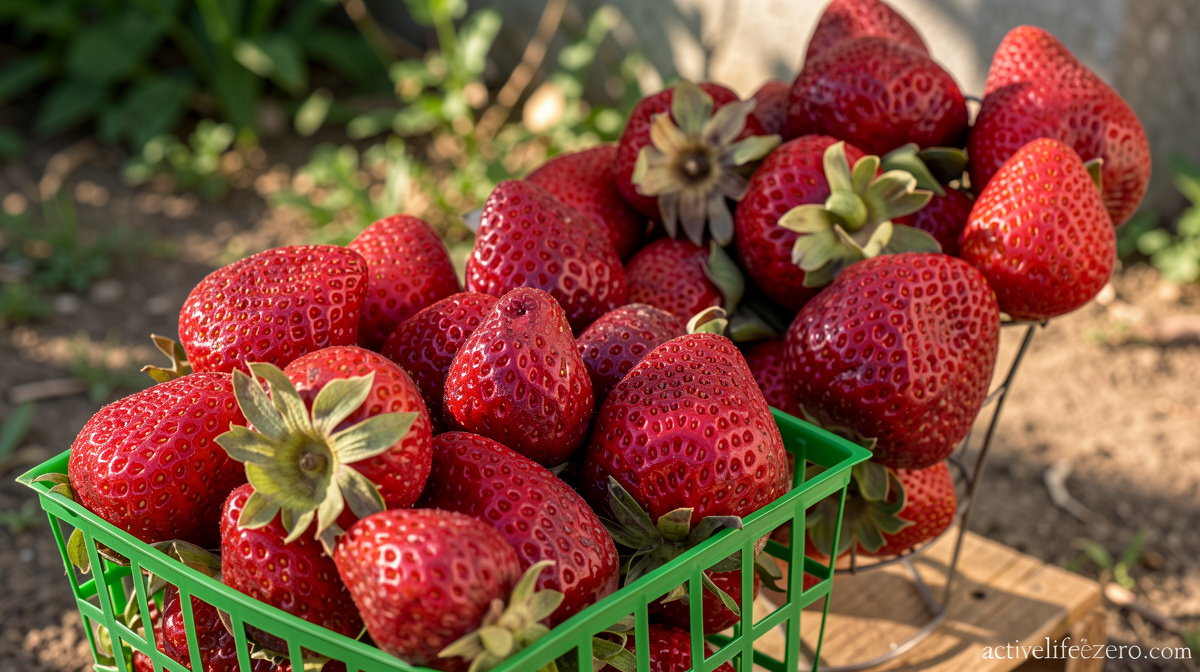
Activelifezero.com – Walk into any American grocery store in January or February and you will find bright-red strawberries sitting beside the produce bins, a small reminder that summer still exists even when the calendar says otherwise. That convenience, however, may be about to cost shoppers considerably more. The Trump administration has opened a formal trade investigation into whether Mexican growers are dumping winter-harvested berries into the American market at prices deemed unfairly low. A finding in that direction would trigger antidumping tariffs on those shipments and, almost certainly, push retail prices upward at a moment when household budgets are already stretched thin by rising fuel costs and the approaching midterm elections.
A Decades-Old Trade Pattern Under Scrutiny
For roughly three decades, Mexican strawberries have flowed into the United States under preferential tariff treatment granted through bilateral and regional free trade agreements. That arrangement kept winter berry prices accessible for American consumers while giving Mexican growers a reliable export market. The current investigation represents a sharp departure from that framework. If tariffs are imposed, the duty-free corridor that has defined US-Mexico strawberry trade since the early 1990s would effectively close, at least for the affected shipments.
The scale of the dependency is striking. Data compiled by the US Department of Agriculture shows that 98 percent of all strawberry imports entering the United States last year originated in Mexico, representing shipments valued at more than $1 billion. Domestic production, concentrated in Florida and a handful of other states, slows dramatically during the winter months, leaving the American supply chain almost entirely dependent on cross-border flows from the north of Mexico.
Who Filed the Case, and Why
The petition driving this investigation was lodged by Strawberry Growers for Fair Trade, a coalition of Florida-based berry producers whose harvest season overlaps precisely with the winter window when Mexican imports flood the market. The group argues that Mexican shipments have expanded at a pace outstripping actual consumer demand for winter strawberries, effectively seizing market share from domestic growers by undercutting them on price.
Daniel Pickard, lead counsel representing the coalition, told reporters that the growers see the pricing dynamic as the core problem. He characterized the expected tariff impact on retail prices as
“relatively modest,”
while emphasizing that the measure would level the competitive playing field for American farmers who face higher labor and compliance costs.
The Tomato Precedent: Tariffs, Weather, and Confounding Factors
Anyone watching this case unfold should keep in mind how quickly trade remedies can become entangled with ordinary supply shocks. Last July, the United States imposed an antidumping duty of roughly 17 percent on most Mexican tomato imports. By the following month, the Consumer Price Index showed tomato prices running 12.8 percent above their year-earlier level. Yet an April report from the US Department of Commerce cautioned against attributing that entire increase to the tariff. Adverse weather in Mexico’s tomato-growing regions and a stretch of freezing temperatures across Florida during the first two months of the year both suppressed supply and pushed prices independently of any trade policy action.
The lesson for strawberries is straightforward: even if tariffs land, the resulting price movement will be difficult to isolate from seasonal weather swings, labor disruptions, or shifts in consumer demand. Analysts and shoppers alike should expect a noisy signal rather than a clean before-and-after comparison.
The Pasta Cautionary Tale
Not every preliminary finding survives intact into final policy. Last year, in a separate antidumping case involving certain Italian pasta imports, the Commerce Department initially proposed additional duties as high as 92 percent. After reviewing supplemental submissions from the pasta manufacturers, the agency ultimately trimmed the rates to below 10 percent. That correction spared American consumers the prospect of dramatically inflated prices — or, in some cases, the outright disappearance of favored Italian brands from supermarket shelves.
The strawberry case could follow a similar arc. A preliminary finding does not lock in a final tariff rate; the number can move, sometimes substantially, between the preliminary and final stages.
What Happens Next
The Commerce Department is expected to publish its preliminary determination in the strawberry matter by August 18. That document would outline the agency’s view on whether dumping occurred and, if so, at what margin. A final determination typically follows several months later, after interested parties submit comments and the agency completes its full economic analysis. Until that final ruling issues, no tariff takes effect, and Mexican strawberries continue to enter the country under existing trade terms.
For consumers, the practical takeaway is one of watchful patience. The investigation is real, the legal authority behind it is genuine, and the potential tariff is non-trivial in size. But the path from a preliminary finding to a shelf-price change is long, contested, and historically prone to revision. Whether the next bowl of winter strawberries costs a few cents more or remains essentially unchanged will depend on how the Commerce Department calibrates its final numbers — and on whether the weather cooperates with either side’s narrative.
Related Reading
Frequently Asked Questions
What is Americans could soon pay a lot more?
Americans could soon pay a lot more is the main topic of this guide. The article explains the context, practical details, and next steps readers should understand.
Why does Americans could soon pay a lot more matter?
Americans could soon pay a lot more matters because readers are looking for a useful answer, not just a short summary. Good content should match search intent and help them decide what to do next.