Six months into the Iran war, Iranian Americans remain divided over what comes next

Six Months Into the Iran War: A Diaspora Divided
Activelifezero.com – Six months into the Iran war, the question echoing through Persian-language diners, community centers, and family group chats across the United States is no longer whether the conflict was justified. It is what, if anything, the sustained U.S. and Israeli military campaign has actually changed on the ground in Tehran — and whether the next phase of Iranian history will be shaped from within or imposed from outside. For one of the Western Hemisphere’s most politically active expatriate populations, the answer remains sharply contested.
Generational Fault Lines and the Question of Intervention
The fractures predate the current conflict by decades. Families who fled after the 1979 revolution carried one set of assumptions about foreign involvement; later waves escaping periodic crackdowns and protest uprisings carried another; those who departed following the January demonstrations arrived with yet another. Each cohort measures the present war against its own memory of repression and arrives at a different verdict on whether outside bombs serve or undermine the cause of domestic change.
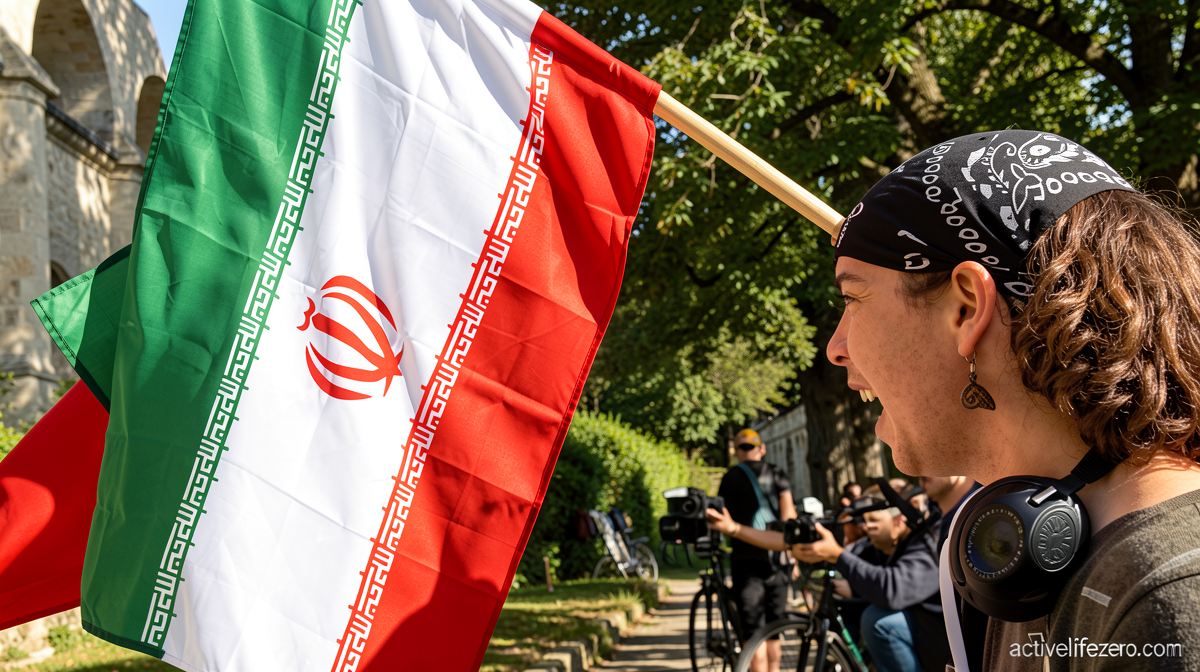
Arezo Rashidian, a longtime monarchist organizer in the Los Angeles area who helped coordinate protest activity aligned with Reza Pahlavi — the exiled son of Iran’s final shah — had publicly argued before the strikes that precision pressure on the Islamic Republic’s infrastructure could create conditions for regime collapse. Six months into the Iran war, her assessment has hardened into something closer to fatigue.
“We really wanted regime change … it’s been six months now, and it didn’t get to that point.”
Contacts still inside the country describe a tightening of the internal security apparatus rather than the loosening activists had hoped for. Conversations about politics — particularly about participation in the January protests — have grown rare as residents weigh surveillance and retaliation risks. Videos circulating online show women publicly reprimanded over alleged hijab violations and shopkeepers subjected to dress-code inspections. Rashidian also relays accounts of arrests, executions, and broader security operations, though independent verification from outside the country remains difficult.
Even so, she continues to advocate intensified economic pressure on Tehran, framing tougher sanctions as a way to “tighten the rope” around the regime’s finances. That stance aligns with steps announced this week by the Trump administration: Treasury Secretary Scott Bessent outlined measures aimed at dismantling the layered network of entities Iran has built to route transactions around existing sanctions. The long-anticipated package dubbed Trump’s “economic D-Day,” however, largely expanded enforcement of sanctions already in place rather than imposing sweeping new restrictions — a decision that left portions of the diaspora feeling the administration had pulled its punch.
Personal Cost and Tehran’s Escalation Threats
For Aria Rostami, a 38-year-old museum professional based in New York who spent his formative years in Southern California’s dense Iranian neighborhood, the war has altered something more intimate than policy: the texture of everyday community life.
“I was really disheartened by the community when they were on the streets cheering the war.”
Rostami grew up hearing Persian on every corner, attending gatherings where shared cultural memory bound neighbors together regardless of political leanings. Before the conflict, proponents of intervention frequently invoked a form of Iranian exceptionalism — the claim that the country’s situation was singular enough to justify outside military involvement. Rostami says he never accepted that premise, and watching neighbors celebrate the strikes made the distance between his own experience and theirs feel newly, painfully concrete.
Meanwhile, Tehran has signaled its intention to match any further escalation with reciprocal pain. Officials have warned of expanded strikes targeting regional oil producers and European states, and have floated the prospect of weaponizing the country’s nuclear program — a step that would mark a dramatic escalation in a conflict already stretching across multiple fronts.
Frequently Asked Questions
What does “six months into the Iran war” refer to? It marks the half-year point since the United States and Israel opened sustained military operations against Iran, a milestone that has prompted widespread reassessment within the Iranian-American diaspora about whether the campaign has achieved its stated objectives.
How are Iranian Americans divided over the conflict? Divisions track generational and experiential lines: earlier exile cohorts tend to view foreign intervention skeptically, while some anti-regime activists initially supported strikes as a path to regime change. Six months in, even supporters report disillusionment as on-the-ground conditions have tightened rather than loosened.
What sanctions measures did the Trump administration announce? Treasury Secretary Scott Bessent outlined steps to dismantle entities Iran uses to route transactions around existing sanctions. The package expanded enforcement of current restrictions rather than imposing sweeping new ones, disappointing observers who had expected broader measures.
What escalation threats has Iran issued? Iranian officials have warned of expanded strikes on regional oil producers and European states and have floated weaponizing the country’s nuclear program, signaling readiness to widen a conflict already spanning multiple fronts.