‘I have done evil’: He spent years working for dictators and killers. Has he changed?

Daftar Isi
The Man Who Polished Tyrants’ Images — and the Morning Everything Collapsed
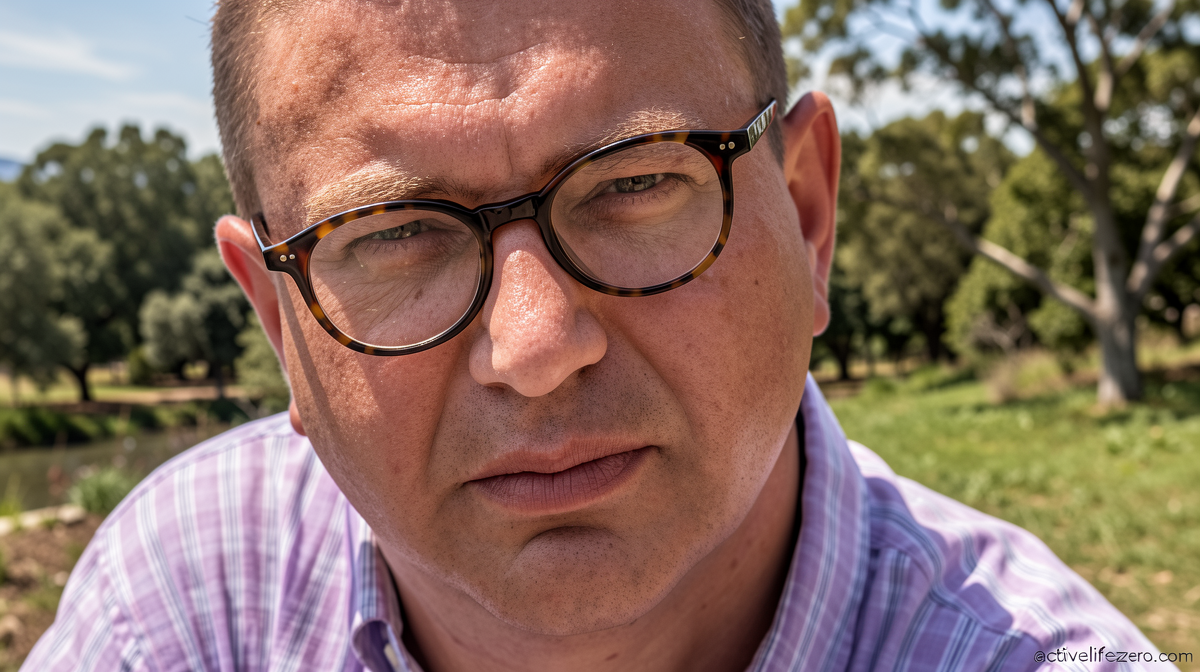
Activelifezero.com – In the early hours of a 2018 morning, agents from the Federal Bureau of Investigation appeared at the front door of Phil Elwood’s home. The knock shattered a carefully constructed existence: years of quiet influence-peddling in the corridors of American power, a career built on making the world’s most feared leaders appear approachable, and a private life balanced on a knife’s edge. Within days, the architecture of that life came tumbling down.
Elwood, now 47, spent more than a decade operating from behind closed doors in Washington, D.C., as a political public-relations operative. His clients were not ordinary politicians. They were the architects of some of the most brutal authoritarian regimes of the modern era — men who sponsored terrorism abroad while silencing their own populations at home. Elwood’s job was singular and uncomfortable: ensure those men were seen in the most favorable light possible by Western audiences, journalists, and policymakers.
A Vegas Errand for a Dictator’s Son
The most vivid episode from his career unfolded in September 2009, aboard a jet bound for Las Vegas. As the aircraft’s doors sealed shut, an email landed in Elwood’s inbox. The sender’s name sat at the top: Mr. Gadhafi. Below it, a scatter of demands — fly his girlfriend from Los Angeles to the Strip, arrange a viewing of Cher at Caesars Palace, secure gambling time, procure Harley-Davidson merchandise and a pair of jean shorts. Elwood had no option but to stay strapped in as the plane lurched into the sky.
For the following days he shadowed Mutassim Gadhafi, the wiry son of Libyan strongman Moammar Gadhafi, through a relentless Vegas binge. Elwood later described the younger Gadhafi as possessing a “Bond-villain quality,” his face sunken, his gaze spine-chilling.
“In all the time I spent with (him), I didn’t see an ounce of goodness,” Elwood recalls. “He was just a harsh, brutal person.”
The assignment was straightforward in purpose if not in execution: keep Mutassim’s name out of the headlines. Weeks earlier, Elwood had talked a U.S. congressman into urging the Obama administration to “Knock off the Libya-bashing” amid a wave of public fury over the early release of a Libyan intelligence officer convicted of the 1988 bombing of Pan Am Flight 103 over Lockerbie, Scotland — a disaster that killed all 259 people aboard.
Softening the Blow of Regimes That Killed
The Gadhafi episode was only one thread in a longer tapestry. Elwood also represented the Assad family in Syria during the years when Bashar al-Assad’s government waged a violent campaign against pro-democracy protesters. The crackdown began mere days after Elwood secured the Assads a flattering profile in Vogue magazine — a timing that would later become a point of bitter irony.
He helped minimize negative press for a Libyan regime responsible for thousands of deaths. He worked to soften Western outrage over the Lockerbie bombing and the fate of its accused perpetrator. All of this was done while those very clients were sponsoring terror abroad and crushing dissent at home.
“I have done evil,” Elwood says now. “I definitely think that I helped make the world a more dangerous place.”
For years, most of the world never learned his name. He says he understood his work was morally wrong, yet continued nonetheless, drawn by what he calls the “allure” of proximity to power.
“Some of my clients were just evil. They didn’t really have to cross a line to do evil things — they just started off that way,” he explains. “I had to cross a line.”
“I absolutely knew what I was doing was wrong. And the allure of that was pretty amazing.”
The Aftermath Still Ripples
Though most of Elwood’s unsavory work was completed more than a decade ago, its reverberations have not faded. This month, a Syrian court sentenced former president Bashar al-Assad to death in absentia for war crimes. Separately, an accused Libyan terrorist faces trial in Washington over his alleged role in the Lockerbie bombing. The regimes that once employed Elwood gave rise to a decade of violence and instability across the Middle East, aftershocks of which continue to shape geopolitics. His cynical dealings in Washington also foreshadowed a broader toxification of American political discourse that now runs rampant.
A Different Person? The Question That Won’t Settle
Elwood insists he has changed. These days he works for what he describes as “better people,” including the family of a former U.S. Marine missing in Syria — a servicemember the American government believes was kidnapped by the Assads, Elwood’s former clients. He laughs broadly during conversations, though at times his voice tightens when pressed to reckon with the consequences of his earlier choices.
“I think I’m a different person,” he says.
Yet one question lingers over his story like a low cloud: should the public accept that transformation at face value? His life remains a cautionary study in how dictatorships cultivate Western legitimacy, how shadow operatives exploit the gap between public image and private atrocity, and how the machinery of influence can normalize complicity with men who kill their own citizens. The doors of that Vegas-bound plane closed long ago, but the flight, for Elwood, has only just begun its final descent.
Related Reading
Frequently Asked Questions
What is I have done evil?
I have done evil is the main topic of this guide. The article explains the context, practical details, and next steps readers should understand.
Why does I have done evil matter?
I have done evil matters because readers are looking for a useful answer, not just a short summary. Good content should match search intent and help them decide what to do next.