Queen Camilla says it was ‘difficult’ to keep King’s cancer diagnosis secret

Daftar Isi
A Wife’s Silence: Queen Camilla Opens Up About Guarding the King’s Cancer Secret
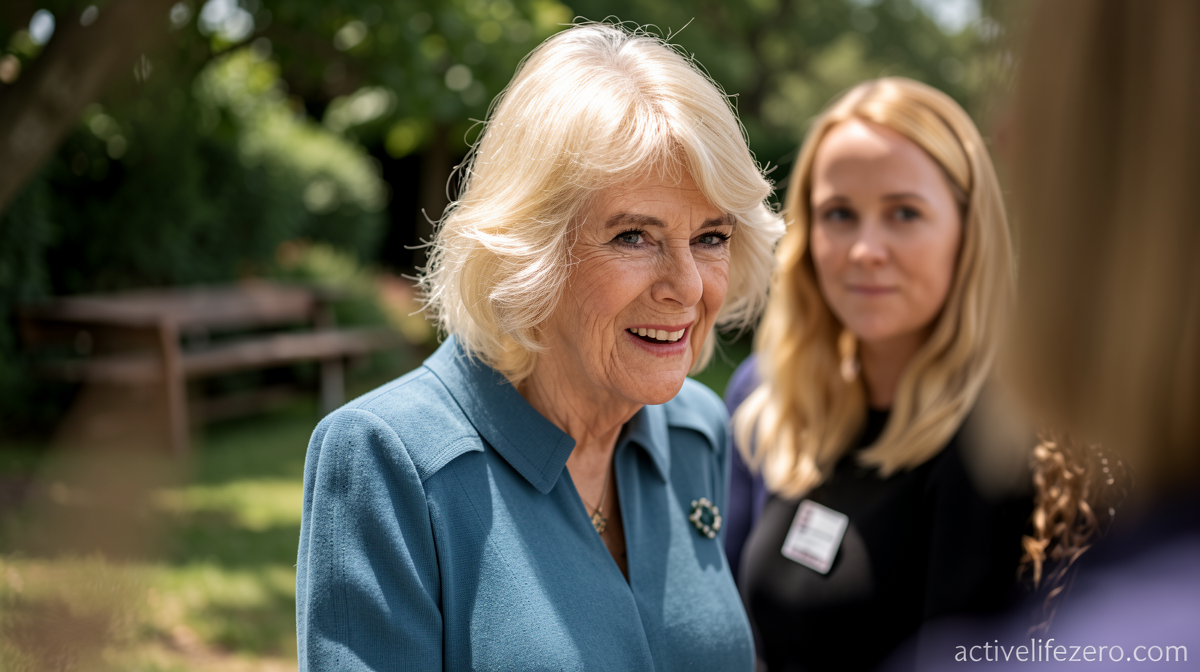
Activelifezero.com – In one of the most candid personal disclosures from the British royal family in recent memory, Queen Camilla described the emotional toll of concealing her husband’s cancer diagnosis while carrying out public duties alongside him. Speaking in a newly released short film marking the 30th anniversary of the Maggie’s cancer support charity, the Queen detailed how she fought the urge to reveal the truth during a visit to a Maggie’s center just days before the announcement became public knowledge.
The Visit That Had to Stay Quiet
The episode in question unfolded in late January 2024. On January 31, Camilla attended the opening of a newly established Maggie’s center at the Royal Free Hospital in London. At that moment, King Charles III had already received his cancer diagnosis following a prostate procedure, yet the royal household had not yet made the information public. The official announcement would not arrive until February 5 — a gap of roughly five days during which the Queen, as president of the charity, was expected to appear composed and untroubled in front of patients, staff, and cameras.
Camilla recalled the pressure of that interval with striking directness:
“I remember coming to see a Maggie’s just after the King being diagnosed. Nobody could say anything at the time. That was quite difficult.”
She went further, admitting she nearly broke the silence on the spot:
“I almost said something but, you know, I felt that it wasn’t the time to say. I was just longing to let it out but obviously I couldn’t.”
Why the Timing Mattered
The five-day window between diagnosis and disclosure was not arbitrary. Royal medical announcements are typically coordinated with the patient’s medical team, the Palace communications office, and sometimes the patient himself, to ensure the message is delivered on his terms and at a moment when he is stable enough to face the public. For Camilla, that meant walking into a space filled with people battling the very illness her husband had just been told he carried, while internally wrestling with the need to say nothing. The emotional dissonance of that scenario — a wife suppressing grief and fear in front of strangers facing their own — is what made the experience, in her words, “quite difficult.”
Charles’s Resolve and Return to Duty
Camilla used the film to underscore how her husband approached the diagnosis not as a reason to step back but as a challenge to be met head-on. She described him as her “poor husband” who nonetheless pressed forward with every royal obligation:
“Nothing stopped him. He just said ‘This is my way. I’m going to cope with it.'”
Charles, now 77, resumed public-facing royal engagements in April 2024, roughly two months after the initial announcement. In a rare medical update issued in December of last year, he confirmed that he had responded well to treatment, though the specific form of cancer remains undisclosed. He continues to receive ongoing treatment as of the latest available information.
Maggie’s: Three Decades of Cancer Support
The film was produced to coincide with the 30th anniversary of Maggie’s, a UK-based charity that operates 27 cancer support centers across the country. Each year the organization provides practical, emotional, and social support to hundreds of thousands of people affected by cancer — patients, caregivers, and family members alike. The centers offer everything from hot meals and quiet rooms to peer-support groups and counseling, filling a gap that hospital wards and outpatient clinics rarely address.
Camilla has served as president of the charity for many years, making her presence at the Royal Free center opening both a ceremonial duty and a deeply personal one. Laura Lee, the charity’s chief executive, was filmed in conversation with the Queen for the documentary and later issued a statement reflecting on the encounter:
“To hear her speak so powerfully of her own emotions when visiting our Royal Free center, while knowing about His Majesty’s diagnosis, is a huge honor.”
Lee went on to frame the Queen’s candor within a wider message about family support:
“The King’s openness about his diagnosis has undoubtedly helped others to be more open themselves and to now hear the Queen’s completely understandable and natural response as a wife shines a light on why it is so important that family and friends also get the support they need.”
A Broader Shift in Royal Transparency
The episode sits within a broader pattern of increasing medical transparency from the British monarchy. Previous generations of royals kept illness details tightly sealed; the current household has chosen, in several instances, to share diagnostic information with the public. That choice carries practical consequences: it normalizes conversations about cancer in households where stigma or fear might otherwise silence them, and it signals to patients and their families that no diagnosis — however senior the patient — demands permanent concealment.
For the hundreds of thousands of people who walk through Maggie’s doors each year, the Queen’s willingness to name her own fear and longing to speak may carry as much weight as any institutional message. It validates the experience of spouses, parents, and siblings who must navigate a loved one’s illness while maintaining composure in public, at work, and in front of the very institutions designed to help them. In that sense, the short film is not merely a charity anniversary piece; it is a small but pointed acknowledgment that the people beside the patient deserve visibility, support, and permission to feel what they feel.
Related Reading
Frequently Asked Questions
What is Queen Camilla says it was difficult?
Queen Camilla says it was difficult is the main topic of this guide. The article explains the context, practical details, and next steps readers should understand.
Why does Queen Camilla says it was difficult matter?
Queen Camilla says it was difficult matters because readers are looking for a useful answer, not just a short summary. Good content should match search intent and help them decide what to do next.