NYC Mayor Mamdani releases 9/11 records showing officials misled New Yorkers about air quality around Ground Zero

Daftar Isi
25 Years After Ground Zero: NYC Unseals 170,000 Pages Showing Officials Knew the Air Was Toxic
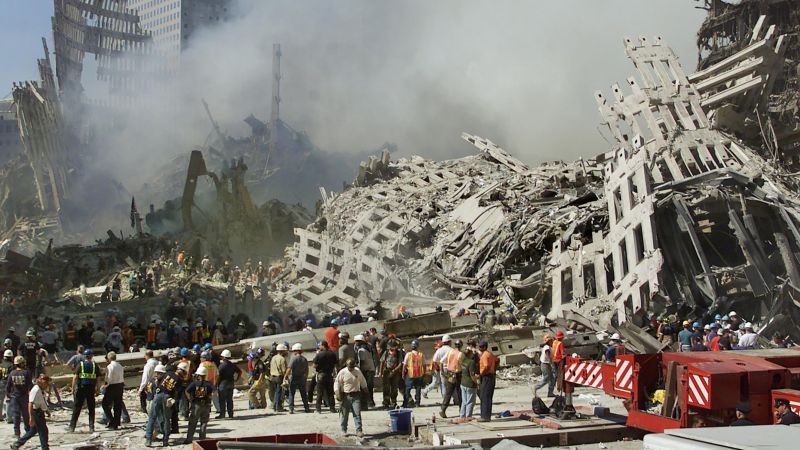
Activelifezero.com – On the eve of the 25th anniversary of the September 11, 2001, terrorist attacks, New York City opened its files on what happened in the air above Lower Manhattan in the weeks and months after the World Trade Center collapsed. Mayor Zohran Mamdani announced the disclosure at a Tuesday news conference, unveiling more than 170,000 pages of previously hidden documents that, taken together, paint a picture of municipal leaders who understood the breathing hazards at Ground Zero while publicly telling residents the air was safe.
The timing is deliberate. Friday marks a quarter century since the twin towers fell, and the city chose that window to release material that had sat untouched in storage. The documents were found last year among 68 boxes kept in a city government office, and officials confirmed they are being made public ahead of the anniversary observances.
What the Records Reveal
The archive is not limited to raw air-quality readings taken at the recovery site. It also contains internal memoranda, correspondence, and planning documents that expose the gap between what city leadership understood internally and what it communicated outward. Among the most consequential items is what has come to be called the “Harding Memo,” addressed to then-Deputy Mayor Robert Harding. That memo laid out the city’s anticipation of thousands of potential lawsuits stemming from 9/11 air exposure, acknowledged the absence of adequate protective equipment for workers and volunteers at the site, and sketched legislative alternatives designed to cap the municipality’s legal exposure.
In other words, the paperwork shows that decision-makers were already calculating liability and crafting legal shields while the public was being told the dust and particulate matter were within acceptable limits.
“People got sick because the leaders they trusted lied and told them they were safe to breathe in toxic air,” Mamdani said.
A Personal Toll That Outpaces the Original Death Toll
Nearly 3,000 people lost their lives on September 11, 2001. Yet the long-term health consequences of that day have claimed far more lives in the years since. First responders, construction workers, volunteers, and nearby residents who spent weeks or months inhaling the contaminated air at and around the recovery site have gone on to develop cancers and other illnesses linked to the exposure. The cumulative death toll from those downstream conditions now exceeds the number killed on the day of the attacks themselves.
“As the years pass and the human toll grows, we reckon with the cost of September 11th whenever another New Yorker is stolen from us too soon,” Mamdani said. “Now, close to 25 years later, more people have died from 9/11-related illnesses than were killed on the day itself.”
Advocacy and the Road to Disclosure
The release did not arrive on its own. For years, survivors, first responders, and family members have pressed the city for full transparency about what was measured, what was known, and what decisions were made in the aftermath. The advocacy organization 9/11 Health Watch took the matter to court, filing suit to compel the city to turn over the records. The group’s legal pressure is widely understood to have accelerated the eventual disclosure.
Mamdani appeared at the Tuesday event alongside members of 9/11 families and Jon Stewart, who has spent years championing greater openness and expanded resources for first responders and survivors. Stewart spoke about the pervasive nature of the contamination that persisted long after the initial collapse.
“There was poison in the air, and on the ground, and in the window sills, and in your air conditioners and covering your pets and your clothes, and it stayed there for months. Everyone knew. Now it’s very clear that the city knew as well,” Stewart said.
How the Public Can Access the Documents
The city has built a searchable online portal through which every published document can be viewed and downloaded at no charge. Officials indicated that additional material will be added on a rolling basis over the coming months as the remaining boxes are processed, indexed, and made available. The portal is designed so that researchers, journalists, family members, and ordinary New Yorkers can locate specific memos, readings, or correspondence without needing to visit an archive in person.
The disclosure is expected to sharpen public understanding of how the municipal government managed the immediate aftermath of the towers’ collapse — a period in which officials raced to restabilize Lower Manhattan, reopen streets, and coordinate a recovery effort of unprecedented scale while simultaneously navigating questions about worker safety, public health communication, and legal risk.
Why This Matters Now
For a generation of New Yorkers who grew up near Lower Manhattan, the question of what was in the air after September 11 has never fully closed. Children who played in the neighborhood, residents who kept windows open, and workers who returned to the site without adequate respiratory protection have carried uncertainty for two and a half decades. The documents now in the public domain do not resolve every individual health question, but they do answer a broader institutional one: what did the city know, when did it know it, and what did it choose to say?
As the anniversary approaches, the release reframes the conversation from remembrance alone to accountability. The city’s decision to open these files — even if prompted by litigation and sustained public pressure — acknowledges that the story of September 11 is not finished. It extends well past the morning of that Tuesday in 2001 and into every subsequent diagnosis, every family loss, and every unanswered question about the air that filled Lower Manhattan for months after the towers fell.
Related Reading
Frequently Asked Questions
What is NYC Mayor Mamdani releases 9 11 records?
NYC Mayor Mamdani releases 9 11 records is the main topic of this guide. The article explains the context, practical details, and next steps readers should understand.
Why does NYC Mayor Mamdani releases 9 11 records matter?
NYC Mayor Mamdani releases 9 11 records matters because readers are looking for a useful answer, not just a short summary. Good content should match search intent and help them decide what to do next.