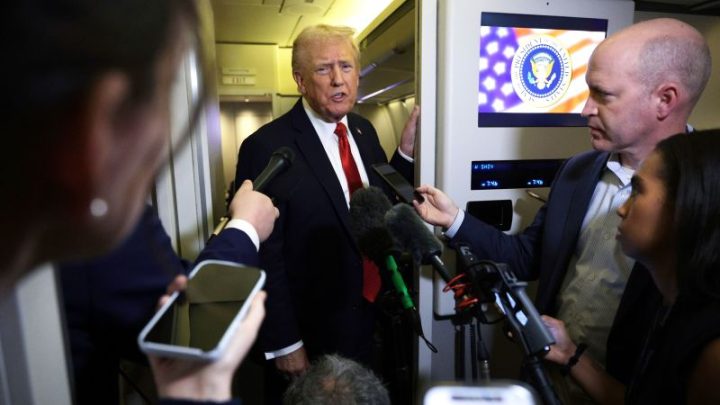
Epstein judge: ‘The public has a right to know what the hell is going on’

Daftar Isi
DC Judge Warns Justice Department: Contempt Could End Careers
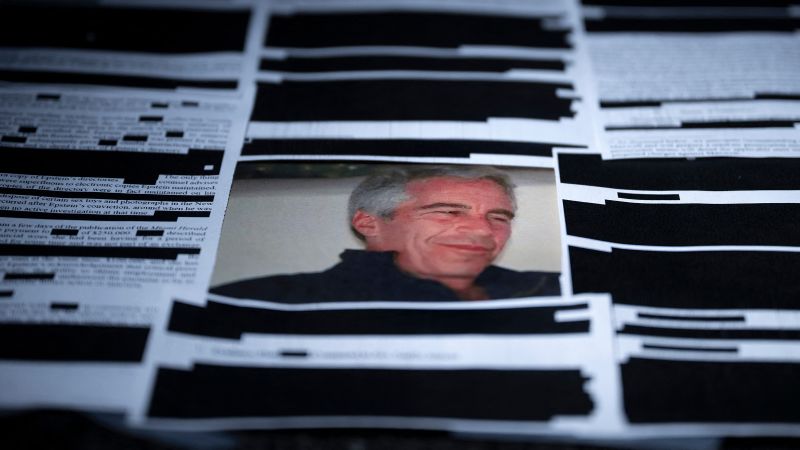
Activelifezero.com – A federal judge in Washington delivered a stark message to Department of Justice attorneys resisting the disclosure of Jeffrey Epstein-related materials. Judge Emmet Sullivan cautioned that failure to follow judicial directives might trigger contempt actions capable of derailing legal professionals’ careers. The magistrate has been pressing federal prosecutors for explanations regarding withheld investigation records connected to the deceased financier and sex offender.
During Thursday’s proceedings, Sullivan expressed dissatisfaction with responses provided both in written form and orally before the bench. He referenced a notorious legal failure involving a sitting senator to illustrate the consequences of governmental opacity. “The public has a right to know what the hell is going on in this case. The victims have a right to know. The court has a right to know,” the judge declared while examining a DOJ representative’s ability to supply additional information.
The litigation, initiated by reporter Katie Phang, aims to compel disclosure of FBI files concerning Epstein and reduce redactions applied to names appearing in correspondence with the accused. Sullivan raised concerns about handwritten interview notes captured by federal agents years earlier that remain absent from millions of pages already made available. He also questioned the non-disclosure of Epstein documents written in languages other than English and the absence of a timeline for publishing redaction justifications in the Federal Register—a congressional mandate.
A History Lesson from the Bench
The hearing took an unexpected direction when Sullivan provided his legal team with a retrospective on one of the Justice Department’s most embarrassing chapters—a matter he oversaw almost twenty years prior. Speaking spontaneously to an attentive courtroom, the judge recounted for approximately thirty minutes how he placed federal prosecutors in civil contempt during criminal proceedings against Ted Stevens, a Republican senator from Alaska.
Prosecutors failed to maintain transparency, and a whistleblower revealed misconduct to the presiding judge. The severity of that situation influenced Sullivan’s methodology toward government attorneys, the DC District Court, and the Justice Department ever since. Stevens received a corruption conviction in 2008 but subsequently lost his re-election campaign. However, the guilty verdict was later vacated after Sullivan determined that the Justice Department concealed critical documents from Stevens’ defense team before trial commenced. Stevens perished in an aviation accident in 2010.
“I told the attorneys I had no choice; I was holding each one of them in contempt,” Sullivan informed the three Justice Department lawyers seated at counsel’s table on Thursday. “I had no choice … how else was I going to ensure that justice was administered?”
What Contempt Means for Lawyers
Sullivan noted that previously he had been prepared to impose sanctions on Justice Department attorneys and forward them to bar disciplinary bodies when he felt they neglected his directives. He emphasized that a contempt designation could damage legal professionals for the duration of their careers. “That’s not a threat. It’s a promise. No one’s in trouble. I’m just bringing it to your attention,” the judge clarified. He repeated multiple times that the attorneys involved in Phang’s matter were “not in trouble.” “I’m just putting everyone on the same page,” Sullivan explained. “I’m just having a conversation.”
When Sullivan opened the courtroom for responses from participating lawyers, silence followed. No one rose to speak.
Victim Privacy Remains a Priority
Andrew Block, a DOJ attorney, told Sullivan on Thursday that he had nothing further to add. A Justice Department representative provided CNN with a statement on Friday addressing the situation. “The Department remains committed to protecting the privacy of victims and continues to welcome engagement from victims and their counsel. As demonstrated to the court, many emails that have drawn public scrutiny and remain redacted were sent by women who identify as victims. The Plaintiff in this case seeks to unmask those victim names, but doing so would violate a binding court order in SDNY.”
The tension between transparency and privacy protection continues to define the Epstein document litigation. Sullivan’s warning underscores the importance of compliance while acknowledging that the Justice Department faces competing obligations. The judge’s reference to the Stevens case serves as both precedent and reminder that governmental accountability requires more than good intentions—it demands action.
As the case progresses, all parties must navigate the complex landscape of victim rights, public interest, and legal procedure. Sullivan’s measured but firm approach suggests he will continue to press for answers while giving the Justice Department reasonable opportunity to respond appropriately.
Related Reading
Frequently Asked Questions
What is Epstein judge?
Epstein judge is the main topic of this guide. The article explains the context, practical details, and next steps readers should understand.
Why does Epstein judge matter?
Epstein judge matters because readers are looking for a useful answer, not just a short summary. Good content should match search intent and help them decide what to do next.