Democratic senators demand review of conditions on the USS Abraham Lincoln, other US warships participating in Iran blockade

Senate Democrats Demand Warship Conditions Review
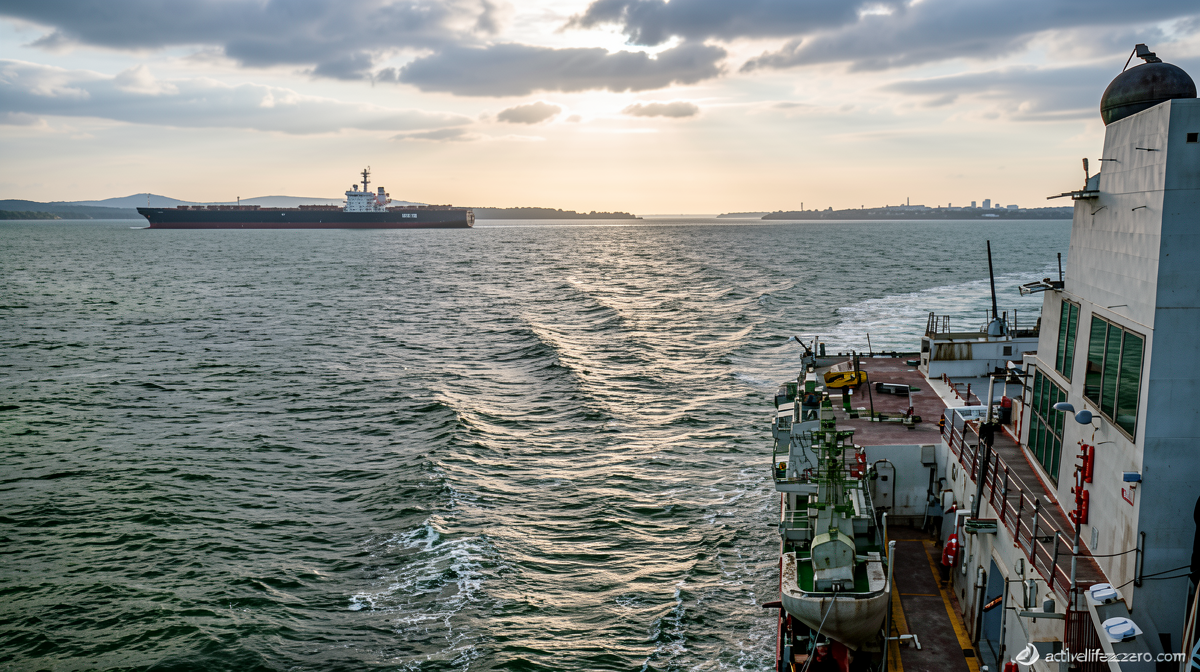
Activelifezero.com – Democratic senators demand review of conditions aboard three Navy vessels locked into the ongoing Iran blockade, arguing that months of continuous operations have pushed crews past sustainable limits. The formal request, delivered Monday to the top of the Pentagon, asks for an outside, independent examination of shipboard life aboard the aircraft carriers USS Abraham Lincoln and USS Gerald R. Ford and the destroyer USS Benfold.
The Legislative Push
The letter was authored by Patty Murray of Washington, vice chair of the Senate Appropriations Committee, and Chris Coons of Delaware, ranking Democrat on the committee’s defense subcommittee. It was addressed to Defense Secretary Pete Hegseth and acting Navy Secretary Hung Cao. Because the Appropriations Committee controls the federal budget, its members hold disproportionate leverage over how military dollars are spent — a fact that elevates this inquiry from routine complaint to budgetary oversight.
The lawmakers asked for what they called “an immediate independent strategic review” covering readiness, manning levels, mental-health support, shipboard culture, and family-communication channels across the three named vessels. They also requested that the Navy produce concrete plans to prevent recurrence of the specific failures already documented.
Ship-by-Ship Breakdown
The Benfold’s ordeal drew particular scrutiny. Last month the destroyer lost all electrical power for four consecutive days in the South China Sea after an engineering failure, stripping the ship of propulsion, sensors, and basic habitability systems. Function was eventually restored, but the episode highlighted how compressed maintenance windows under continuous mission tempo can render extended-at-sea operations dangerously fragile.
The Ford, which recently concluded what amounted to a record-length deployment, suffered a major fire originating in its laundry department. Crews spent roughly 30 hours bringing the blaze under control, and approximately 600 sailors were temporarily displaced from their bunks. The deployment also included combat missions directed against both Venezuela and Iran, stretching the carrier’s operational envelope well beyond typical tasking.
The Lincoln’s situation, less dramatic in single-event terms, has drawn sustained attention to cumulative hardship. Earlier this month, reports surfaced of mail-system disruptions and intermittent shortages of hygiene products and fresh food. The carrier is now transiting home to San Diego to conclude a deployment that has offered sailors virtually no shore leave since a brief stopover in Guam in December 2025.
A Structural Trend, Not an Anomaly
The letter frames these incidents as symptoms of a broader pattern: extended deployments exceeding the Navy’s own internal target of seven months have become increasingly routine. The median duration of U.S.-based carrier deployments has climbed steadily since 2020, driven by fleet-size constraints, simultaneous theater commitments, and a shipbuilding pipeline that has not yet delivered enough hulls to absorb the workload. When a carrier remains at sea well beyond its planned interval, watch-duty fatigue compounds, maintenance backlogs grow, and the psychological strain of prolonged separation from family accumulates.
The senators asked that any authorized review produce actionable recommendations “to improve future extended deployments for sailors and Marines,” closing the loop between oversight and operational change.
Navy Response and Political Context
Acting Navy Secretary Hung Cao addressed the Lincoln’s deployment in a public statement on August 14, praising the crew’s endurance while acknowledging the severity of the conditions. He stated: “Our young men and women have been pushed to their limits — but they have never broken.” The statement stopped short of committing to an independent probe, leaving the senators’ request pending as of publication.
Frequently Asked Questions
What exactly are the senators asking for? An independent, outside review of shipboard conditions — including readiness, manning, mental-health support, and family communications — aboard the USS Abraham Lincoln, USS Gerald R. Ford, and USS Benfold, plus concrete Navy plans to prevent recurrence of documented failures.
Why does the Appropriations Committee have jurisdiction? The committee drafts the federal budget, giving its members direct leverage over how defense funds are allocated. A conditions inquiry framed through budgetary oversight carries more institutional weight than a routine operational complaint.
What happened to the USS Benfold? The destroyer lost all electrical power for four consecutive days in the South China Sea following an engineering failure. Propulsion, sensor suites, and habitability systems were offline until function was restored.
How long has the Lincoln been deployed? The carrier has been at sea since at least December 2025, with virtually no shore leave beyond a brief Guam stopover. It is now transiting home to San Diego to conclude the deployment.
What is the Navy’s stated deployment target? Seven months. The senators’ letter notes that deployments exceeding this benchmark have become increasingly routine since 2020, driven by fleet-size limits and simultaneous theater commitments.