
After Supreme Court’s TPS decision, more than a million immigrants face scramble to stay in US
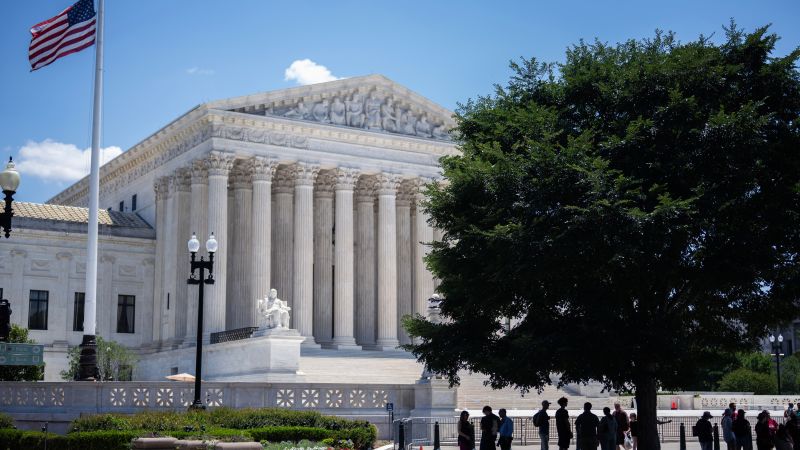
Supreme Court’s TPS Decision Sparks Uncertainty for Millions of Immigrants
After Supreme Court s TPS decision – The Supreme Court’s recent ruling has sent ripples through the immigrant community, leaving over a million individuals in a state of flux. Among them, Haitians and Syrians—two groups who had relied on Temporary Protected Status (TPS) for years—now face the possibility of being deported. Work permits, which had allowed them to legally work and reside in the United States, are set to expire, plunging them into a legal limbo that could last months or even years. The decision, while seemingly focused on a narrow group, carries broader implications, potentially reshaping the lives of hundreds of thousands of immigrants from other countries.
A Shift in Deportation Policy
The court’s 6-3 ruling affirmed the Department of Homeland Security’s (DHS) authority to decide the duration of TPS designations without judicial oversight. This marks a significant win for the Trump administration, which had long advocated for mass deportations. By validating DHS’s power, the decision empowers the agency to revoke protections for immigrants from 13 of the 17 countries currently under TPS, including Haiti and Syria. While the immediate focus was on the approximately 350,000 Haitians and 6,000 Syrians, the ruling could apply to others, creating a cascading effect across communities.
“This decision represents a major shift in how we view immigration protections,” remarked Ahilan Arulanantham, a law professor at UCLA School of Law, who argued the Syrian TPS case before the Supreme Court. “It would be the largest dedocumentization event in US history, leaving countless families vulnerable to removal.”
The Human Impact of TPS Revocation
TPS, established to provide temporary relief for nationals from countries facing crises, has been a lifeline for many. For Haitians, this status originated after the 2010 earthquake, which devastated the nation and disrupted its ability to support returning residents. The program has been extended multiple times, most recently following the assassination of President Jovenel Moïse in 2021, which plunged Haiti into political chaos and gang-controlled instability. Despite these extensions, the Trump administration has now terminated the program, citing its temporary nature and the prolonged displacement of Haitians.
For Syrians, the TPS designation was granted in response to the ongoing conflict that has ravaged their country for over a decade. The program allowed them to work and live in the US without fear of deportation, but the Supreme Court’s decision removes this safeguard. The ruling means that individuals who have been in the US for years could be forced to leave, with their work permits expiring and their deportation protections suspended. This abrupt change leaves families scrambling to secure their futures, with many uncertain about how to navigate the new legal landscape.
Broader Implications for Immigration Policy
The TPS decision is part of a larger pattern of the Supreme Court’s support for the Trump administration’s immigration agenda. In a separate ruling on Thursday, the court also upheld the administration’s plan to resume a policy that allows it to deny entry to migrants at the southern border. Together, these rulings provide the government with greater flexibility to implement deportation-focused policies. The legal framework now enables the Department of Homeland Security to act with fewer constraints, potentially accelerating the removal of immigrants from countries with TPS designations.
James Percival, the Department of Homeland Security’s General Counsel, welcomed the decisions, stating, “Thanks to these rulings, we now have additional tools to strengthen our borders and ensure compliance with immigration laws.” This sentiment underscores the administration’s goal to streamline removal processes and reduce the number of immigrants granted extended stays. While the TPS decision may not have the same immediate visibility as border policies, its effects are likely to be felt more swiftly, as many TPS holders are already in the workforce and contribute to local economies.
The Pending Birthright Citizenship Case
Although the TPS decision and the southern border policy are major victories for the Trump administration, another critical case remains pending. The Supreme Court is set to rule soon on an executive order that seeks to redefine birthright citizenship, a provision that has granted automatic US citizenship to children born to non-citizen parents. This policy, which has been in place for over a century, is now under threat, with the potential to alter the legal status of hundreds of thousands of children.
Immigrants who arrived in the US before 2010—many of whom have raised families here—could see their children’s citizenship status challenged. The outcome of this case would determine whether the US continues to uphold the principle of birthright citizenship or shifts toward a stricter interpretation. This decision, if passed, could have long-term consequences for the future of immigration and the rights of children born to undocumented parents.
Context and Challenges for Haitian Immigrants
Haiti’s situation has been a focal point of the TPS debate, as the country has endured decades of turmoil. The 2010 earthquake, which claimed over 200,000 lives, was the initial catalyst for the TPS designation. However, the program has been extended repeatedly due to ongoing crises, including political instability, violence, and economic hardship. Since the 2021 assassination of President Moïse, Haiti has faced significant challenges, with many residents unable to return home due to the power vacuum left by the murder.
The Trump administration argued that TPS holders have overstayed their welcome, extending their presence in the US far beyond the intended temporary period. This claim has sparked controversy, with critics highlighting the long-term contributions of Haitian immigrants to American society. The termination of TPS for Haiti, however, has raised concerns about the abruptness of the change and the lack of a clear timeline for deportation. Many Haitians fear that the decision will force them to leave their homes, families, and livelihoods behind.
Future of TPS and Immigration Policy
The Supreme Court’s decision has not only affected the immediate status of TPS holders but also set a precedent for future immigration policies. By affirming DHS’s broad discretion, the ruling opens the door for the administration—and its successors—to revoke protections for other countries as well. This flexibility could lead to a wave of deportations, particularly in countries with unstable conditions or ongoing conflicts.
While the effects of the TPS decision may be more immediate, the pending birthright citizenship case could have even broader consequences. If the court rules in favor of the administration, it would reshape the legal framework for citizenship, impacting future generations of immigrants. The combined effect of these decisions could redefine the US immigration system, prioritizing efficiency and border security over long-term integration of immigrant communities.
For now, the focus remains on the practical implications of the TPS termination. Immigrants from Haiti and Syria must navigate the new rules, with some facing deportation as soon as their work permits expire. Others may qualify for alternative programs, but the window for eligibility is narrowing. The decision has left many in a state of uncertainty, as they work to secure their status or prepare for the possibility of being sent back to their home countries.
In the wake of these rulings, advocates for immigrants have expressed concern about the lack of due process and the potential for mass removal. They argue that the termination of TPS for Haiti and Syria demonstrates a pattern of prioritizing political goals over humanitarian considerations. As the legal battles continue, the immigrant community remains on high alert, with many preparing for the next phase of the Trump administration’s deportation strategy and the broader implications for US immigration policy.
