
Papyrus scroll burnt to a crisp during Vesuvius eruption deciphered with help of AI
Vesuvius Eruption Papyrus Scroll Deciphered by AI
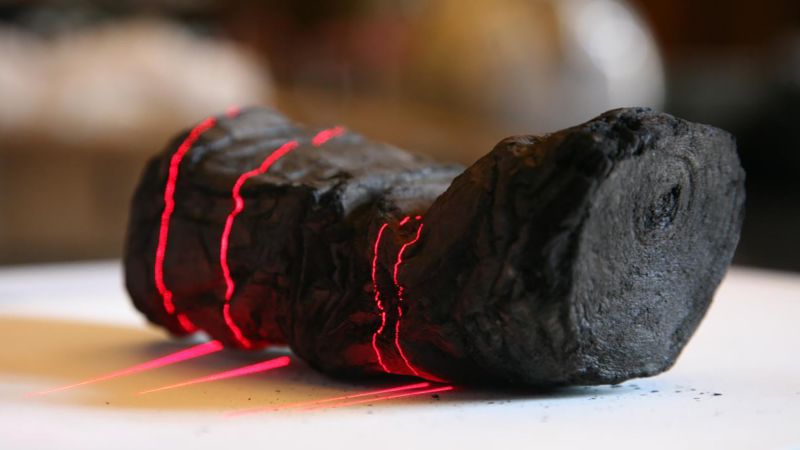
Papyrus scroll burnt to a crisp – A groundbreaking discovery has emerged from the ancient ruins of Herculaneum, where a papyrus scroll, charred by the volcanic eruption of Mount Vesuvius in 79 AD, was successfully decoded using artificial intelligence. The scroll, labeled PHerc. 1667, had been deemed nearly indecipherable for centuries due to its tightly coiled and fragile state. Now, through advanced imaging and AI-driven analysis, researchers have unlocked its contents, offering a rare glimpse into the intellectual world of classical antiquity. This achievement highlights how modern technology can revive lost knowledge, transforming the study of ancient texts into a more precise and non-invasive process.
Preservation and Challenges of the Herculaneum Scrolls
Discovered in the 18th century by an Italian farmer, the Herculaneum scrolls were preserved under layers of volcanic ash and mud, offering one of the most intact libraries from the ancient Roman era. These scrolls, believed to have originated from a villa connected to Julius Caesar’s father-in-law, date back over two millennia and are crucial to understanding the philosophical and literary traditions of the time. However, the eruption had left them in a severely damaged state, with some carbonized beyond recognition. Traditional methods of unrolling often led to further deterioration, making the task of deciphering them both time-consuming and risky.
The Vesuvius Challenge, a collaborative research initiative, has been pivotal in addressing these challenges. By integrating cutting-edge imaging techniques with AI algorithms, the project has pioneered a new approach to ancient manuscript analysis. This method allows scholars to virtually flatten and examine the scrolls without physical contact, preserving their integrity while unlocking their secrets. The breakthrough not only aids in studying PHerc. 1667 but also sets a precedent for examining other similarly damaged texts in the Herculaneum collection.
AI’s Role in Reviving Ancient Texts
The team employed CT scans to create detailed 3D models of the scrolls, revealing their layered structure and hidden text. Advanced algorithms then processed these scans, simulating the manual unrolling process used by papyrologists. This technique has enabled researchers to interpret previously unreadable sections, shedding light on the philosophical ideas preserved within. Federica Nicolardi, a leading expert in the field, noted that the AI-assisted deciphering has transformed the scroll from an enigma into a coherent source of historical insight.
The translated content of PHerc. 1667 appears to delve into themes of ethics, human behavior, and the arts, with clear Stoic influences. The AI identified key terms like “horme” (impulse) and “phronesis” (practical wisdom), which the author associates with the pursuit of virtuous living. The team also uncovered a reference to “Philodemus, On Gods, Book 8,” confirming the Greek philosopher’s authorship of a series of works. This discovery underscores the potential of AI to uncover new layers of meaning in ancient texts, connecting them to broader historical contexts.
“After years of innovation and interdisciplinary collaboration, we have finally unlocked the message of this ancient papyrus,” said Brent Seales, a professor involved in the project. “This represents a major leap in how we study and interpret historical artifacts.”
Impact on Ancient Text Analysis
The success of this project has redefined the field of papyrology, demonstrating the power of AI to analyze fragile documents. By avoiding physical handling, researchers have minimized the risk of damage, ensuring that future studies can be conducted with greater precision. The breakthrough also raises hopes for other scrolls in the Herculaneum collection, which remain a treasure trove of classical literature. As the team continues its work, they aim to decode more texts, potentially revealing new philosophical treatises and historical insights that have remained hidden for centuries.
Experts emphasize that this development is not just a technical triumph but a cultural milestone. The ability to read a papyrus scroll once thought irretrievable underscores the resilience of ancient knowledge and the innovative ways modern science can preserve it. With AI’s help, scholars now have a powerful tool to explore the intellectual foundations of the ancient world, bridging the gap between the past and the present. The Herculaneum scrolls stand as a testament to human ingenuity, both in their creation and their rediscovery through technology.
