
Ships took advantage of an opening in the Strait of Hormuz. But it may be closing
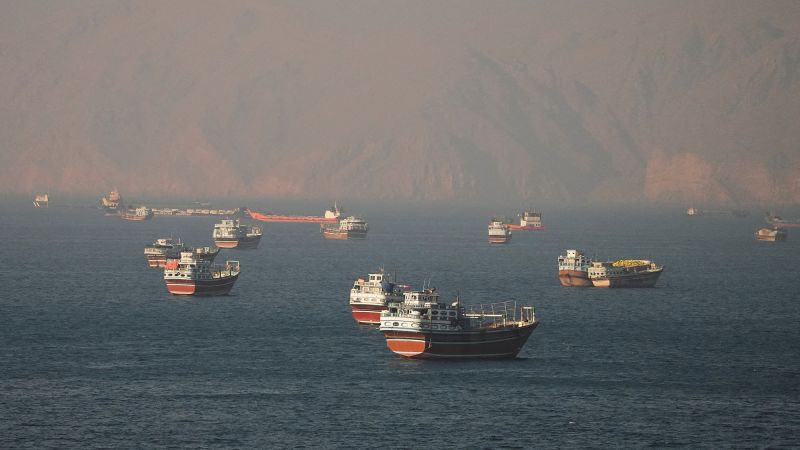
Ships Took Advantage of a Temporary Opening in the Strait of Hormuz, But the Passage May Close Again
Ships took advantage of an opening – In recent days, the Strait of Hormuz has witnessed a notable uptick in maritime activity, surpassing levels not seen in the past three months. However, this surge in traffic has since slowed on Friday, as a pivotal evacuation initiative faced a temporary pause. According to data from MarineTraffic, a record 73 vessels passed through the strategic waterway on Wednesday—the highest number since the conflict with Iran began in late February. This figure more than doubles the traffic recorded on Tuesday, signaling a tentative return to normalcy in the region. The uptick, though, is largely attributed to a combination of geopolitical shifts and renewed coordination among international bodies.
A Strategic Shift in Traffic Patterns
The recent increase in movement through the strait has been driven by the United States lifting sanctions on Iranian oil earlier this week, a move tied to the ceasefire agreement between the two nations. This decision, coupled with a joint effort by the United Nations and the International Maritime Organization (IMO), has encouraged some vessels to transit the channel. The humanitarian initiative aims to rescue 11,000 stranded seafarers and facilitate the safe passage of 500 ships from the area, which has become a focal point for global trade and security concerns.
“What we’re seeing are the ships that were sitting in the Gulf for this elongated period of time starting to move out with a focus on humanitarian aid to get the seafarers out and then a couple of chosen tankers when sanctions were lifted,” said Gene Seroka, executive director of the Port of Los Angeles. Seroka, who spent half a decade working for a major shipping line in the Middle East, emphasized that the current activity does not yet reflect a full resumption of commercial operations.
The movement has been carefully managed, with the IMO and its partners establishing two new shipping lanes to mitigate risks. One lane runs along the northern side of the strait near Iran, while the other is positioned closer to Oman. These routes are designed to avoid minefields and other hazards, ensuring safer passage for vessels. Ships were contacted directly by the relevant agencies when their turn came to move, allowing for controlled transit. The goal was to gradually shift traffic out of the region, balancing efficiency with security.
The War’s Impact on Maritime Activity
Before the conflict, the strait was a bustling corridor, with an estimated 110 to 160 vessels navigating its 21-mile stretch daily. This figure dropped dramatically during the war, with fewer than ten ships transiting the area on average. The blockage of the strait by fighting created a bottleneck, halting trade and raising fears of a prolonged disruption. Now, with the ceasefire in place, the revival of ship traffic has offered a glimpse of recovery, but it remains fragile.
Shipping companies have been cautious, waiting for signs of stability. The weekend marked a slight improvement, as confidence grew that negotiations between the US and Iran were making progress. This cautious optimism allowed for a gradual increase in activity, though the numbers remain far below pre-war levels. The IMO’s introduction of new lanes has been a critical step in restoring order, but the recent incident has shaken this progress.
A Drone Attack Halts the Evacuation Plan
On Thursday, the IMO suspended its evacuation plan after a vessel was struck in the Gulf of Oman. A US official confirmed the attack was carried out by an Iranian drone, though details remain sparse. Iran has not yet claimed responsibility, leaving questions about the scope of the threat. This event caused a sharp decline in traffic on Friday, as Iran issued a warning that ships should avoid the Omanian coast, restricting movement to routes approved by the country.
The pause has raised concerns about potential future attacks. With the strait still under threat, ships attempting to pass near Oman face heightened risks. IMO Secretary-General Arsenio Dominguez noted the decision to halt the evacuation effort was a precautionary measure, even though the attacked vessel “did not transit under IMO’s evacuation framework.” This highlights the ongoing uncertainty, as the organization seeks to ensure safety before resuming operations.
Risk and Insurance in the Strait of Hormuz
For months, shipping companies have operated in a state of vigilance, weighing the risks of navigating the strait against the potential losses from attacks or accidents. The IMO reports at least 46 strikes on vessels and 14 fatalities, underscoring the dangers faced by crews. Insurers have also withdrawn coverage for ships in the area, citing wartime clauses that increase liability. This financial hesitation has slowed the return of major carriers, who have relied on US naval escorts to traverse the waterway.
Despite these challenges, some companies have managed to resume operations. Flexport’s president, Sanne Manders, observed that the current traffic includes mostly Iranian-flagged vessels and a handful of Evergreen ships from Taiwan. “The ships actually transiting Hormuz this week are still mostly Iranian-flagged and some (Taiwanese) Evergreen ships. The major global carriers haven’t returned yet, so it’s closer to status quo than a real shift,” she noted. This suggests that while the strait has seen a temporary increase, the broader maritime community remains cautious.
A Delicate Balance Between Progress and Caution
The resumption of ship traffic through the strait is a sign of cautious optimism, but it also reveals the complexity of the situation. While the IMO and its partners have worked to establish safer pathways, the recent drone attack has reminded all parties of the lingering threats. The pause in evacuation efforts has created a lull, with traffic levels expected to decline in the coming days. Dominguez emphasized the need to “reconfirm that the necessary safety guarantees continue to be in place for the ships on our evacuation list and all those in the region,” indicating the organization’s commitment to thorough preparation.
As the situation evolves, the Strait of Hormuz remains a critical artery for global trade, connecting the Middle East to the rest of the world. The balance between resuming operations and maintaining security will be crucial in determining whether the strait can fully reopen. For now, the increased activity is a temporary relief, but the long-term stability of the passage hinges on sustained diplomatic efforts and the ability to address ongoing risks. The maritime community continues to watch closely, hoping for a return to pre-war conditions without the shadow of conflict looming overhead.
Amid the uncertainty, the IMO’s humanitarian mission stands as a testament to international collaboration. While the evacuation plan has been paused, the effort to rescue seafarers and clear the strait of dangers remains a priority. The success of this initiative will depend on the coordination between Iran, Oman, and global organizations, as well as the willingness of ships to navigate the treacherous waters under the new guidelines. Until these factors align, the strait’s reopening will remain a delicate and uncertain process.
