
Why Seattle’s Pride match has caused outrage for the two teams playing in it
Why Seattle s Pride match has sparked controversy
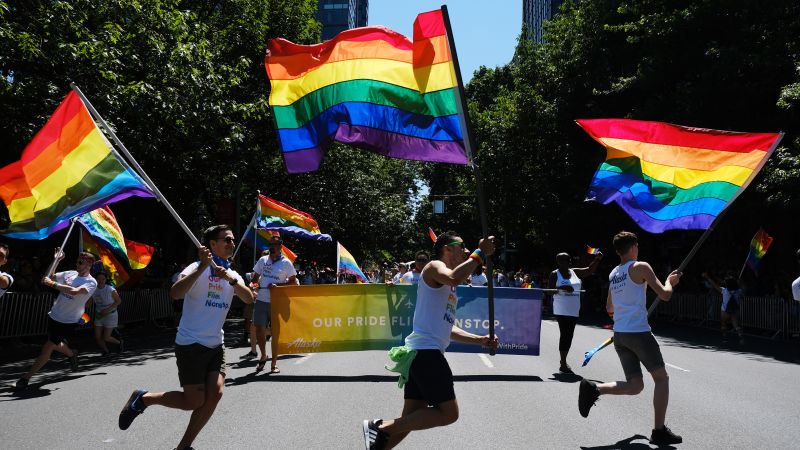
Why Seattle s Pride match has caused outrage – The World Cup has long been a stage for high-stakes drama, but this year’s tournament has added a new dimension of tension. A match between Iran and Egypt at Lumen Field in Seattle on June 26 has ignited debate, blending the excitement of sports with broader questions of identity, inclusivity, and political symbolism. The event, organized to celebrate Seattle’s LGBTQ+ community during Pride Weekend, has drawn mixed reactions, with both teams feeling the weight of its dual meaning.
A Pride Celebration with a Soccer Twist
Seattle’s Pride match is part of a larger effort to merge cultural events with sports, a strategy that has been in the works for months. The city’s World Cup 2026 organizers aimed to create a unique experience by aligning the game with the LGBTQ+ festivities, which include rainbow-themed decorations, art installations, and public celebrations. According to SeattleFWC26, the goal is to “celebrate diversity, creativity, and unity through sports,” emphasizing how the World Cup can serve as a platform for social progress.
“Football has the power to bring people together,” said Hana Tadesse, a spokesperson for SeattleFWC26. “This match isn’t just about the game—it’s about showing that Seattle is a city where all identities can thrive.” The decision to host the Pride match was designed to highlight the intersection of sports and social issues, but it has also become a focal point for controversy, especially as the teams’ home countries grapple with different views on LGBTQ+ rights.
The Controversy: Politics Meets the Pitch
For Iran and Egypt, the Pride match has been perceived as a challenge to their traditional values. Both nations have faced criticism for their treatment of LGBTQ+ communities, with Iran’s legal system imposing severe penalties for homosexuality and Egypt’s laws scrutinizing public displays of same-sex affection. The timing of the game during Seattle’s Pride Weekend has been seen by some as a symbolic endorsement of these communities, raising concerns among players and fans from both teams.
“Hosting a Pride event during our match could be interpreted as a political statement,” remarked an Egyptian team representative. “While we respect the efforts to promote inclusivity, we want to ensure the focus remains on the sport.” Similarly, Iran’s soccer federation has expressed unease, fearing the event might associate their national team with progressive values it doesn’t fully endorse. Despite these objections, the match has been embraced by many as a powerful statement of unity and cultural acceptance.
FIFA’s Role and the Global Perspective
FIFA has acknowledged the Pride match as a legitimate expression of inclusivity, stating that the World Cup allows for diverse symbols to be showcased. However, the decision to integrate the Pride event into the match schedule has sparked a debate about the role of sports in shaping global narratives. While FIFA promotes diversity, the event’s organization was led by local groups rather than the tournament itself, leading some to question whether it reflects a genuine commitment or a strategic move to align with progressive movements.
The Pride match has also become a conversation starter about how sports can mirror societal changes. For fans and players, it represents an opportunity to highlight the importance of acceptance, even as the teams navigate the pressures of representing their nations. As the World Cup progresses, the match will be remembered not just for its outcome, but for the deeper dialogue it has initiated about the role of identity in global sports.
The US Team’s Struggles: A Different Kind of Drama
Meanwhile, the United States team faces its own set of challenges. After a 3-2 loss to Turkey in a group-stage match, they are looking to recover in their next encounter against Bosnia and Herzegovina. The result has forced a reevaluation of their performance, with fans and analysts scrutinizing their strategies and resilience. While the Pride match in Seattle has drawn attention to the LGBTQ+ community, the U.S. squad’s journey remains a central story in the tournament, highlighting the high stakes and unpredictability of the competition.
The U.S. team’s recent struggles underscore the intensity of the World Cup, where even minor setbacks can impact a nation’s standing. As they prepare
