‘God made Trump’ ad and at least 12 others are part of controversial taxpayer-funded ad campaign

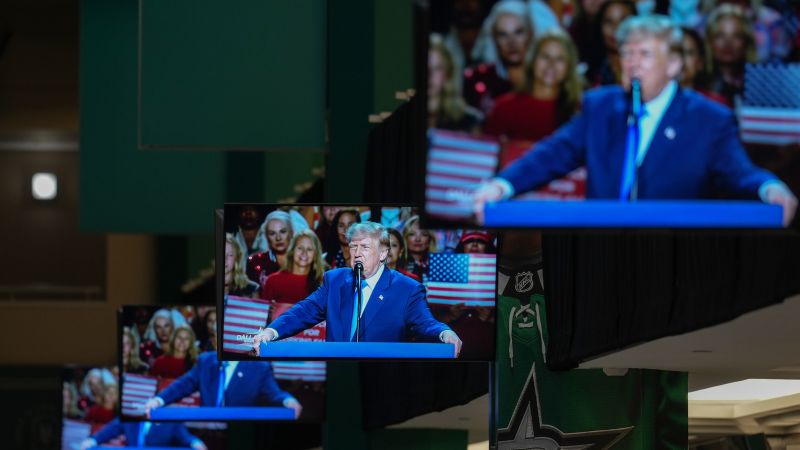
God Made Trump Ad Draws Taxpayer-Funded Campaign Scrutiny
Activelifezero.com – The God made Trump ad and at least 12 other campaign-style videos are part of a taxpayer-funded advertising effort that has drawn criticism from lawmakers in both parties. The Trump administration has produced at least 13 videos promoting President Donald Trump, his administration and major policy actions, while the White House describes them as public service announcements.
At least three videos have appeared on television outlets including CBS, CNN, MS NOW, Fox News and Fox. It is unclear whether all completed ads will air on television, be shared online or use both distribution methods.
The spots range from roughly 15 seconds to about three minutes. Available videos include an on-screen notice saying they were paid for by the U.S. government. Another ad, titled “Final Battle,” has aired in recent weeks.
Trump-Centered Images Raise Questions
The videos pair patriotic imagery with footage of Trump and favorable news clips. Their visuals include fireworks over Mount Rushmore, military aircraft, a military graduation cap toss, the border wall and Trump’s announcement of reciprocal tariffs.
First lady Melania Trump appears in several ads despite keeping a limited public profile at the White House during the president’s second term. Other videos revisit Trump’s political career, including his escalator announcement and a framed auto-pen image of former President Joe Biden displayed on Trump’s “Presidential Walk of Fame.”
Trump has taken a direct role in the project, including selecting images and footage. White House video staff created the material within the administration’s communications operation, although at least one spot was produced by a pro-Trump meme group.
Military, Foreign Policy and UFC Footage
Several upcoming ads focus on the military and overseas operations involving Iran and Venezuela. The God made Trump ad and at least one other military-themed video has become a focal point in the debate over whether taxpayer funding is being used for government information or political promotion.
One ad, “UFC 250,” promotes the fighting organization and its June White House event. It features UFC CEO Dana White, fighters, an illuminated claw above the Octagon and a championship belt, adding to questions about why public funds are supporting messaging tied to a commercial sports brand.
Another video, “Maduro,” combines a speech from Nicolás Maduro with appearances by Trump and his team at Mar-a-Lago after the Venezuelan dictator’s capture. “Military Hype” includes fighter jets and unclassified footage that appears to show missile launches, along with Trump’s February address announcing the war with Iran.
This regime will soon learn that no one should challenge the strength and might of the United States Armed Forces.
The quote from Trump appears in the military-focused ad. Critics say the combination of official military imagery and a president-centered message makes it difficult to distinguish a public-service campaign from political promotion.
Lawmakers Challenge Taxpayer Spending
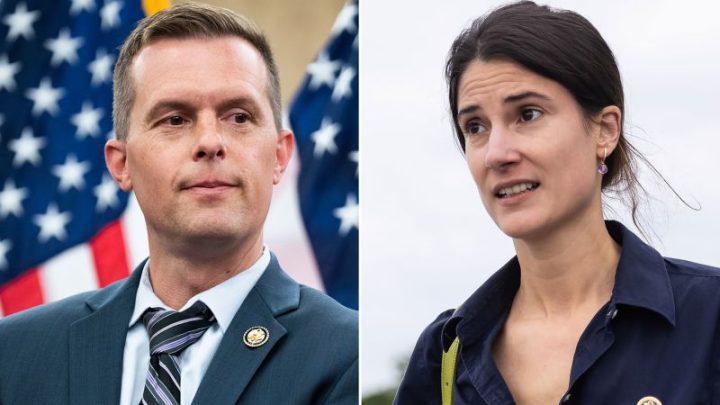
Democratic Rep. Jamie Raskin of Maryland, the ranking member of the House Judiciary Committee, said the ads could present serious legal concerns. Republican Sen. Thom Tillis of North Carolina also said taxpayer money was not appropriate for this type of communication, while noting that campaign or super PAC funds could be used instead.
Look, if you want to spend money out of your super PAC or other campaign account to communicate that message, that’s fine. It’s not an appropriate PSA.
The God made Trump ad and at least a dozen related videos are likely to face continued scrutiny over their cost, purpose and use of public resources. The White House has defended its broader messaging effort, but critics argue the advertisements promote Trump personally rather than provide neutral public information.
FAQ: What U.S. Taxpayers Should Know
What is the main concern about the ads? Critics question whether U.S. government funds should be used for videos that prominently promote the president and his political image.
Who is paying for the videos? The available ads identify the U.S. government as the payer, while the White House has characterized the videos as public service announcements.
Could Congress investigate? Lawmakers from both parties have criticized the campaign, and congressional oversight could examine whether the spending complied with applicable rules.