The Supreme Court’s cryptic mail ballot decision won’t be its last word on voting

Supreme Court Mail Ballot Decision Leaves Key Voting Questions Open
Activelifezero.com – The Supreme Court s cryptic decision on mail ballots temporarily blocks a Trump administration Postal Service policy, but it does not settle the larger legal fight over voting by mail. The brief order stopped a policy that could have allowed ballots to go undelivered, while revealing little about how the justices may rule when the dispute returns in a fuller case.
The uncertainty is significant during the current election cycle and as the country looks toward the 2028 presidential race. Legal battles over voting procedures can affect individual contests, control of Congress and voters’ ability to cast ballots under stable, understandable rules.
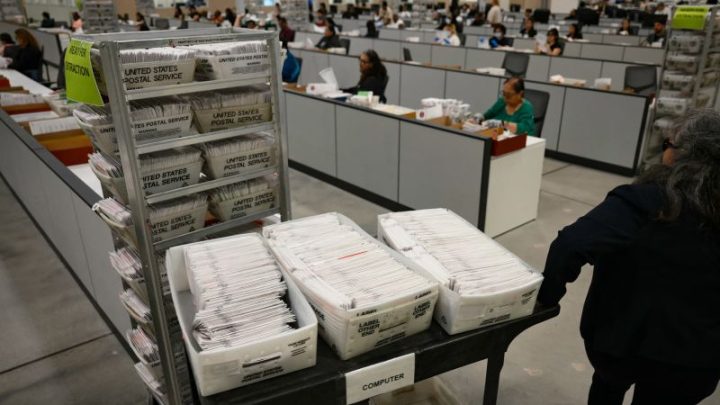
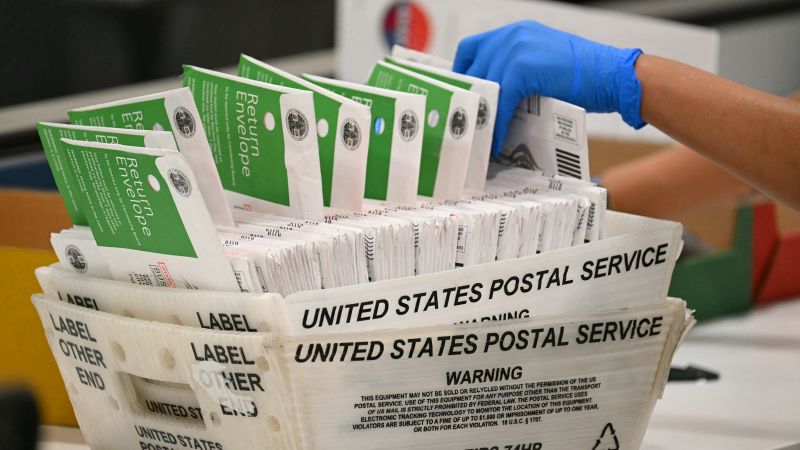
In an unsigned order issued Monday, the court rejected President Donald Trump’s request to let the US Postal Service potentially decline delivery of ballots. Democratic-led states and voting-rights groups had challenged the regulations, winning a preliminary victory. Still, the justices offered almost no explanation of their reasoning.
The Government is unlikely to succeed on the merits of its challenge to the District Court’s preliminary injunction. And the equitable factors applicable for obtaining emergency relief from this Court do not favor a stay.
A temporary ruling, not a final resolution
The Supreme Court s cryptic order addressed the standards for emergency relief rather than the central constitutional and statutory issues. It did not fully resolve the Postal Service’s claimed authority, the role of election officials or whether a ballot-screening system could work in practice.
Justice Brett Kavanaugh wrote separately that the final Postal Service rule may have a plausible basis in the agency’s statutory authority. His concurrence signals that the case could produce a different outcome after more complete litigation, potentially during the 2028 election cycle.
There is at least a fair prospect that the final rule falls within the Postal Service’s statutory authority.
The decision follows another closely divided election case from June, when a proposed set of new mail-in ballot restrictions failed by one vote. Taken together, the rulings offer no clear picture of how the court’s six-member conservative majority will approach future disputes over election administration.
Justices Samuel Alito and Clarence Thomas have repeated Trump administration claims about fraud in mail voting, despite the absence of evidence that mail ballots are especially vulnerable to fraud. Alito’s dissent in the latest case showed that the issue remains divisive within the court.
Voting rules remain a major legal battleground
Donald Verrilli, who served as US solicitor general during the Obama administration, said litigation over vote-by-mail procedures is likely to continue. Speaking Tuesday at a Georgetown Law panel, he said political rhetoric around mail ballots could keep driving lawsuits even though evidence does not support claims that mail voting promotes fraud.
As the rest of this electoral cycle unfolds, and into 2028, I think there’s going to be a lot of turbulence around these issues.
The Supreme Court s cryptic mail ballot ruling is part of a broader series of election-law disputes since Trump returned to office in January 2025. Such cases can shape voting access, election administration and communities’ ability to elect representatives of their choice.
Earlier this year, the court narrowed protections associated with the Voting Rights Act of 1965 and gave state lawmakers broader room to draw political maps that could weaken the electoral influence of Black and Latino voters. Several states moved to revise district lines, including efforts to remove majority-minority districts and improve Republican candidates’ prospects.
Some redistricting changes were permitted while primary contests were already underway. For election officials and voters, rapid changes to mail deadlines, ballot delivery practices, district boundaries or eligibility requirements can create confusion even when challenges remain unresolved.
FAQ for US voters
Does this order change how I vote by mail today? The ruling blocks the challenged Postal Service policy for now. Voters should continue following instructions from their state and local election office, including ballot-request and return deadlines.
Could the court revisit mail ballot rules? Yes. The order was issued at an emergency stage and did not provide a final answer on the Postal Service’s authority. A later decision could address the underlying legal questions more directly.
What should voters do if election rules change? Check official state and local election information promptly, especially before requesting or returning a mail ballot. Rules concerning deadlines, ballot delivery and eligibility may be affected by ongoing litigation.