Saudi Arabia says it shot down a Houthi drone near Mecca, Islam’s holiest city

Daftar Isi
Saudi Arabia Intercepts Houthi Drone Near Mecca as Regional Tensions Escalate
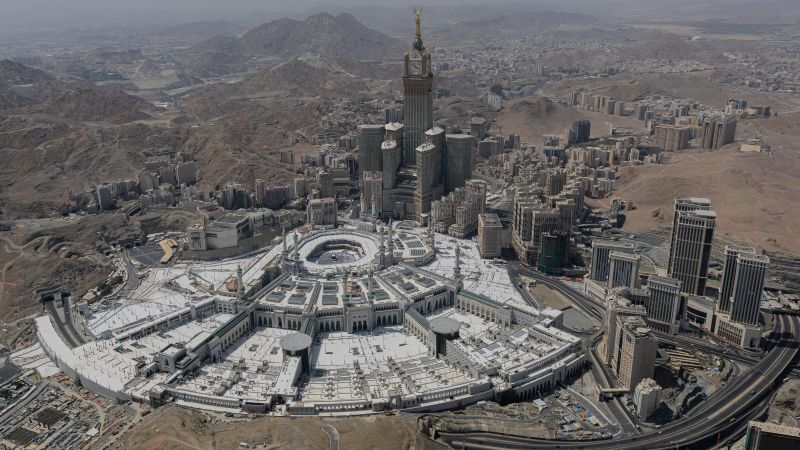
Activelifezero.com – Saudi Arabia says it intercepted and destroyed a Houthi drone near Mecca on Tuesday, bringing the conflict surrounding Yemen’s Iran-backed rebel movement close to Islam’s most sacred city and prompting condemnation across the region.
The reported incident comes as fighting intensifies in Yemen and Saudi Arabia faces renewed missile and drone attacks. It also unfolds against the wider backdrop of the continuing US-Iran war, which has increased pressure on Gulf security, energy routes and civilian populations across the region.
A rare threat near Islam’s holiest city
Mecca holds exceptional religious importance for Muslims worldwide. It is the birthplace of the Prophet Muhammad and the destination of the Hajj pilgrimage, which every Muslim who is physically and financially able is required to undertake at least once in a lifetime. Millions of pilgrims travel to the city each year.
Saudi officials described Tuesday’s drone interception as the first Houthi targeting of Mecca in nearly a decade. Turki al-Maliki, spokesperson for the Saudi-led Coalition Forces, pointed to a 2017 incident in which a ballistic missile aimed toward the city was intercepted.
Houthi officials rapidly rejected the claim that their forces had threatened Mecca. The competing accounts highlight the political and military sensitivity surrounding any incident involving a city revered by more than a billion Muslims.
This hostile attempt will also remain a black mark in the record of violations by the extremist terrorist Houthi militia, as a deliberate act intended to provoke the feelings of millions of Muslims.
Al-Maliki said Saudi Arabia would take “necessary and deterrent measures” against the militants. The statement reflected the kingdom’s concern that attacks on or near religious sites could deepen an already volatile conflict and further inflame public sentiment across the Muslim world.
Islamic organization condemns the attempted strike
The Organization of Islamic Cooperation, a 57-member body representing 1.5 billion Muslims, also condemned the attempted attack. The organization said the strikes sought to violate the sanctity of religious sites and mosques while spreading fear among civilians.
The attempted strikes “violate the sanctity of holy sites and mosques” and “instill fear in innocent civilians.”
The response underscored why the alleged targeting has drawn attention well beyond Saudi Arabia and Yemen. Mecca’s status gives any security threat around the city significance across national and political divides, particularly at a time when the region is already confronting escalating military exchanges.
Missiles, drones and fighting in Yemen
The drone incident followed a series of Houthi attacks on Saudi territory earlier in the week. Ballistic missiles and drones were launched toward several Saudi cities, including Khamis Mushait, Abha and Taif. Thirteen civilians were injured in those attacks.
On Sunday, the Houthis also claimed responsibility for striking a Saudi military base. Saudi Arabia’s conflict with the rebel group has become increasingly difficult to contain as the Houthis expand their military activity and strengthen their position inside Yemen.
The Houthis, meanwhile, said Saudi forces carried out airstrikes in areas under Houthi control last Saturday and again on Tuesday. The opposing claims illustrate the continuing cycle of attacks and retaliation, with air operations, missile launches and drone strikes affecting both sides of the border.
In recent weeks, the rebels have stepped up operations against Yemen’s Saudi-backed government and widened the territory under their control. Their advances have added to the strategic challenges confronting Saudi Arabia, which must weigh responses to attacks while seeking to avoid a larger and more costly regional confrontation.
Pressure on Red Sea shipping and oil supplies
Last week, Houthi forces captured a Red Sea port city in Yemen as well as an island near a crucial waterway. That passage has served for months as an alternative route to the Strait of Hormuz for Saudi oil exports and refined petroleum products.
The development has heightened concern about shipping through the Red Sea. With the United States and Iran continuing to fight over control of the Strait of Hormuz, the security of alternative maritime routes has become a central economic issue for the region and for global energy markets.
Control or disruption of these waterways can affect the movement of oil and other goods, raising fears that the region’s remaining export options could become increasingly restricted. The Houthis’ growing influence near Red Sea routes has therefore added a maritime dimension to a conflict already marked by cross-border attacks.
Oil prices rose above $100 a barrel last week after additional US strikes on Iranian oil tankers in the Gulf and continued fighting in Yemen. The increase triggered protests in several places, where demonstrators called for government action and relief from rising economic pressure.
For Saudi Arabia, the interception near Mecca is not only a security event but also a reminder of how closely military escalation, religious symbolism, shipping security and oil markets have become intertwined. The kingdom now faces pressure to protect its cities and critical infrastructure while managing the risk that each response could draw it further into a broader conflict.
Related Reading
Frequently Asked Questions
What is Saudi Arabia says it shot down?
Saudi Arabia says it shot down is the main topic of this guide. The article explains the context, practical details, and next steps readers should understand.
Why does Saudi Arabia says it shot down matter?
Saudi Arabia says it shot down matters because readers are looking for a useful answer, not just a short summary. Good content should match search intent and help them decide what to do next.