Fact check: Vance repeats Trump’s fictional ‘$19 trillion’ investment figure


Daftar Isi
The Escalating Investment Myth: How a Baseless Trillion-Dollar Claim Keeps Growing
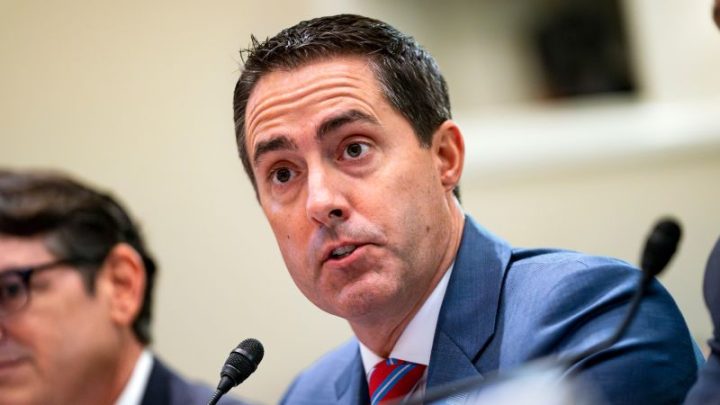
Activelifezero.com – For months, the White House has leaned on a single, ever-inflating number to frame its economic record: a supposed torrent of foreign and domestic capital pouring into the United States. The figure has climbed steadily through the administration’s tenure, and on Thursday it received a fresh endorsement from the vice president himself. Speaking to reporters in the White House briefing room, JD Vance listed what he called the administration’s “wins” and declared:
“We’ve seen $19 trillion of new investment come into the country.”
The problem, as it has been for months, is that no such sum exists in any verifiable dataset. The number has no grounding in federal investment statistics, no traceable methodology, and no explanation that the White House has been willing or able to provide. Hours before Vance made his remarks, a direct inquiry was put to the administration’s communications office asking for the basis of the figure. The response contained no data, no breakdown, and no substantiation of any kind.
What the White House Itself Actually Publishes
At the moment Vance was speaking, the administration’s own public-facing website told a different story. The site listed approximately $11 trillion in what it described as “major investment announcements” made during the current presidential term. That figure, while already generous, is not the same thing as $19 trillion in realized investment. An “announcement” is a statement of intent; actual capital inflow requires deals to close, funds to move, and projects to break ground. The gap between the two numbers is not a rounding error. It is a gap of roughly eight trillion dollars, and the administration has never bridged it with evidence.
What a Detailed Review Found
A thorough fact-checking review conducted in October dissected the White House’s accounting and found that the trillions in question were assembled from a patchwork of materials that stretch the definition of “investment” to its breaking point. The tally included:
Vague pledges that never specified a dollar amount, a timeline, or a concrete project. Statements framed around “bilateral trade” or “economic exchange” — language that describes the flow of goods and services between two economies, not the deployment of capital into new facilities or ventures. Rhetorical commitments that did not even rise to the level of a formal pledge, let alone a binding investment agreement.
In other words, the administration’s headline number was constructed by counting aspirational language as if it were executed capital. That is not how investment is measured in any standard economic framework.
What Federal Data Actually Shows
The Bureau of Economic Analysis and related federal agencies track foreign direct investment into the United States with regularity. Their figures for 2025 put new foreign direct investment at approximately $232 billion. That is a substantial sum by historical standards, but it is roughly one-eightieth of the figure the vice president cited. The White House’s inflated number also folds in pledges from U.S.-based companies, further blurring the line between domestic corporate expansion and the kind of cross-border capital deployment that “foreign investment” implies.
A Number That Keeps Climbing
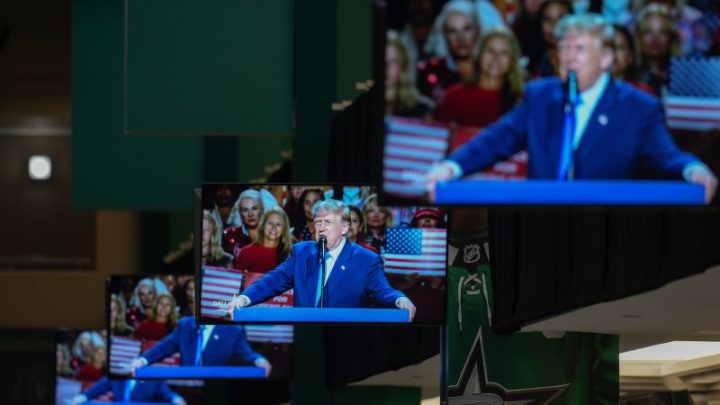
The administration’s preferred figure has not been static. Last fall, President Trump placed the total at $17 trillion. By the previous week, he had revised it upward to $19.2 trillion. Then, on Wednesday, addressing Republican lawmakers, he announced that with two additional months of data now available, the number had crossed a new threshold:
“Now it’s over $20 trillion is being invested in our country.”
When asked to produce the data behind that latest increment, the White House offered none. Spokesperson Kush Desai replied by email with a statement that contained no figures, no citations, and no methodological explanation. Instead, the response fell back on a familiar rhetorical formula:
“President Trump is right: business leaders from across the world and across industries are lining up to invest in the United States thanks to the Trump administration’s pro-growth agenda.”
The assertion that the president is correct, offered without corroboration, has become a standard operating procedure for the communications office whenever a specific claim resists verification.
Why the Distinction Matters
Investment figures are not merely rhetorical ornaments. They shape market expectations, influence legislative debates over tax incentives and industrial policy, and feed into the administration’s broader narrative that its trade and tariff strategies are producing an economic renaissance. When a figure of that magnitude is advanced without a traceable basis, it distorts the policy conversation. Lawmakers debating infrastructure spending, investors calibrating long-term capital allocation, and analysts modeling growth trajectories all rely on numbers that can be audited. A number that grows by fiat — $17 trillion, then $19.2 trillion, then “over $20 trillion” — cannot serve that function.
The vice president’s Thursday remarks, delivered with the full institutional weight of the White House briefing room, lent the unverified figure a new layer of official endorsement. Whether the number will continue to climb through the remainder of the term, or whether the administration will eventually produce a methodology that withstands scrutiny, remains to be seen. As of now, the gap between the rhetoric and the data remains vast, unexplained, and widening.
Related Reading
Frequently Asked Questions
What is Fact check?
Fact check is the main topic of this guide. The article explains the context, practical details, and next steps readers should understand.
Why does Fact check matter?
Fact check matters because readers are looking for a useful answer, not just a short summary. Good content should match search intent and help them decide what to do next.