Reflecting Pool saga continues with another contractor hired to clean the algae

Reflecting Pool Saga Continues: New Contractor Hired
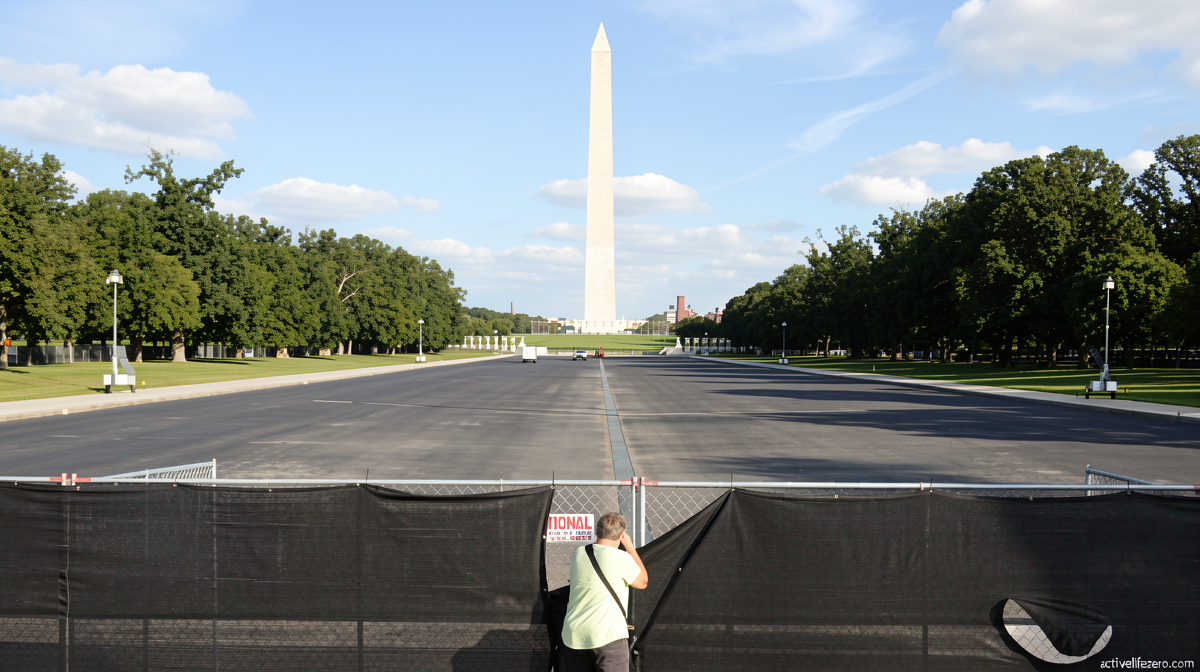
Activelifezero.com – The Reflecting Pool saga continues as the Department of the Interior awards a fresh contract to clean and maintain the Lincoln Memorial’s iconic water feature. What began as a modest restoration ahead of the nation’s 250th-anniversary celebrations has ballooned into a multi-year administrative tangle marked by rotating vendors, escalating costs, and recurring water-quality failures. The latest development places American Ag Energy, a Massachusetts renewable-energy firm, in charge of the pool’s sewage and purification systems under a one-year, $2.7 million agreement.
A New Firm Steps In
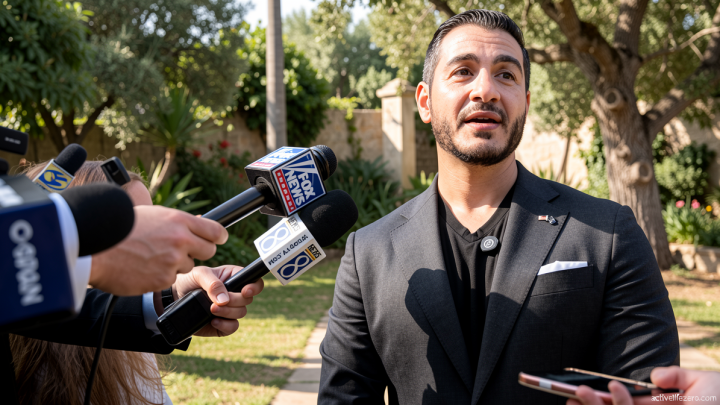
The contract, finalized last week, includes options that could stretch the arrangement across five additional years and push cumulative spending to $8.8 million. Richard Rosen, American Ag Energy’s chief executive, told reporters he first learned of the algae crisis through a colleague before seeing coverage in the news. His response, he said, was instant recognition of a solvable engineering challenge.
“I realized that I actually knew how to solve this problem,” Rosen said. “They want me to solve it the right way, okay, and they’re doing a very good job, trying to do the right thing and I will be very helpful to them.”
Rosen was referring to the National Park Service, which handles day-to-day stewardship of the landmark. The Interior Department, which oversees the broader renovation, did not respond to follow-up questions about how the new arrangement interacts with work already completed on site.
A Complicating Personal History
The award arrives with a footnote that complicates the narrative. In 2016, Rosen cast ballots in both Massachusetts and New Hampshire during the same presidential election. He was convicted of voter fraud and sentenced to seven days in jail, along with a temporary loss of his New Hampshire voting rights. Earlier this year, the New Hampshire Supreme Court vacated that conviction, ruling that a superior-court judge had made incorrect evidentiary rulings at trial. The case was remanded to Grafton County Superior Court, where charges may be refiled. Rosen said he is currently in mediation with the state attorney general’s office. The New Hampshire attorney general’s office had not responded to requests for additional detail as of publication.
Costs That Keep Climbing
Financial overruns have threaded through the project’s troubled history from the start. The president initially pegged the restoration at roughly $2 million to $3 million. That figure was later revised upward to “less than $20 million.” By the time the newest contract was factored in this summer, total spending had already surpassed $14 million — more than four times the original low-end estimate. The restoration was announced under an executive order directing that the nation’s capital be made “safe and beautiful,” a mandate that has so far produced far more questions than answers.
The Algae Problem and Its First Fix
The trouble began in earnest after the president rode through his motorcade across the drained pool in May to inspect the site. Workers had replaced the long-gray basin floor with a liner dyed what was described as “American flag blue.” When water was reintroduced, algae rapidly turned the surface a murky green. The administration’s response was to bring in Greenwater Services, an Ohio-based firm whose co-owner, J.J. Cafaro, is a longtime political supporter and donor to the president. Under a $1.7 million contract, Greenwater deployed ozone nanobubbler technology to treat the water. The algae persisted.
Cafaro’s own history adds another wrinkle: in 2001 he pleaded guilty to conspiracy to bribe Representative James Traficant Jr., an Ohio Democrat. Company executives have stated that Cafaro does not participate in Greenwater’s daily operations.
Peeling Liner, Arrests, and a Felony Indictment
Compounding the water-quality failure, the blue liner at the pool’s bottom began peeling shortly after installation. The president attributed the damage to vandals. That characterization gained traction this summer when several individuals were arrested and charged with damaging the pool. For most of those charged, the offense carried a maximum penalty of a $1,000 fine and 180 days in custody.
The most high-profile case involved David Hearn, an Olympic canoeist, who was indicted on felony charges connected to the liner damage. The Reflecting Pool saga continues to generate headlines well beyond its original scope, with each new development drawing scrutiny to the administration’s management of one of Washington’s most visible landmarks.
Frequently Asked Questions
Who is the new contractor hired for the Lincoln Reflecting Pool?
American Ag Energy, a Massachusetts-based renewable-energy company led by CEO Richard Rosen, was awarded a one-year, $2.7 million contract to repair and maintain the pool’s sewage and water-purification infrastructure. The agreement includes options for up to five additional years.
How much has the Reflecting Pool renovation cost so far?
Total spending surpassed $14 million by the summer the newest contract was factored in, compared with an original presidential estimate of $2 million to $3 million. The revised ceiling was set at “less than $20 million.”
Why was the pool drained and relined in the first place?
The restoration was announced under an executive order directing that the nation’s capital be made “safe and beautiful.” Workers replaced the original gray basin floor with a liner dyed “American flag blue” ahead of the 250th-anniversary celebrations.
What happened with the algae after the water was reintroduced?
Algae rapidly turned the pool surface a murky green after refilling. The administration contracted Greenwater Services, an Ohio firm, to deploy ozone nanobubbler technology under a $1.7 million agreement. The algae persisted despite the treatment.