Prosecutors narrow their case ahead of the retrial of the man accused of setting the Palisades fire

Prosecutors Narrow Their Case Ahead of Palisades Fire Retrial
Activelifezero.com – Federal prosecutors have significantly streamlined their legal strategy as they prepare for a second attempt to secure a conviction against Jonathan Rinderknecht. Prosecutors narrow their case ahead of the retrial by reducing the number of felony charges and focusing on the most critical evidence. The charges stem from the devastating 2025 wildfire that ultimately claimed twelve lives and reduced thousands of structures to ash across the Pacific Palisades and surrounding Malibu communities. This development follows an initial jury’s failure to reach a unanimous verdict in June, giving prosecutors the opportunity to refine their approach before the retrial begins this autumn.
A Narrowed Focus in the New Indictment
The revised indictment, filed on Thursday, cuts the number of felony charges from three down to two. This strategic reduction reflects a more concentrated effort to prove Rinderknecht’s involvement in the initial ignition rather than attempting to hold him responsible for every subsequent phase of the disaster. Under the original charges, prosecutors had sought to connect Rinderknecht to both the January 1 spark and the later Palisades fire that erupted days afterward. The updated document now isolates one charge to focus exclusively on the destruction caused by that first January blaze.
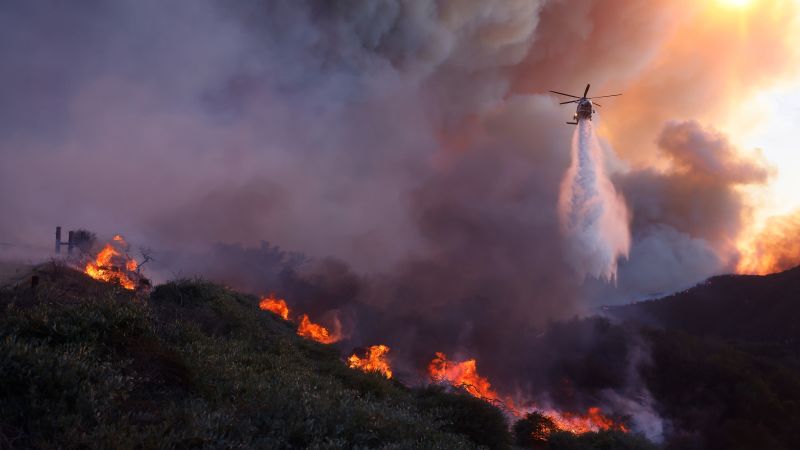
According to the new filing, Rinderknecht allegedly used a barbecue lighter to ignite vegetation on New Year’s Day, 2025. The initial flames smoldered unnoticed within deep root systems for several days before bursting back into visibility on January 7. That resurgence transformed a contained incident into the most destructive wildfire in Los Angeles history, ultimately consuming more than 6,800 buildings across multiple neighborhoods.
Understanding the Deadlock and Mistrial
The original trial concluded with a surprising level of juror sympathy toward the defendant. Ten out of twelve jurors indicated they would have acquitted Rinderknecht on all three felony charges had the deliberations continued. This overwhelming inclination toward acquittal prompted the presiding judge to declare a mistrial, clearing the path for prosecutors to rebuild their case. Rather than abandoning the effort entirely, federal authorities chose to pursue a second trial with a streamlined set of allegations.
US District Judge Anne Hwang is scheduled to hold a status conference on Wednesday to address the arraignment proceedings for the new indictment. This procedural step will formally introduce the reduced charges to the court and set the timeline for the upcoming trial.
Prosecution’s Theory and Defense Arguments
Throughout the initial proceedings, prosecutors constructed a narrative positioning Rinderknecht as the sole individual present in the affected area when the January 1 fire began. They presented what they described as a digital trail suggesting his motivation stemmed from a desire to exact revenge on society, particularly in response to widespread economic inequality. The prosecution also introduced hours of recorded interviews in which Rinderknecht provided inconsistent accounts of his movements on the night of the ignition.
The defense team countered these assertions by highlighting the absence of direct physical evidence linking Rinderknecht to the fire’s origin. They further argued that prosecutors overlooked a plausible alternative explanation: fireworks. This possibility gained particular attention given the timing of the incident, which occurred on New Year’s Day, a date traditionally associated with celebratory pyrotechnics throughout Los Angeles.
What Comes Next
Both Rinderknecht’s attorney and a spokesperson for the US attorney’s office declined to provide commentary regarding the new indictment. The retrial is expected to commence in the fall, offering both sides an opportunity to present their cases with the benefit of lessons learned from the first trial. The narrowed scope of charges may prove significant, as it allows the prosecution to concentrate its resources on proving the most critical elements of their case without the burden of establishing connections to every phase of the fire’s progression.
The outcome of this second attempt will carry substantial implications for both the legal proceedings and the broader community. For residents of the Pacific Palisades and Malibu, the verdict will determine whether justice is served for the families who lost loved ones and the thousands who were displaced by the destruction. The case continues to evolve as prosecutors work to strengthen their position before the retrial begins.
Frequently Asked Questions
Q: When does the Palisades fire retrial begin? A: The retrial is expected to commence in the fall of 2026, following the status conference scheduled for Wednesday.
Q: How many charges remain against Jonathan Rinderknecht? A: The new indictment reduces the charges from three felony counts to two, focusing primarily on the January 1 ignition.
Q: Why was the original trial declared a mistrial? A: Ten out of twelve jurors indicated they would have acquitted Rinderknecht on all charges, preventing a unanimous verdict.
Q: What is the defense’s main argument? A: The defense highlights the lack of direct physical evidence and suggests fireworks as an alternative cause for the fire.