Trump rejects proposal to reopen the Strait of Hormuz. Iran says it is awaiting definitive US position

Trump Rejects Proposal to Reopen Strait of Hormuz
Activelifezero.com – President Donald Trump rejects proposal to reopen the Strait of Hormuz after Iran offered to restore shipping and resume negotiations with Washington under conditions tied to sanctions, frozen Iranian assets and military activity.
Trump said Saturday that Iran’s terms were unacceptable, even as he indicated that he remains willing to pursue diplomacy. Tehran, meanwhile, said it is awaiting a definitive US response through mediators before deciding its next move.
“I reject their proposal,” Trump said. “They want to make a deal where they open the strait immediately because they’re losing so badly.”
The president said he supports making a deal in principle but does not believe the current Iranian proposal meets US expectations.
“They want to make a deal, and I think that’s fine. I like making a deal too, but that deal would not be acceptable,” Trump said.
Iran Awaits a Definitive US Position
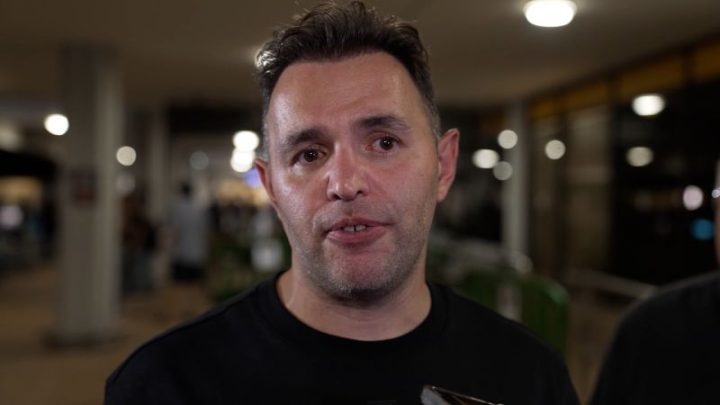
Iranian Foreign Minister Abbas Araghchi said Tehran had noted Trump’s comments but would wait for a formal American position conveyed through mediators. Iran has maintained that its conditions are longstanding and non-negotiable.
Araghchi said the proposal would allow the Strait of Hormuz to reopen and negotiations to restart if Washington accepts commitments Iran says were included in a US-Iran Memorandum of Understanding signed in June. That agreement later unraveled after fighting resumed.
The memorandum included sanctions relief, the release of frozen Iranian assets and an end to military operations, including actions involving Lebanon. Araghchi said Iran would not retreat from those demands.
“We will not back down from them,” Araghchi said.
What Reopening the Strait Could Mean
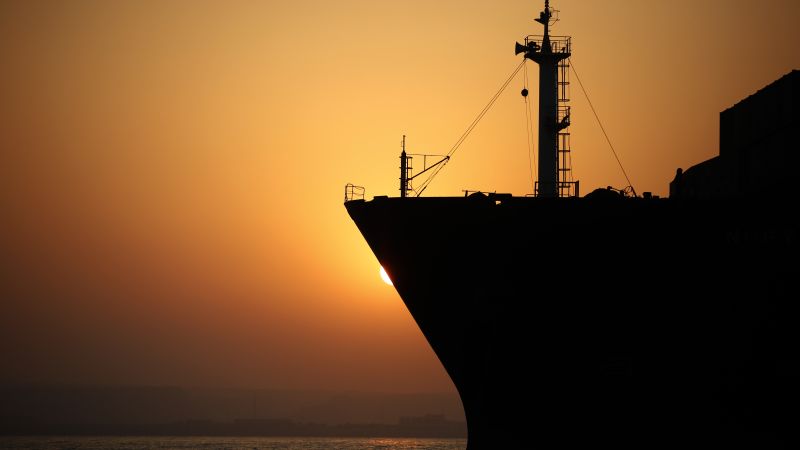
Trump rejects proposal to reopen the passage at a moment when the Strait of Hormuz remains central to concerns over commercial shipping and energy supplies. The narrow waterway links the Persian Gulf with the Gulf of Oman and the wider Indian Ocean, making it a critical route for oil and gas cargoes.
Araghchi said normal maritime traffic could return within seven days if the United States accepts Iran’s conditions. Speaking in New York during United Nations General Assembly week, he said the decision now rests with Washington.
“If the necessary conditions are met, the strait can be reopened, a normal maritime passage restored within seven days. The choice now rests with the United States,” Araghchi said.
Iran has argued that shipping security cannot be separated from the broader dispute over sanctions, military pressure and the conflict between Tehran and Washington.
“You cannot bomb a country, threaten its annihilation, impose a maritime blockade, and coercive measures, and expect automatic restoration of security and navigation,” Araghchi said.
Diplomacy Still Faces Major Obstacles
A White House official had previously described mediator contacts as positive and constructive, while saying the United States believes it holds a strong position in the Strait of Hormuz and does not need to move quickly. Secretary of State Marco Rubio has also suggested that any agreement would require a lengthy and difficult process.
Trump rejects proposal to reopen the strait under Iran’s current terms, leaving both sides publicly open to diplomacy but divided over the conditions needed to restore shipping and restart talks.
FAQ: Strait of Hormuz Negotiations
Why is the Strait of Hormuz important? It is a major maritime route connecting the Persian Gulf to the Gulf of Oman and the Indian Ocean. Commercial vessels, including energy shipments from Gulf producers, rely on the passage.
What does Iran want from the United States? Iran has linked reopening the waterway and returning to talks to sanctions relief, the release of frozen assets and an end to military operations.
Has the Strait been reopened? Iran says normal passage could be restored within seven days if its conditions are met, but the United States has not accepted the proposal described by Tehran.