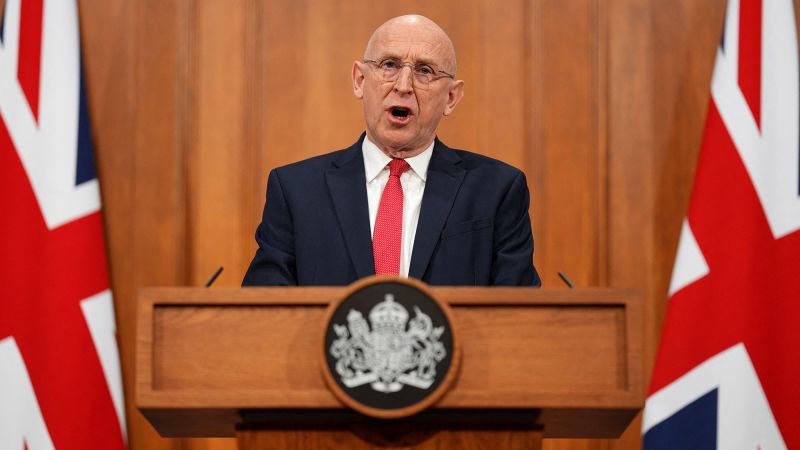
Saudi Arabia turns to Muslim military heavyweights in landmark defense pact as Iran war closes in

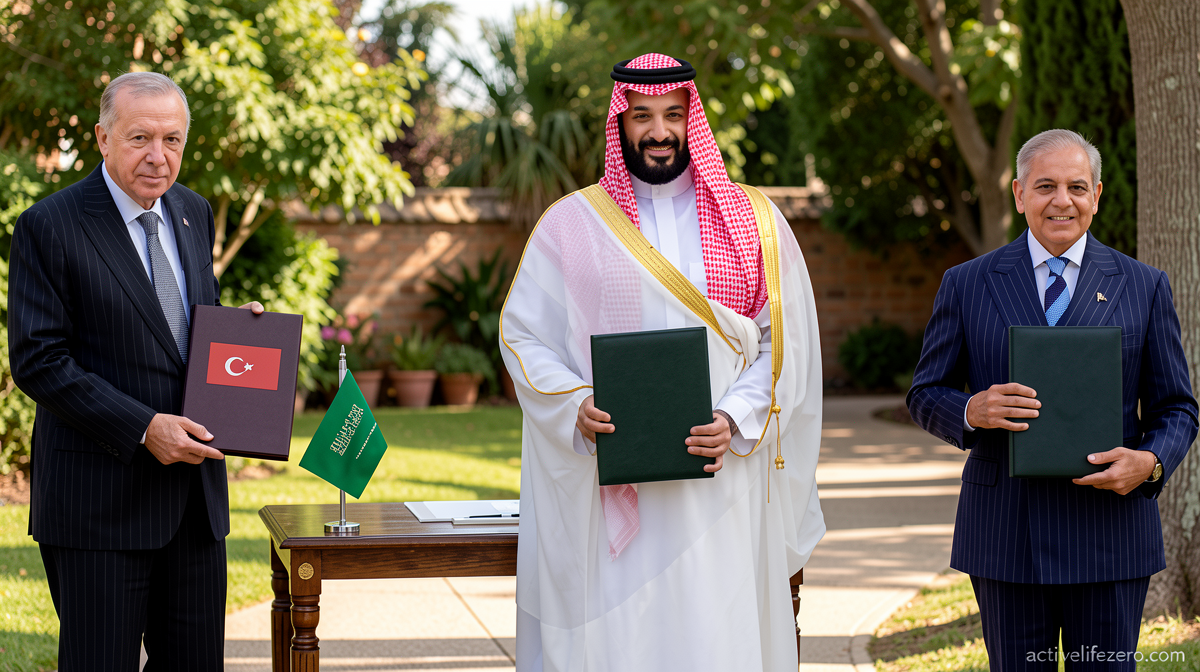
Saudi Arabia Turns to Muslim Military Powers in Historic Defense Deal
Activelifezero.com – Saudi Arabia turns to Muslim military allies in a landmark agreement that reshapes Middle Eastern security. The kingdom, Pakistan, and Turkey signed a mutual defense pact in Mecca on Friday, pledging to treat any attack on one member as an attack on all three. This alliance comes as Iran tensions mount and Riyadh seeks to broaden its security partnerships beyond Washington.
Building a Regional Shield
The new treaty creates binding commitments among the three nations. Any aggression against one signatory automatically triggers collective response. While official statements highlight enhanced defense cooperation, the practical impact is significant. Pakistan and Turkey now face potential military obligations in conflicts they previously avoided.
Riyadh’s decision reflects growing doubts about American commitment to Gulf security. Despite decades of partnership, regional analysts question whether Washington can reliably protect its allies amid changing global priorities. This arrangement supplements rather than replaces Saudi Arabia’s relationship with the United States.
Unprecedented Military Strength
The alliance brings formidable capabilities to the table. Turkey commands the second-largest NATO military force after the United States. Pakistan remains the only Muslim country with nuclear weapons, providing strategic deterrence unmatched in the region. Together, these nations form a powerful Sunni-led coalition facing what officials call increasing Iranian pressure.
“This pact does not aim at any particular country,” a Turkish representative told CNN, emphasizing the non-sectarian nature of the agreement.
Both Turkish and Saudi leaders have stressed the arrangement is not sectarian or targeted. Saudi Arabia’s foreign ministry clarified that the pact does not create a military axis. A Turkish official suggested other regional nations could eventually join, potentially expanding the framework like NATO historically did.
Shared Borders with Iran
Pakistan and Turkey both border Iran, giving them direct stakes in regional stability. Pakistan must balance its large Shiite population with diplomatic ties to Tehran. Turkey and Iran, despite competing across multiple fronts, share concerns about Kurdish separatist movements crossing their borders.
During the ongoing conflict, Iran has repeatedly struck Saudi facilities including civilian sites, energy installations, and American interests. While direct Iranian attacks on Saudi territory dropped after an April 8 ceasefire, Iran-backed militias in Yemen and Iraq continue their campaigns.
Preparing for Greater Conflict
Riyadh has emerged as a leading voice against the broader war, working to moderate President Donald Trump’s stance toward Iran. Yet persistent multi-directional attacks have raised alarms. A Saudi official told CNN on Thursday that preparations continue for a major coordinated offensive by Iran-aligned militias in Iraq and Yemen, supported by the Islamic Revolutionary Guard Corps.
Reports suggest Tehran has warned Gulf states that renewed American military action would trigger retaliatory strikes against regional energy and desalination infrastructure. The Mecca agreement thus serves dual purposes as both defensive commitment and deterrent message.
Global Response and Future Outlook
Iran’s reaction has been sharply critical. Ebrahim Rezaei, a member of parliament’s National Security and Foreign Policy Committee, questioned the pact’s value. He argued through social media that a paper agreement with Turkey and Pakistan cannot guarantee Saudi security, comparing it to decades of similar arrangements.
The alliance represents more than military cooperation—it signals a new era of Muslim solidarity in defense matters. As regional tensions persist, this partnership may prove crucial in maintaining stability across the Middle East.
Frequently Asked Questions
When was the Saudi Arabia defense pact signed? The agreement was formalized on Friday in Mecca, bringing together Saudi Arabia, Pakistan, and Turkey in a comprehensive mutual defense arrangement.
What does the pact require from member nations? Any attack directed at one signatory is considered an attack on all three, creating automatic collective response obligations.
How does this affect Saudi Arabia’s relationship with the United States? The alliance supplements rather than replaces Saudi Arabia’s longstanding partnership with Washington, providing additional security coverage.
Why is Iran concerned about this agreement? Both Pakistan and Turkey share borders with Iran, and the combined military strength creates a formidable coalition that could counter Iranian regional influence.
Could other countries join this alliance? A Turkish official indicated that other regional nations could eventually join the framework, suggesting potential for expansion similar to NATO’s historical growth.