
Two top UK defense officials resign over military spending in fresh blow to Keir Starmer
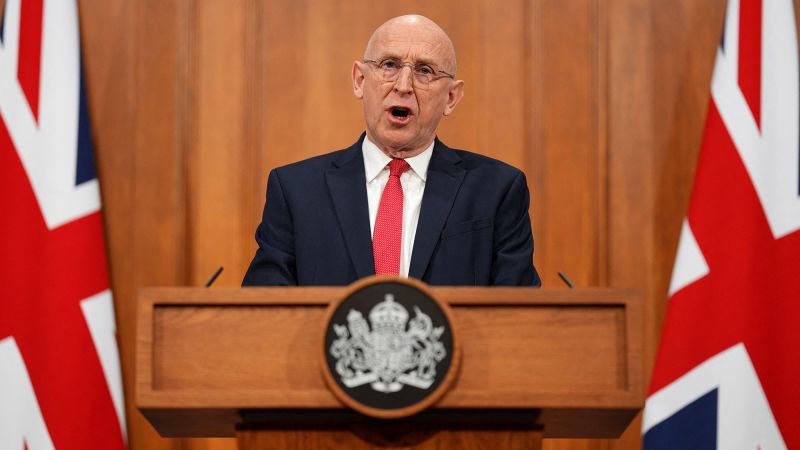
UK Defense Resignations Signal Growing Concerns Over Military Funding
Two top UK defense officials resign – On Thursday, UK Prime Minister Keir Starmer faced mounting pressure as two senior defense officials, Secretary of Defense John Healey and Minister of State for the Armed Forces Al Carns, announced their resignations. The move, which follows a series of internal disputes, has raised questions about the government’s commitment to bolstering the military amid escalating global tensions.
Resignation Letters Highlight Resource Disputes
Healey’s letter, shared on social media platform X, emphasized that the current defense budget “falls well short of what is required for defence and the country at this dangerous time.” He argued that the government is not providing the necessary resources for the armed forces to meet modern challenges. Shortly after, Carns echoed similar concerns, stating in his own letter that the “character of conflict is changing faster than our procurement can keep up with.” The former Royal Marine added that the military is being asked to operate in a “more dangerous world” while still relying on a “budget written for a calmer one.”
The resignations come as Starmer’s government grapples with declining popularity, just two years after securing a decisive victory in the 2024 general election. Within his Labour Party, there has been growing frustration over the pace of defense spending increases. Healey’s departure marks a significant setback for Starmer, who has already faced criticism for his handling of economic policy and domestic issues.
Starmer Defends Defense Funding Strategy
In response, Starmer published a letter reaffirming his government’s stance on defense spending. He highlighted the UK’s leadership role in supporting Ukraine and its Gulf allies, as well as efforts to secure the strategic Strait of Hormuz. “I am proud of our record on funding,” he wrote, noting that the defense budget has seen the highest sustained increase since the Cold War. Starmer attributed this to decisions made when his party took office in 2024, despite earlier cuts to international aid.
He argued that the Defense Investment Plan is designed to “increase defense spending in a sustainable way,” balancing military needs with economic priorities. “Taking these decisions is never easy,” he acknowledged, but insisted the plan ensures funds are “spent wisely and used to back jobs and growth here in Britain.” The prime minister also noted that the increased spending will require “significant reallocations of funding” across government departments, a shift that has drawn both support and skepticism.
Broader Context of NATO Pressures
The resignations coincide with the UK’s push to meet NATO’s defense spending targets. The government has long been urged to allocate more resources to the armed forces to prepare for potential confrontations with Russia. Healey pointed out that recent intelligence assessments suggest Russia may be ready to attack NATO countries as early as 2030, underscoring the urgency of the situation. “You have been unable, and the Treasury has been unwilling, to commit the resources that the nation needs to defend the country at this time of rising threats,” he wrote, referencing Starmer’s pledge to reach 3.5% of GDP in defense spending by 2025.
Starmer’s defense policy has been a focal point of political debate, with critics arguing that the plan lacks the urgency required to address current threats. The prime minister, however, has maintained that the strategy is both necessary and prudent, aiming to strengthen the armed forces without compromising broader economic goals. His latest defense statement includes references to the UK’s role in international coalitions and strategic partnerships, framing the spending increase as a vital investment in national security.
Leadership Challenges and Political Implications
Starmer’s government is now under further scrutiny as the resignations cast doubt on its ability to manage defense priorities effectively. The loss of Healey and Carns, two key figures in the defense sector, has amplified concerns within Labour. With recent local election results proving disastrous for the party, many members have called for Starmer to step down, citing his perceived indecision on critical issues.
The upcoming by-election in Makerfield, northwest England, is a pivotal moment for Starmer. His arch-rival, Manchester Mayor Andy Burnham, is running in the contest, and a victory for Burnham could spark a leadership challenge within Labour. The resignations may also influence public opinion, as voters weigh the government’s ability to deliver on its promises. Starmer’s defense team, including new appointments like Dan Jarvis, will be under pressure to restore confidence in the plan’s feasibility.
Former NATO Chief Warns of National Peril
Adding to the pressure, a former NATO chief warned that Starmer’s complacency on defense could leave the UK “in peril.” The statement came as the government prepares to unveil its long-awaited plans for a defense overhaul, which have been delayed multiple times due to internal disagreements. The proposed funding framework is expected to be finalized before the NATO summit next week, a key event for discussing collective security strategies.
Starmer’s team has emphasized that the Defense Investment Plan is a comprehensive approach to modernizing the military. However, the plan’s delays and the resignations of high-profile officials have raised doubts about its implementation. The prime minister has also faced criticism for not aligning his defense spending with the escalating risks posed by global conflicts, particularly in the context of Russia’s military buildup and the potential for a new war in Europe.
In his letter to Healey, Starmer expressed gratitude for the former secretary’s contributions, stating, “I will always do what is needed to keep our country safe.” He framed the resignations as a necessary part of the process to “rebuild our country after years of being buffeted by crises.” Despite the loss of key allies, Starmer remains determined to push forward with his vision for defense reform, even as the government’s credibility is tested.
As the UK prepares for the NATO summit, the timing of these resignations adds complexity to the political landscape. The government’s ability to secure consensus on its defense strategy will be crucial in demonstrating its commitment to national security. Meanwhile, Starmer’s leadership continues to be evaluated, with his coalition’s support waning and the opposition capitalizing on the situation.
Starmer’s defense spending plan has been a central pillar of his administration’s agenda, aiming to restore the UK’s military capabilities and assert its role in international affairs. However, the resignations of Healey and Carns, coupled with the delays in funding announcements, have underscored the challenges of balancing competing priorities in a time of geopolitical uncertainty.
The pressure on Starmer is not only from within his party but also from external sources, including NATO allies and military experts. With the UK’s defense budget remaining a contentious issue, the prime minister must navigate a delicate path to reassure both the public and the armed forces that the nation’s security is a top priority. The upcoming by-election in Makerfield may serve as a turning point, determining whether Starmer can retain his position or if the leadership crisis will escalate.
As the government moves forward, the resignations of Healey and Carns highlight the importance of maintaining strong leadership in the defense sector. Their departure leaves a void that could be filled by new appointees, but the challenge remains for Starmer to unify his team and deliver on the promises that have become central to his political survival.
