
Prosecutors say he sparked the Palisades Fire and was ‘fixated’ on Luigi Mangione. Now Jonathan Rinderknecht heads to trial
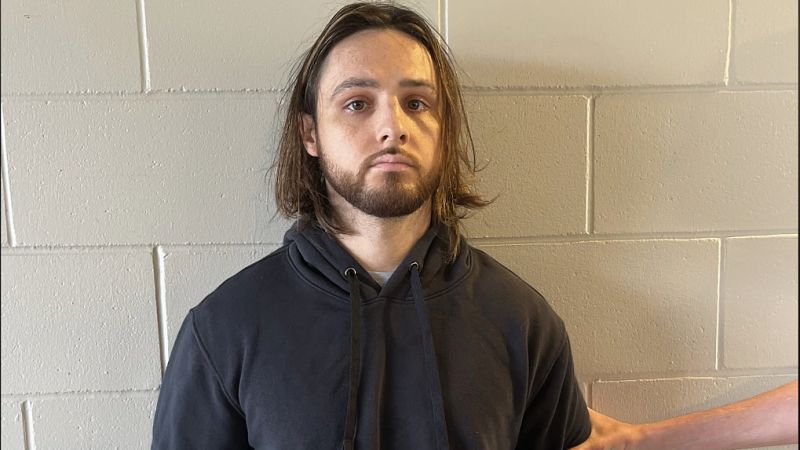
Jonathan Rinderknecht Faces Trial Over Palisades Fire Allegations
Prosecutors say he sparked the Palisades – Federal prosecutors are set to present their case against Jonathan Rinderknecht this week in Los Angeles, as the trial for the Palisades Fire enters its next phase. The blaze, which occurred on January 7, 2025, and resulted in the deaths of twelve individuals and the destruction of thousands of properties, is now linked to Rinderknecht, who is accused of intentionally igniting the fire. The trial will focus on whether Rinderknecht’s actions were motivated by a personal fixation on Luigi Mangione, the suspect in the UnitedHealthcare CEO killing, and his broader dissatisfaction with wealth and power.
Fire’s Origins and Prosecutors’ Claims
According to the trial memorandum, Rinderknecht’s obsession with fire-setting behavior began as the Lachman Fire on January 1, 2025. Prosecutors allege that this initial blaze, which initially appeared to be a small incident, continued burning underground before resurfacing as the Palisades Fire. The connection between the two events remains a central point of contention in the case, with authorities claiming that Rinderknecht’s actions were the catalyst for the larger disaster.
Rinderknecht, who was arrested in October 2025, is said to have been singularly focused on the idea of “a city going up in flames” during the days leading up to the Palisades Fire. Surveillance footage and witness accounts detail his erratic behavior, including repeated viewing of a rap video that depicted objects being set ablaze. Prosecutors argue that this video was a significant indicator of his mental state and intent, though the judge recently ruled that the “dystopian” images generated by ChatGPT cannot be used as evidence in the trial.
Fixation on Luigi Mangione and Motive
A key element of the prosecution’s case is Rinderknecht’s alleged fixation on Luigi Mangione, the man charged with shooting and killing UnitedHealthcare CEO Brian Thompson in Manhattan just over a month before the Palisades Fire. Prosecutors draw parallels between the two cases, suggesting that Rinderknecht’s actions were driven by a desire for revenge against wealthy individuals. This theory is supported by his online activity, which included searches for Mangione-related news and phrases like “free Luigi Mangione” and “Reddit lets kill all the billionaires.”
“By focusing on Rinderknecht’s alleged ‘fixation’ with Luigi Mangione, prosecutors are drawing parallels to an extremely high-profile case in which a defendant is alleged to have committed a crime as payback to wealthy people they believe have taken advantage of those less fortunate,” said Josh Campbell, a CNN senior correspondent and former FBI special agent.
Rinderknecht’s attorneys argue that the link between the suspect and the Palisades Fire was not established until eight months after the initial blaze. In a court filing, they note that investigators initially disclaimed any connection between Rinderknecht and the fire, as search warrants on potential suspects did not yield evidence tying him to the incident. “When the trail went cold, the nexus was claimed,” his legal team wrote, highlighting the timeline discrepancy in the case’s development.
Uber Driver’s Role and Behavioral Clues
Rinderknecht was employed as an Uber driver in the Pacific Palisades area on December 31, 2024, and January 1, 2025. Prosecutors claim he was frustrated by his inability to make plans or find companionship on New Year’s Eve, a sentiment he reportedly expressed to passengers. Several witnesses described him as “angry, intense, and ranting about being pissed off at the world” during his final ride, according to the trial documents.
After dropping off his last passenger, Rinderknecht hiked up a nearby trail and recorded video on his phone. Surveillance footage shows him lighting the fire around 12:12 a.m. on January 1, 2025, and subsequently monitoring its progression. He attempted to call emergency services multiple times before leaving the scene, only to return later and film the firefight. This sequence of events has been presented as evidence of premeditation and a clear intent to cause widespread damage.
Legal Defense and Trial Strategy
Steven Haney, Rinderknecht’s attorney, emphasized that the trial evidence will offer a different perspective on the case. In an emailed statement to CNN, he criticized the government’s pretrial narrative, stating it was “woefully slanted.” “Jonathan did not commit the crime he is charged with,” Haney argued, suggesting that the prosecutors’ case relies heavily on circumstantial connections rather than concrete proof.
The defense is also challenging the use of ChatGPT-generated images as part of the evidence, which prosecutors claim depict Rinderknecht’s psychological state. However, the judge’s decision to exclude these images has left the prosecution with fewer tools to demonstrate motive. Haney’s team maintains that Rinderknecht’s obsession with fire was a separate issue from his alleged fixation on Mangione, arguing that the two themes were conflated without sufficient evidence.
Impact of the Fire and Broader Implications
The Palisades Fire, which erupted just hours after the New Year’s Day, became one of the most devastating wildfires in the region’s history. Its spread through residential areas and businesses left a trail of destruction, prompting questions about how such a large blaze could have originated from what was initially a minor fire. Prosecutors contend that Rinderknecht’s actions, though seemingly small at first, escalated into a catastrophic event, underscoring his potential for calculated violence.
Rinderknecht’s case is not only about the fire itself but also about the broader narrative of resentment against wealth and capitalism. His ranting about “the rich enjoying their money” and the phrase “we’re basically being enslaved by them” has been interpreted as a motive for the arson. This aligns with the prosecution’s argument that his fixation on Mangione was a reflection of a deeper ideological stance, rather than a random act of violence.
With jury selection scheduled for Monday, the trial is poised to reveal the full scope of Rinderknecht’s alleged actions and the evidence supporting the government’s case. If convicted, he faces a minimum of five years and a maximum of 45 years in federal prison, depending on the severity of the charges. The outcome of the trial could have significant implications for future cases involving fire-setting behavior and motive-driven crimes, setting a precedent for how such cases are framed and prosecuted.
As the trial unfolds, the focus will remain on whether Rinderknecht’s personal grievances, including his disdain for wealth and his admiration for Mangione’s actions, were enough to establish his guilt. The defense will likely emphasize the lack of direct evidence linking him to the fire, while the prosecution will argue that the circumstantial links are compelling and unavoidable. The case serves as a microcosm of how individual anger and broader societal issues can converge in a single, devastating act of violence.
Rinderknecht’s trial also highlights the challenges of proving motive in criminal cases. While his alleged obsession with fire and his fixation on Mangione are central to the prosecution’s argument, the defense will need to counter these claims with alternative explanations for his behavior. The jury will be tasked with weighing the evidence, the testimonies, and the interpretations of motive, ultimately deciding the fate of a man accused of igniting a fire that changed the lives of many in the Pacific Palisades community.
