
Scott Pelley speaks: ‘CBS News is on fire’ and Bari Weiss should be removed
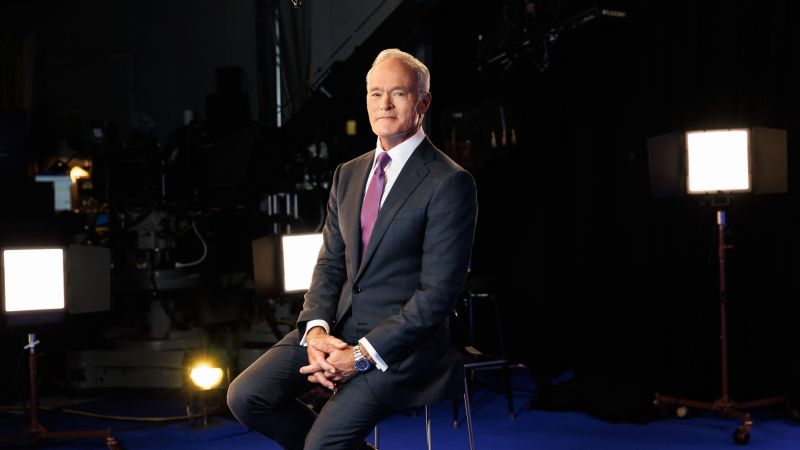
Scott Pelley’s Outspoken Critique of CBS News Leadership Sparks Debate
Scott Pelley speaks – Scott Pelley, the former anchor of CBS News’ flagship program 60 Minutes, has publicly criticized the network’s leadership, claiming that the news division is experiencing a crisis of credibility. In a recent interview with *The New York Times*, Pelley stated that the organization is “on fire” and suggested that editor in chief Bari Weiss should be removed from her position. His remarks, made just days after his dismissal from CBS, highlight a growing rift within the network and raise questions about the direction of its flagship show.
A Shift in Tone and Direction
During the interview, Pelley accused Weiss of exerting undue political influence in favor of the Trump administration, particularly during the latest season of 60 Minutes. He argued that the show’s leadership was prioritizing partisan alignment over journalistic integrity. “My hope is that the leadership of Paramount will say to themselves, this isn’t working,” Pelley said, signaling his belief that the network’s top executives are complicit in the current state of affairs. This claim comes amid a broader conversation about the role of media in shaping public perception of political figures.
“My hope is that the leadership of Paramount will say to themselves, this isn’t working.”
Despite Pelley’s assertions, a CBS News spokesperson defended Weiss, stating that his arguments lack credibility. The representative emphasized that there is no evidence of political interference at the news organization, asserting that its editorial independence remains intact. However, Pelley’s critique has intensified as he accuses the leadership of incompetence, suggesting that the network’s failure to adapt to a changing media landscape is the real issue.
The Controversial Housecleaning
Pelley’s comments coincide with a significant shakeup at 60 Minutes. At the end of May, Weiss orchestrated the firing of several high-profile figures, including executive producer Tanya Simon and two correspondents, Cecilia Vega and Sharyn Alfonsi. Simon, who has remained silent on the matter, described the abrupt change as “completely blindsided by this,” according to Pelley. While the moves were expected to modernize the show, they have left the staff in disarray, with Pelley calling them “heartbroken.”
As part of her restructuring efforts, Weiss appointed Nick Bilton, a former tech reporter, to oversee the program. Bilton’s appointment has been seen as a bid to inject fresh perspectives into the show, but it has also deepened tensions. Pelley, who had been vocal about his concerns during a heated staff meeting last Monday, accused Weiss of lacking the qualifications to lead the news division. He also challenged Bilton’s competency, arguing that his leadership style is not aligned with the show’s long-standing traditions.
“Pelley described Weiss as ‘unqualified’ and challenged Bilton’s competency, as well.”
Following the meeting, Pelley was terminated the next day. Bilton justified the decision by citing Pelley’s “performative display of hostility,” which he claimed demonstrated a lack of willingness to collaborate with the new leadership. “You have no interest in contributing to the future success of the show, or approaching my new tenure with a mind open to collaboration and progress,” Bilton reportedly said.
Clashing Visions for the Future
While Pelley emphasizes the importance of maintaining the show’s traditional strengths—such as in-depth investigative reporting and hard-hitting interviews—Weiss advocates for a more dynamic approach. She has argued that the current team is resistant to change and failing to meet the demands of a digital-first audience. “We’re there. We’re everywhere,” Pelley stated, highlighting his own efforts to embrace new formats, such as shooting TikTok verticals on every assignment. This contradiction underscores the broader debate within the network about how to balance legacy with innovation.
Some 60 Minutes veterans have questioned Weiss’s decision to overhaul the program, pointing to its recent success in the ratings. Pelley noted that the show experienced a 9% growth in viewership during the past season, a figure he called “unheard-of in broadcast television.” However, he also pointed out that CBS’s NFL regular season broadcasts saw an even greater increase of 11%, which likely contributed to 60 Minutes’ overall ratings boost. This highlights the challenges of attributing success solely to the show’s leadership or content.
Weiss has defended her approach, stating that her goal is to preserve the show’s core identity while ensuring its relevance in a rapidly evolving media environment. “That ’60 Minutes’ — and its DNA of hard-hitting interviews, probing investigations, deep journalism — is built to survive a changing media landscape,” a source close to Weiss explained. This vision contrasts with the sentiment of some longtime staff members, who feel that the show’s insular culture is being eroded by external management.
Political Ties and Media Evolution
The controversy is further complicated by CBS’s relationship with the Trump administration. As the parent company of Paramount, CBS has sought to maintain a close alliance with former President Donald Trump, even as it pursued the acquisition of Warner Bros. Discovery, which includes CNN. This political alignment has fueled accusations that the network is softening its content to align with Trump’s messaging, a claim that has been dismissed by CBS spokespeople.
“CBS parent company Paramount has sought a close relationship with President Donald Trump while seeking the Trump administration’s approval to buy Warner Bros. Discovery, which includes CNN.”
Pelley, now a vocal critic of the network’s direction, has echoed these concerns, suggesting that the show’s leadership is pushing a subtle political bias. His frustration stems from what he perceives as a disconnect between the network’s editorial vision and its commitment to journalistic objectivity. “There’s a subtle political bias” being promoted by management, he said, framing the issue as one of ideological influence rather than mere administrative changes.
As the dust settles from the recent upheaval, the future of 60 Minutes remains uncertain. The show, which has long been a staple of American television, now finds itself at a crossroads. While Weiss and her team argue that the changes are necessary for survival, others, including Pelley, contend that the show’s identity is at risk. The debate continues, with both sides asserting their commitment to the program’s legacy and its future potential.
Legacy vs. Innovation: A New Era for CBS News
With Pelley’s departure and Weiss’s leadership, the question of whether 60 Minutes can retain its legacy while adapting to modern demands has taken center stage. The show’s history of experimentation, including its 2010 launch of the online series 60 Minutes Overtime, suggests a willingness to evolve. However, some staff members believe that the current leadership’s approach is too radical, undermining the show’s established strengths.
“Weiss has shown little interest in the newsmagazine’s history of experimentation,” said one insider, underscoring the tension between honoring the show’s past and embracing new strategies. Her management team, composed largely of outsiders, has expressed surprise at the outdated aspects of the network’s operations. This has led to a culture of rapid change, with Pelley’s recent interview serving as a reminder of the stakes involved in this transformation.
As the controversy unfolds, the battle between Weiss and the 60 Minutes staff continues to shape the network’s future. The program’s reputation for independence and integrity, which has been a cornerstone of its success, now faces scrutiny. Whether this internal conflict signals a new era of innovation or a decline in journalistic standards remains to be seen. For now, Pelley’s words carry weight, as they reflect the concerns of those who fear the show’s legacy is being compromised in the pursuit of progress.
