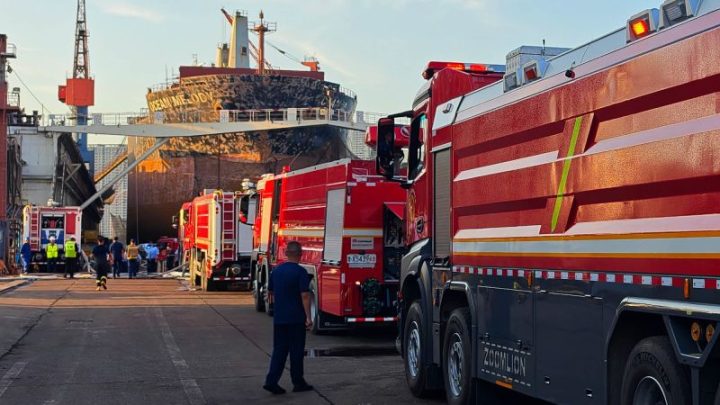
Mysterious bomb-dropping drones sank their fishing boats, survivors say. Who was behind the attacks?

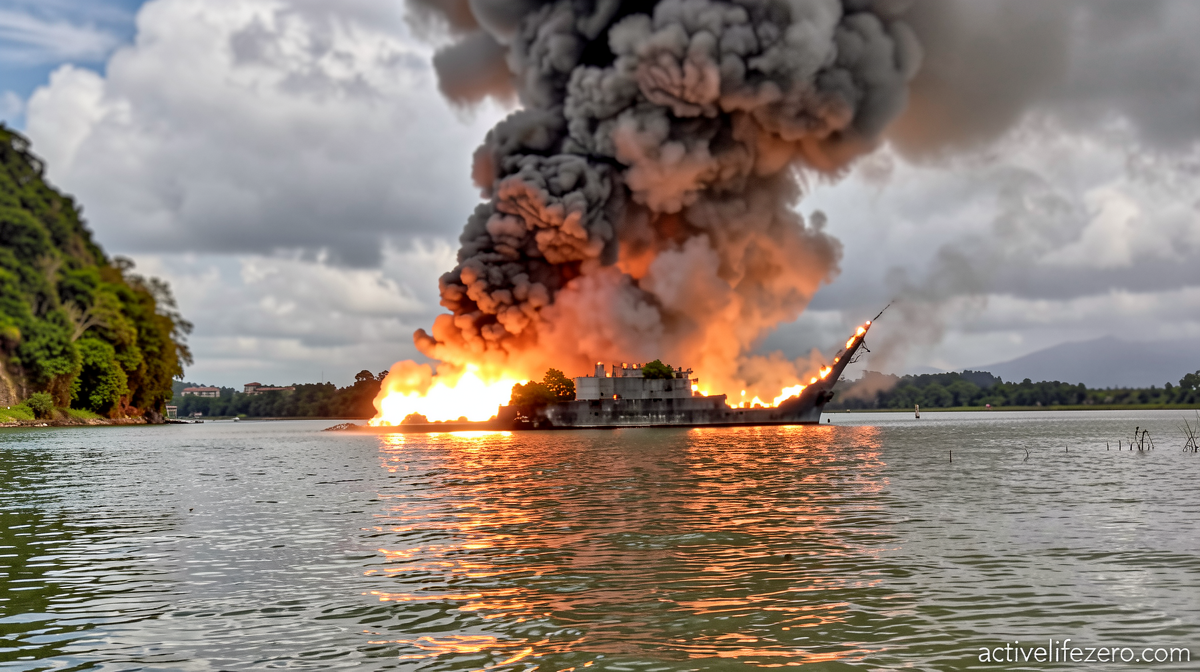
Mysterious Bomb-Dropping Drones Sank Ecuadorian Boats
Activelifezero.com – Two Ecuadorian fishing crews say mysterious bomb dropping drones sank their vessels in open Pacific waters roughly 170 miles southwest of the Galápagos Islands. In March, small explosive-laden drones launched by armed strangers struck the La Negra Francisca Duarte II and, nine days later, the Don Maca. Survivors report burns, shattered bones, and permanent hearing loss. The question that lingers is who ordered the strikes and why.
Washington has taken notice. The Washington Post published a report this week alleging the attacks were carried out under a covert Central Intelligence Agency program. CNN contacted the agency for comment. A CIA spokesperson replied only, “We do not have any guidance to offer on this.” No further explanation followed.
First Strike: La Negra Francisca, March 17
Hernán Flores, captain of the La Negra Francisca Duarte II and leader of a 16-person crew, was days into a routine Pacific fishing run when the situation shifted. A blue vessel appeared on the horizon, and small drones kept a distant watch overhead. No one aboard assumed they were targets. Work carried on.
Then the sky delivered its payload without warning.
“We heard the explosion – boom! It was the kind of blast that left my ears ringing. Right then, I felt blood running down me,” Flores recalled.
One drone crashed directly onto the boat’s gas tanks and detonated on impact. A second appears to have dropped an explosive device. The collision badly injured the foot of Flores’s nephew, Jordyn. Flames from the blast seared the upper half of another crewmate’s back, according to Jorge Chiriboga Dávalos, the crew’s attorney, who shared photographs of the wounds.
The vessel was abandoned. Hours later, another fishing crew arrived and recorded video of the La Negra Francisca engulfed in flames. That crew logged the burning ship’s position at coordinates 1.591783, -87.741783 — well inside Ecuador’s exclusive economic zone. A National Oceanic and Atmospheric Administration satellite independently detected a thermal signature at that location on March 17 at 3:02 p.m., consistent with the timing of the first strike.
Second Strike: Don Maca, March 26
Nine days later, a second Ecuadorian vessel met an almost identical fate. The Don Maca, carrying 20 crew members, was hit by drones in what survivors described as a near-mirror of the earlier attack. Mysterious bomb dropping drones sank the Don Maca after additional strikes were carried out to ensure the vessel went under before the attackers departed with the survivors aboard their own craft.
“I went flying and slammed into a diesel tank that was sitting there,” Jaime Rubén Cervantes Macías, one of the Don Maca’s crew, remembered. “People were shouting, ‘Drone, drone, drone!’ So, I jumped up quickly to take a look – and it was a drone firing at us, dropping the bomb on us.”
Crewmate John Sebastián Palacios said the concussive force of the blasts damaged his hearing. Another fisherman reported losing most of the vision in his left eye.
The Blue Ship, the Armed Men, and a Gray Aircraft
After each attack, both crews abandoned their damaged boats, transferred to smaller auxiliary craft, and rowed toward the blue ship they had spotted days earlier. Chiriboga Dávalos has called the vessel a “ghost ship” — a craft bearing no visible markings and offering no explanation for its presence in Ecuadorian waters.
When the survivors reached it, armed men aboard pointed rifles at them. Only after some fishermen indicated they were wounded did the men allow the groups to board. Once on deck, the fishermen were detained and interrogated. In the Don Maca case, the armed men then executed further explosive strikes against the sinking vessel before sailing away with the survivors.
At some point during both incidents, the crews reported seeing a separate gray aircraft circling above. Flores described it as a “mini plane” with long wings. A sketch he drew showed a bulbous nose tapering toward the fuselage. Public flight records, first surfaced by the New York Times and later confirmed by CNN, indicate that a plane registered to a company whose listed address is a private mailbox at a United Parcel Service store in Richmond, Virginia, was patrolling the area near the boats’ last recorded positions around the time of the attacks.
What the Drones Looked Like
Both crews described the drones in remarkably similar terms: roughly the size of a pillow, with rotors mounted at all four corners and a central tube from which the explosives were released. Mysterious bomb dropping drones sank both vessels using this same compact design, underscoring how little the two crews had seen before the blasts arrived.
Frequently Asked Questions
Where did the drone attacks take place?
The strikes occurred in Ecuador’s exclusive economic zone, approximately 170 miles southwest of the Galápagos Islands. The first recorded position of the burning La Negra Francisca was logged at coordinates 1.591783, -87.741783.
Who has been identified as responsible?
No individual or agency has been publicly confirmed. The Washington Post reported the strikes were executed under a covert CIA program, but the CIA declined to comment beyond stating it had “no guidance to offer.” The armed men aboard the unmarked blue ship have not been identified by name.
How many people were aboard each vessel?
The La Negra Francisca Duarte II carried a 16-person crew under captain Hernán Flores. The Don Maca carried 20 crew members. Survivors from both vessels reported injuries ranging from burns and shattered bones to permanent hearing and vision loss.
Is there independent verification of the attacks?
Yes. A NOAA satellite detected a thermal signature at the reported location on March 17 at 3:02 p.m. Additionally, another fishing crew arrived within hours of the first strike and recorded video of the burning vessel. Public flight records corroborate the presence of an unmarked aircraft in the area around the time of both incidents.