El Niño-caused drought in Panama is likely to raise prices on everything from medicine to fuel

Daftar Isi
Panama Canal Drought Fueled by Record-Breaking El Niño Is Pushing Costs Into Every Corner of the Supply Chain
Activelifezero.com – Shoppers at grocery stores, pharmacies, and gas stations across the United States may soon notice price tags creeping upward — and the culprit is not a tariff or a factory strike. It is a weather pattern. An unusually powerful El Niño, now officially underway, is draining the freshwater reserves that keep the Panama Canal operational, forcing shipping lines to slash cargo capacity, cut daily transits, and levy new surcharges. The financial shock is already rippling outward from the waterway toward the end consumer.
The Bottleneck at the Pacific End
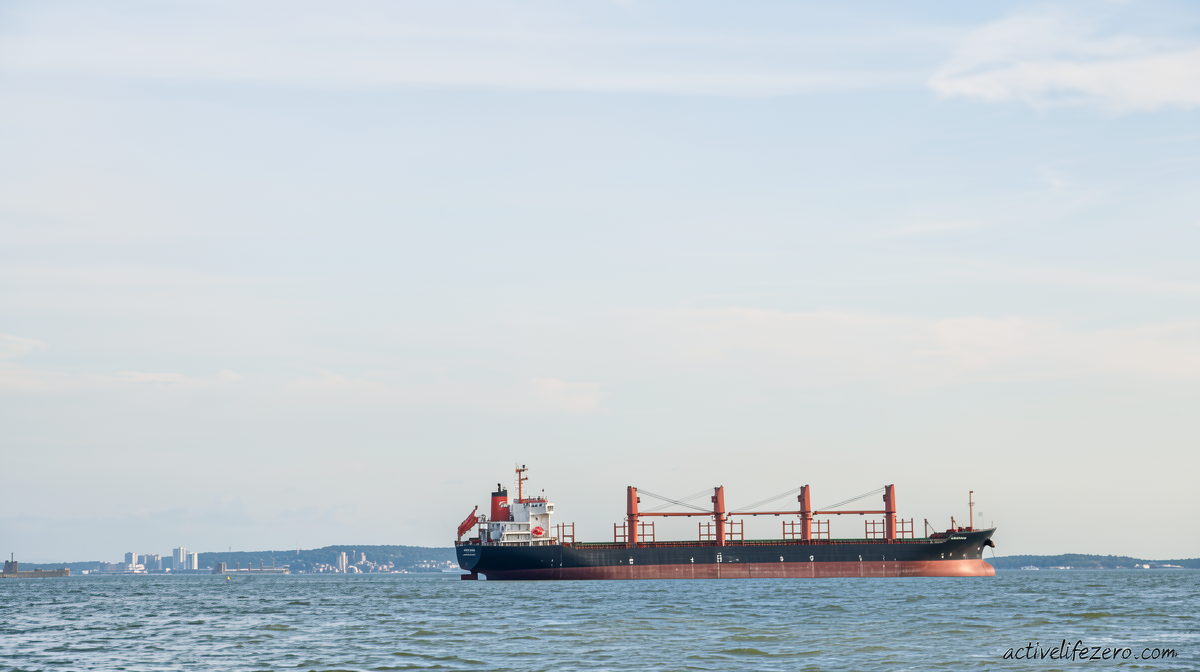
By early August, the queue of vessels idling outside the canal’s Pacific entrance had grown to dozens of ships. Several had been waiting longer than a week; one chemical tanker had been stranded for more than a month. The situation reached a flashpoint on August 10, when a large container vessel paid roughly $4 million to jump the line and complete its transit ahead of everyone else. Logistics firm Flexport, which had 30 containers loaded on that particular ship, noted that the Pacific-side backlog had reached its worst level since May, when transit delays first spiked amid the conflict over the Strait of Hormuz.
What made the August congestion different from the spring episode was the introduction of a climatic multiplier. The commercial stress that had been building since the Hormuz disruption was now being compounded by an El Niño event that forecasters expect to rank among the strongest ever recorded.
“The ripple effects are significant through supply chains and all the way to consumer prices at stores,” said Benjamin Gedan, senior fellow and director of the Latin American program at the nonpartisan Stimson Center.
How El Niño Starves the Canal
The Panama Canal is a 50-mile artificial waterway slicing through the narrow Central American isthmus, linking the Atlantic and Pacific oceans and shaving days of sailing time from transoceanic routes. Roughly 5 percent of global maritime trade transits the canal each year, and the United States accounts for about 70 percent of all cargo moving through it. Ships cross the isthmus via a series of locks — essentially water-filled chambers that elevate or lower a vessel in stages, much like a staircase for ocean-going hulls.
Those locks depend on a steady supply of freshwater drawn from Lake Gatun. During the severe droughts Panama endured under the 2023 and 2024 El Niños, the lake’s water level fell to historic lows, and canal operators were forced to cut daily transits from 36 vessels to 24. The current episode threatens to repeat that squeeze.
Panama’s wet season, which normally runs from May through December, was supposed to replenish the lake. Instead, the new El Niño — officially declared by the U.S. National Oceanic and Atmospheric Administration in June and projected to peak between October and December — has inverted the seasonal rhythm. Rainfall that should be arriving is being withheld from the canal watershed while being dumped elsewhere.
The numbers underscore the severity. Panama City has received only 75 percent of its average rainfall since May 1. The western city of David has logged just 60 percent of its 90-day average. Across the entire canal watershed, cumulative precipitation since May has run 34 percent below the historical norm, according to figures released by the Panama Canal Authority on Thursday.
Draft Limits, Fewer Transits, Higher Fees
With less water available, the canal authority has begun tightening operational parameters. In September, a maximum draft of 48 feet will replace the standard 50-foot allowance. Draft measures the vertical distance from the waterline to the keel; a lower limit means ships must lighten their loads before entering the locks. Canal officials have signaled that an additional downward revision is likely to follow shortly.
Less cargo per transit translates directly into fewer goods moving per day, which in turn raises the per-unit cost of shipping. Mediterranean Shipping Company (MSC) made that connection explicit on August 12, announcing an increase to its Panama Canal surcharge — a fee levied on container vessels to offset the added costs of transiting the waterway under constrained conditions. The hike takes effect September 12 and will remain in force “until further notice.” It applies to container shipments originating in Southeast Asia, China, South Korea, and Japan and destined for the U.S. East Coast and Gulf Coast.
Beyond draft restrictions, the authority has also trimmed the daily transit quota. Starting September 4, only 34 vessels per day will be cleared through the canal, dropping further to 32 by September 15. Analysts caution that while these cuts are milder than the reductions imposed during the 2023–2024 drought years, they will deepen the existing backlog and push transit fees higher.
“The potential is still there to get worse,” said Henry Ziemer, Americas Program fellow at the Center for Strategic and International Studies (CSIS).
What Consumers Should Expect
The economics are straightforward. When fewer ships carry less cargo through the world’s most important shortcut between two oceans, freight rates climb. Shipping lines pass those costs to importers, importers pass them to retailers, and retailers pass them to the checkout counter. Medicine, fuel, electronics, agricultural inputs, and virtually every imported commodity become marginally more expensive. The effect is not a single overnight spike but a sustained upward pressure that compounds with each additional week of reduced capacity.
The situation is further complicated by the canal’s auction-slot mechanism, under which operators can bid for priority transits when demand outstrips supply. In a constrained-water environment, those auction prices escalate rapidly, adding another layer of cost that ultimately lands on the buyer.
For now, the full magnitude of the price impact remains uncertain. It will depend on how long the El Niño persists, how far Lake Gatun’s level continues to fall, and whether the canal authority is compelled to impose still tighter restrictions. What is clear is that the climate event now playing out over the Pacific basin has become a direct input variable in the cost structure of global trade — and that variable is trending in the wrong direction for anyone who buys goods at a store.
Related Reading
Frequently Asked Questions
What is El Niño caused drought in Panama?
El Niño caused drought in Panama is the main topic of this guide. The article explains the context, practical details, and next steps readers should understand.
Why does El Niño caused drought in Panama matter?
El Niño caused drought in Panama matters because readers are looking for a useful answer, not just a short summary. Good content should match search intent and help them decide what to do next.