Almost 30 years after Tupac was killed, a jury has been seated for a trial in his murder

Daftar Isi
Jury Seated in Landmark Trial Nearly Three Decades After Tupac’s Death
Activelifezero.com – After nearly thirty years of speculation, documentaries, and conspiracy theories surrounding the fatal shooting of rap icon Tupac Shakur, a jury has finally been assembled to hear the case. Twelve jurors and four alternates were chosen from over one hundred Clark County residents who were summoned from their everyday routines to a Las Vegas courtroom. The panel includes ten women and six men, representing a cross-section of ordinary citizens including a mail carrier and a self-improvement coach.
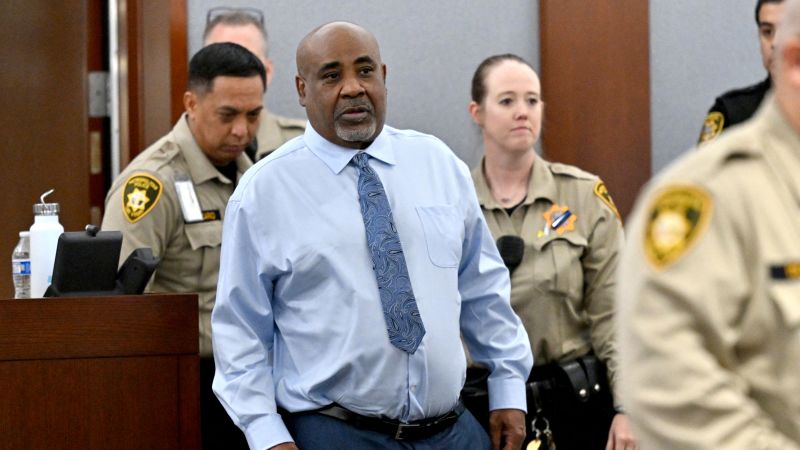
These citizens now carry the weight of potentially resolving one of hip-hop’s most enduring mysteries. At the center of the proceedings stands Duane “Keffe D” Davis, a 63-year-old man who is the sole individual to face criminal charges in connection with Shakur’s death. While many have theorized about who was responsible, Davis remains the only person formally accused.
Prosecution’s Case Against Davis
Prosecutors argue that Davis did not personally pull the trigger but rather orchestrated the entire killing. Their case relies heavily on a memoir Davis authored titled “Compton Street Legend,” along with his earlier statements to police. Although the presiding judge has determined the book functions as a work of fiction, it has been deemed admissible as evidence in the proceedings.
Davis has entered a not guilty plea to charges of first-degree murder involving a deadly weapon, with the specific intent to promote, further, or assist a criminal gang. Throughout the jury selection process, which spanned multiple days, Davis remained quiet and attentive in the courtroom, carefully following each question posed by Judge Carli Kierny and attorneys from both sides.
It’s very important that I’m here. I want fans to know I was here, still supporting Tupac.
Potential jurors were questioned extensively on subjects directly relevant to the case, including gang affiliations, firearms, rap music culture, and how memory and facts can be perceived differently over time. The questioning revealed the challenge of finding impartial jurors when the victim is such a ubiquitous figure in popular culture.
Atmosphere in the Courtroom
The courtroom on the second floor of Nevada’s eighth judicial district courthouse became a gathering place for Tupac devotees. On the first day of jury selection, which began August 10, attendees filled the space wearing Tupac shirts and displaying tattoos of the late rapper peeking from beneath their sleeves. The atmosphere reflected both the tragedy of his loss and the enduring intrigue surrounding his death.
By the second day, a sign had been posted with strict guidelines for courtroom attire. The notice specified that clothing, hats, buttons, pins, or other items displaying names, photos, images, messages, or symbols related to the case were not permitted. This rule created an interesting dynamic for the room full of fans who had come to witness history being made.
Shakur was only twenty-five years old when he died, several days after being shot while driving near the Las Vegas Strip. Despite his young age, he had already achieved iconic status in hip-hop. His music, characterized by thoughtful commentary on social issues and universal themes such as heartbreak, continues to resonate with audiences decades after his passing.
Logistics and Timeline
Attending the proceedings required significant effort from many. The courthouse, an airy building in downtown Las Vegas, saw people arriving as much as an hour early and waiting for several hours on the first day. For some, the journey required a flight. Darryl Harper, a former labelmate of Shakur at the West Coast hip-hop label Death Row Records, traveled from Georgia specifically for the trial.
I want fans to know I was here, still supporting Tupac. I want justice for my lost friend. But I also want them to have the right person too – I don’t want them to get just anyone to say they solved the Tupac case.
The youngest juror seated is twenty-one years old, having been born nine years after the rapper was killed. Despite his youth, he is familiar with Shakur’s work and listens to his music when seeking a “West Coast feel.” This generational span among jurors highlights how Tupac’s legacy continues to touch people across different eras.
Opening statements are scheduled to commence on Monday, with the trial expected to run for four to five weeks. On the first day of jury selection, Davis made the strategic decision to waive his right to be sentenced by the jury. Consequently, if convicted, the judge alone will determine his punishment. This waiver adds another layer of complexity to the proceedings, as the sentencing phase will be handled differently than in many other criminal cases.
Chief Deputy District Attorney Binu Palal noted throughout the questioning that seating a jury entirely composed of people who had never heard of Shakur would be nearly impossible. While a few potential jurors, including one self-professed country music fan, came close to meeting this criterion, most had some familiarity with the legendary artist. This ubiquity presents attorneys with the unique challenge of ensuring jurors can set aside preconceptions and evaluate the evidence fairly.
After three decades of unanswered questions, this murder trial brings renewed focus to Tupac Shakur’s legacy. The proceedings represent not just a legal determination of guilt or innocence, but a moment for closure on one of the music world’s most significant unsolved mysteries. As the jury prepares to hear the evidence, fans and the hip-hop community alike watch with anticipation, hoping for a resolution that honors the memory of the artist who changed the landscape of American music forever.
Related Reading
Frequently Asked Questions
What is Almost 30 years after Tupac was killed?
Almost 30 years after Tupac was killed is the main topic of this guide. The article explains the context, practical details, and next steps readers should understand.
Why does Almost 30 years after Tupac was killed matter?
Almost 30 years after Tupac was killed matters because readers are looking for a useful answer, not just a short summary. Good content should match search intent and help them decide what to do next.