
Trump unveils a new presidential airplane
Trump Unveils a New Presidential Airplane
Event at Joint Base Andrews Sparks Discussion on Modernization
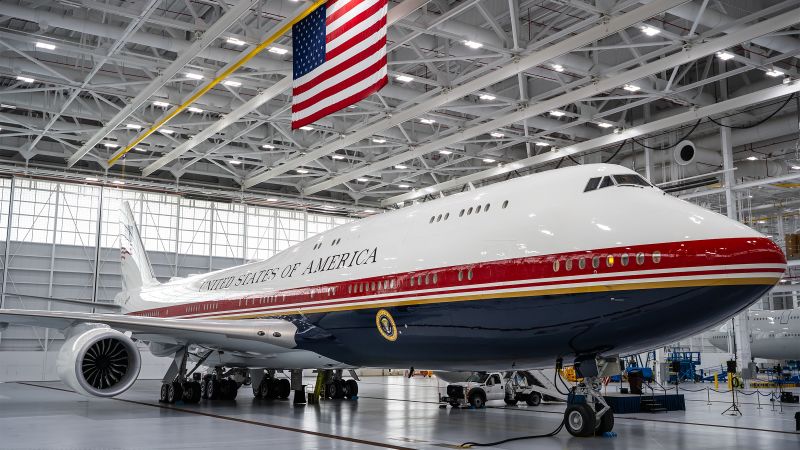
Trump unveils a new presidential airplane – At Joint Base Andrews, President Donald Trump formally introduced a newly acquired presidential aircraft, a high-end jet gifted by the Qatari government. The plane, now featuring a striking red, white, and blue livery alongside the official insignia of the United States, marks a departure from the previous fleet’s design. This move comes amid ongoing efforts to upgrade the aging fleet of modified Boeing 747-200s that have served as Air Force One since 1990. The Air Force confirmed that the new aircraft will soon begin “commissioning flights,” a critical phase to test its readiness for operational use.
Historical Shift in Design and Functionality
The light blue color scheme, first introduced by Jacqueline Kennedy in the 1960s and retained for decades, has been replaced by a navy blue and white fuselage with red accents. This change reflects both aesthetic modernization and practical considerations. While the original design symbolized presidential dignity, the new look emphasizes a blend of tradition and contemporary style. The Qatari jet, however, goes beyond mere appearance. It incorporates advanced technologies and features tailored for high-level security and comfort. The Air Force described the commissioning flights as a “final exam,” ensuring the aircraft meets rigorous standards before entering service.
Accelerated Timeline and Strategic Partnerships
The deployment of the Qatar-donated plane represents a significant milestone in the Air Force’s efforts to address delays in the next generation of presidential aircraft. The two Boeing-modified planes currently in service are nearing the end of their operational lifespan, and their replacement—still in development—will not be completed until 2029. By leveraging a donated asset, the Air Force has bypassed the lengthy procurement process, allowing for a faster transition. This strategy also highlights the importance of international partnerships in military aviation, as Qatar’s contribution underscores a growing trend of global collaboration.
Quotes Highlight Priorities and Progress
Secretary of the Air Force Troy Meink emphasized the mission’s focus on safety and excellence during a recent statement. “From the beginning, we meticulously evaluated every requirement to accelerate delivery while maintaining the high standards expected of the presidential mission,” he said. The quote underscores the Air Force’s commitment to balancing speed with reliability. Meink added that this effort demonstrates the service’s ability to innovate without compromising quality, a sentiment echoed by officials who have praised the streamlined approach.
Trump’s Frustration and the Pentagon’s Response
President Trump’s dissatisfaction with the delayed production of Boeing’s next Air Force One models has been well documented. The current fleet, while still functional, has faced criticism for its outdated design and maintenance challenges. The Qatari jet, accepted by the Pentagon last year, offers a temporary solution to these concerns. Over the past several months, the Air Force has worked to outfit the plane for presidential use, a process that has been notably expedited compared to the Boeing modifications. The key difference lies in the interior design: the Qatar plane required fewer alterations, allowing it to be ready for service sooner.
Operational Readiness and Future Implications
The commissioning flights are a critical step in validating the aircraft’s capabilities. These tests will assess everything from performance metrics to security protocols, ensuring the plane is prepared for its intended role. While the Qatar jet is not a permanent replacement, it serves as a bridge until the Boeing models are completed. This interim solution allows the administration to maintain operational continuity without disrupting the presidential travel schedule.
A Legacy of Innovation and Adaptation
The history of Air Force One is one of evolution, with each generation of planes reflecting the technological and political priorities of its time. The original Boeing 747s, introduced in the 1990s, were a testament to the era’s aviation advancements. However, as time progresses, the need for modernization becomes more pressing. The Qatar jet, with its sleek design and state-of-the-art features, symbolizes a shift toward greater flexibility in acquiring presidential transport. This approach also highlights the strategic value of international donations, which can alleviate financial burdens and expedite logistics.
Presidential Travel and National Symbolism
Presidential aircraft are more than just transportation; they are a visual representation of national pride and leadership. The red, white, and blue livery of the Qatar jet aligns with this symbolism, reinforcing the connection between the president and the American public. While some may argue that the color change is a symbolic gesture, it also signals a new era in how the Air Force approaches modernization. The decision to donate the jet rather than purchase it reflects a broader trend of cost-saving measures and international goodwill.
Comparative Analysis of the Fleets
The current Boeing 747s, though reliable, have faced challenges in meeting modern demands. Their design, though iconic, lacks the advanced systems of newer aircraft. In contrast, the Qatar jet, with its cutting-edge technology, is equipped to handle the complexities of modern presidential travel. This includes enhanced communication systems, secure compartments, and improved fuel efficiency. The Air Force’s ability to repurpose a donated jet for this purpose showcases its adaptability and efficiency.
Public Reaction and Political Context
The unveiling of the Qatar jet has generated mixed reactions. Supporters view it as a pragmatic solution to an urgent need, while critics question its long-term viability. The political context of the donation is also noteworthy, as Qatar’s contribution aligns with its diplomatic efforts to strengthen ties with the United States. For Trump, the plane serves as a tangible example of his administration’s focus on streamlining operations and achieving results. The rapid deployment of the aircraft is seen by some as a testament to the Air Force’s capability to meet tight deadlines.
Looking Ahead: The Future of Presidential Aviation
As the Air Force prepares to commission the Qatar jet, the focus remains on its performance and security. The timeline for the Boeing models, however, remains uncertain. With the presidential term ending in 2029, the urgency to complete the next fleet has intensified. The Qatar jet provides a temporary reprieve, but it also raises questions about the future of presidential aviation. Will the Boeing models retain their traditional design, or will they incorporate more modern elements? The answer may depend on the evolving needs of the presidency and the priorities of the incoming administration.
In the meantime, the Qatar jet stands as a symbol of international cooperation and the Air Force’s ability to innovate under pressure. Its introduction not only addresses immediate operational needs but also sets a precedent for future acquisitions. As the nation awaits the next generation of Air Force One, the current fleet continues to serve with distinction, a testament to the enduring legacy of presidential travel. The balance between tradition and progress remains a central theme in this chapter of aviation history, with the new plane offering a glimpse into the future of leadership in the skies.
