Trump dismisses AI alarms as a ‘HOAX’ — worrying White House officials

Daftar Isi
Trump Rejects Calls for Broader AI Guardrails as Administration Debate Deepens
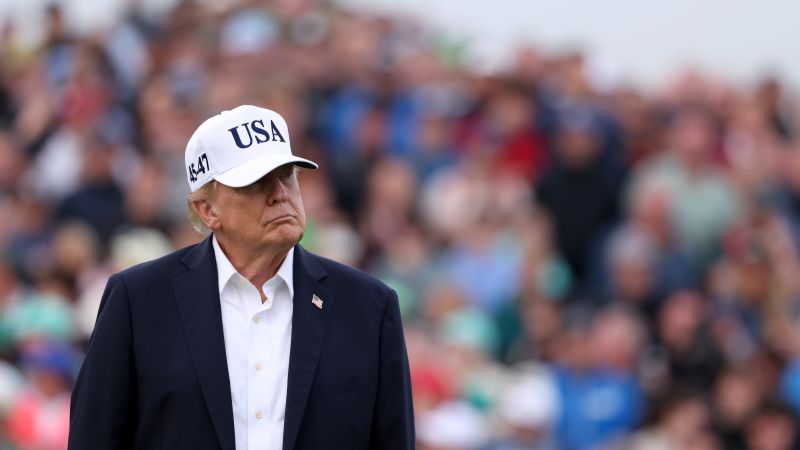
Activelifezero.com – President Donald Trump intensified his resistance to new artificial intelligence regulations on Monday, arguing that maintaining the United States’ advantage over China should take precedence over growing demands for stronger safeguards.
In a series of social media posts, Trump portrayed concerns about advanced AI systems as an effort to weaken a strategically important industry. He described a “SICK conspiracy” against AI and later dismissed warnings about the technology as a “HOAX.”
The president has repeatedly argued that existing federal enforcement powers are sufficient to police AI companies. His position is creating tension inside the White House, where some officials remain uneasy about the possible consequences of rapidly advancing models, including cybersecurity risks, employment disruption and the effect of large data-center projects on communities.
The only control or “guardrails” that AI needs is a STRONG AND SMART (High IQ!) PRESIDENT, and the U.S.A. has that, in spades!
Trump said the federal government already has major criminal and regulatory authority over AI developers and claimed his administration had prevented companies from doing potentially harmful things. He also criticized Anthropic chief executive Dario Amodei, accusing him of presenting himself as a “perfect little angel” while advocating for additional oversight.
Economic Promise Versus Public Unease
Trump has long embraced the economic potential of artificial intelligence. The sector’s rapid expansion has helped drive stock market gains and has supported manufacturing activity through the construction of data centers. The president highlighted those benefits again Monday, calling AI “the golden goose.”
Several prominent figures in the technology industry have financially supported projects important to Trump, including his inaugural fund and the White House ballroom construction effort. At the same time, some industry leaders have urged Washington to establish clearer rules for powerful AI models before their capabilities expand further.
The debate reaches beyond Silicon Valley. Public sentiment has become more cautious as workers consider the prospect of job losses and communities confront questions about data-center development. Concerns over security have added pressure for federal officials to consider more formal protections.
For Republican lawmakers in competitive races, Trump’s dismissive posture presents a political challenge. They must balance the party’s interest in innovation and competition with China against voters who want reassurance that AI systems will be developed and deployed responsibly.
Vance Questions Industry Motives
Vice President JD Vance offered a more qualified view than Trump, acknowledging both the potential advantages and the clear risks associated with AI. Still, he questioned whether technology executives seeking new regulation may have business reasons for doing so.
There are obvious risks to AI, there are some benefits to AI.
Speaking with reporters at Joint Base Andrews, Vance said he was uncomfortable with the number of frontier AI companies approaching the government to request regulation. He warned that such proposals could become a “Trojan horse” for companies positioned to benefit from restrictions that make it harder for competitors to enter the market.
I don’t think Americans should be scared of anything. I think we have to be mindful that there are risks, there are downsides to anything, and that’s certainly true of AI.
Vance said he hopes the White House and Congress can cooperate on guardrails, signaling that the administration’s internal discussion is not settled even as Trump continues to oppose a major new regulatory push.
Meetings and Congressional Talks Expected
White House officials said meetings could take place this week involving administration specialists in artificial intelligence and cybersecurity. The discussions are expected to examine possible regulations, even though Trump has resisted calls for a sweeping legislative response.
House Speaker Mike Johnson has also indicated that discussions involving Trump, lawmakers and AI executives could be convened soon. On Monday, the Louisiana Republican said such a meeting was likely within one or two weeks.
Johnson emphasized that any approach should be deliberate rather than rushed. He said policymakers need to address corporate responsibility for safety and decide what role the government should play, while avoiding restrictions that could undermine America’s technological edge.
The reflex of legislative bodies is to cover things up with red tape and hyper-regulation. If you do that, then you lose your edge, and that is a national security concern for the American people.
The issue is also becoming part of the administration’s wider relationship with China. U.S. officials are working to strengthen planned AI discussions with Chinese leader Xi Jinping ahead of his state visit to Washington next week.
Trump has been preparing closely for the visit, which comes as work is completed on renovations to the North Portico and a new helipad on the South Lawn. The meeting will place AI competition, security and economic leadership alongside the administration’s broader diplomatic agenda.
For now, the central question remains whether the White House can develop a policy that recognizes AI’s economic and strategic value while responding to the risks raised by officials, industry executives and the public. Trump’s comments suggest he sees American speed and competitive dominance as the overriding priority, while others around him are still searching for a balance between innovation and meaningful oversight.
Related Reading
Frequently Asked Questions
What is Trump dismisses AI alarms as a HOAX?
Trump dismisses AI alarms as a HOAX is the main topic of this guide. The article explains the context, practical details, and next steps readers should understand.
Why does Trump dismisses AI alarms as a HOAX matter?
Trump dismisses AI alarms as a HOAX matters because readers are looking for a useful answer, not just a short summary. Good content should match search intent and help them decide what to do next.