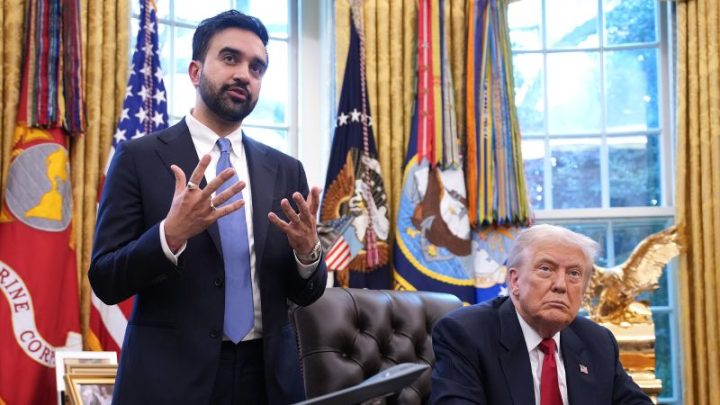
Republicans need evangelicals to turn out in the midterms. Faith leaders are sounding the alarm they may not

Republicans Need Evangelicals to Turn Out in Midterms
Activelifezero.com – Republicans need evangelicals to turn out if they hope to protect their position in Congress during the 2026 midterms. Conservative pastors and faith-based organizers are warning that support for Republican candidates may not automatically translate into votes in an election year that historically sees lower participation.
White evangelical voters have been a central part of the Republican coalition in recent presidential elections. But many voters who reliably cast ballots for president do not participate as consistently in midterm contests, raising concerns among religious and political leaders.
Why Evangelical Turnout Matters
Republicans need evangelicals to turn out because of the group’s size and influence within the party’s voting base. About eight in 10 White evangelical voters supported President Donald Trump in the 2016, 2020 and 2024 presidential elections, according to the figures cited by faith leaders and political analysts.
White evangelicals represent roughly 13% of the US population, yet their participation can make them about one-fifth of the electorate in a typical election. Ryan Burge, a professor at Washington University in St. Louis’ John C. Danforth Center on Religion and Politics, said White evangelicals accounted for 38% of Trump’s voters.
“The evangelical vote is Trump’s strongest coalition. Thirty-eight percent of his voters were White evangelicals.”
The issue is particularly important in competitive races across the South, where faith communities often play a major role in local political organizing. For Republican candidates, persuading evangelical voters is only part of the challenge; motivating them to vote in a midterm election is equally important.
Faith Groups Step Up Their Outreach
Some pastors say they have seen little public evidence of a large, coordinated national Republican campaign focused specifically on evangelical turnout. That has left local churches, conservative advocacy groups and grassroots organizers to take on much of the outreach effort.
The Faith and Freedom Coalition has launched a get-out-the-vote effort aimed at “drop-off voters,” or evangelicals who vote in presidential elections but often skip midterms. Its founder and chairman, Ralph Reed, said concern about turnout is part of the work.
“Look, I’m paid to worry. You know, I worry as an occupational hazard and as a professional obligation.”
Chad Connelly, a former Republican National Committee national director of faith engagement, has met with pastors in more than 20 states. His work has focused on helping clergy discuss political and cultural issues while remaining grounded in their religious leadership roles.
After more than 80 meetings with pastors, Connelly said the task remains substantial. Republicans need evangelicals to turn out, he argued, and party organizations have not always devoted enough attention to that goal.
Economic Concerns Could Shape Participation
The turnout campaign is unfolding as voters face high gasoline and grocery costs and as the president’s approval rating remains underwater. Evangelical households are dealing with the same financial pressures affecting other Americans, even when their political priorities also include cultural and religious issues.
Republicans need evangelicals to turn out at levels closer to presidential-election participation if they are to limit the impact of weaker enthusiasm in the midterms. Whether local faith networks can close that gap may help determine the outcome of closely watched races.
FAQ: Evangelical Voters and the 2026 Midterms
Why are evangelical voters important in US midterm elections?
White evangelical voters are a major Republican constituency and often participate at high rates. In close congressional contests, even a modest decline in turnout can affect the result.
What are “drop-off voters”?
Drop-off voters are people who vote in presidential elections but do not always vote in midterm elections. Faith-based groups are focusing outreach on these voters before the 2026 election.
What can local faith organizations do?
Churches and advocacy groups can encourage eligible voters to check registration deadlines, learn about local election rules and make a plan to vote while respecting legal limits on political activity.