Trump says some routine immunizations will be split into five separate shots. Vaccine experts say it won’t work

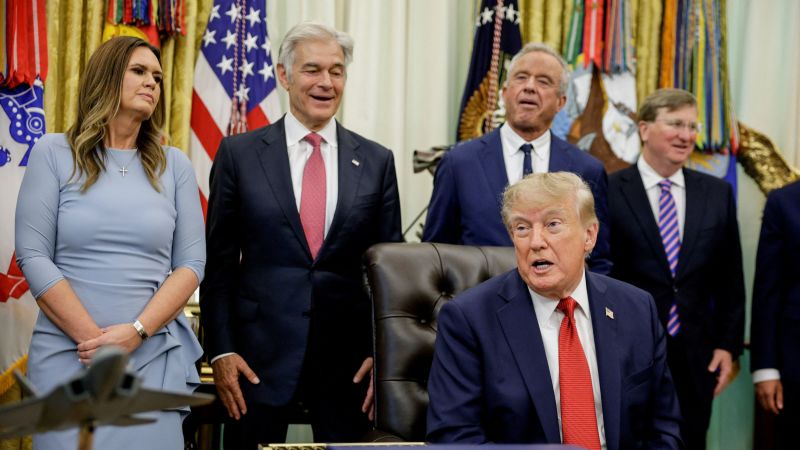
Trump Proposes Splitting Routine Childhood Vaccines
Activelifezero.com – Trump says some routine immunizations could be divided into five separate injections given six months apart, a proposal that vaccine experts say would not provide the intended protection. President Donald Trump described the approach Friday as a way to reduce the amount of vaccine a child receives at one appointment.
He said children could receive “20% doses” marked one through five over an extended period, rather than getting a tested vaccine dose on the established childhood schedule.
“We’re going to recommend that they do five doses marked one, two, three, four, five and that they be given in six-month intervals,” Trump said.
Experts Say Smaller Portions Would Not Work
Vaccine specialists criticized the idea, explaining that vaccines are studied to determine doses and schedules that safely produce a protective immune response. Dividing a tested dose into much smaller portions does not mean each portion will be effective.
Dr. Paul Offit, director of the Vaccine Education Center at Children’s Hospital of Philadelphia, said a dose that is too small may fail to protect a child from the disease it is meant to prevent.
“What he’s suggesting would not work,” Offit said. “He’s basically saying he wants to give vaccines in a manner in which they wouldn’t be protective.”
Trump says some routine immunizations should be separated, but officials did not identify which vaccines would be affected during Friday’s announcement. Trump mentioned the polio vaccine, calling it “amazing.”
Questions About the Childhood Vaccine Schedule
The remarks followed an earlier administration effort to reshape the federal childhood vaccination schedule, which was temporarily halted by a federal judge. The Department of Health and Human Services had not publicly released additional details about the changes Trump outlined.
In August, Trump signed an executive order calling for a different approach to childhood vaccination. The order supported fewer infant immunizations over a longer period and suggested separating the combined measles, mumps and rubella vaccine into individual shots.
Experts say there is little scientific basis for broadly splitting the MMR vaccine. A standard MMR dose for children around 12 months old is 0.5 milliliters, about one-tenth of a teaspoon.
Delays Can Leave Children Unprotected
Public-health vaccine schedules are designed around the ages when children are vulnerable to specific infections. Delaying a dose can prolong the period in which a child lacks protection from preventable disease.
Trump says some routine immunizations should be delivered over more appointments, but that could also mean more injections, more clinic visits and more chances for children to miss doses. Experts say altering dosage or timing requires evidence that the new approach is both safe and effective.
Trump said his proposed changes could lead to a “massive reduction in autism.” Extensive research has found no evidence that vaccines cause autism, including studies examining MMR vaccination.
Health and Human Services Secretary Robert F. Kennedy Jr. stood with Trump during the announcement. Kennedy had spoken the day before at a Children’s Health Defense conference, an organization known for opposing vaccines that he previously led.
FAQ: What Parents Should Know
Would splitting a vaccine into five smaller doses provide the same protection? Vaccine experts say not necessarily. A vaccine’s dose and timing are tested to ensure they create an adequate immune response; smaller portions may not be protective.
Why do childhood vaccines follow a schedule? The timing is intended to protect children when they are most vulnerable to particular illnesses while ensuring doses work as studied.
Do vaccines cause autism? No. Extensive research has repeatedly found no evidence that routine childhood immunizations, including the MMR vaccine, cause autism.