
988’s LGBTQ+ hotline to relaunch this year. But the group that helped start it might be excluded
988’s LGBTQ+ Hotline to Relaunch This Year, But the Group That Helped Start It Might Be Excluded
988 s LGBTQ hotline to relaunch – The Trump administration is set to reintroduce the LGBTQ+ youth suicide prevention option for the 988 crisis hotline, but the organization that spearheaded its creation could be left out of the program. The Trevor Project, a nonprofit dedicated to preventing suicide among LGBTQ+ young people, may no longer be eligible to provide the specialized services it had developed for the 988 Lifeline just a few years ago. This decision has sparked concerns among advocates, who argue that excluding the organization could undermine the effectiveness of the relaunched service, particularly as the administration continues to roll back protections for transgender and non-binary individuals.
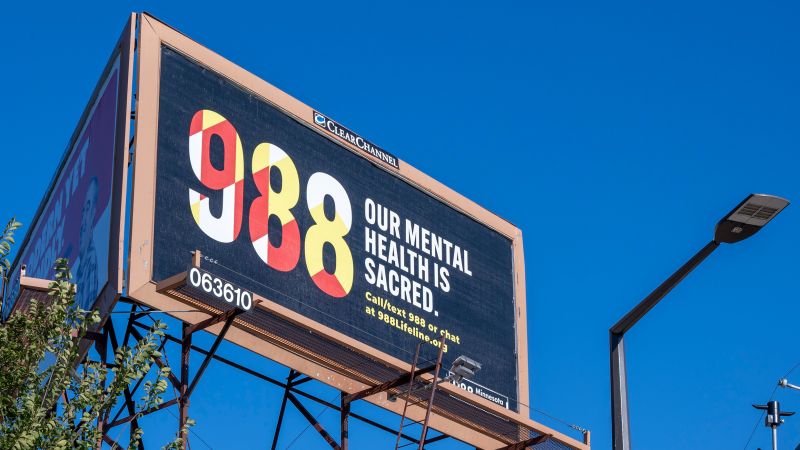
Established in 2020, the 988 hotline has become a critical resource for mental health emergencies, often referred to as the “911 for mental health.” It is designed to offer targeted support to vulnerable groups, including veterans, Spanish speakers, and LGBTQ+ youth. The LGBTQ+ option, which required callers to press 3, text “PRIDE,” or use online chat, connected individuals with counselors trained specifically to address the unique challenges faced by queer youth. However, in July 2025, the administration abruptly ended the service, citing a lack of funding. This move left many LGBTQ+ young people without access to tailored support during a time of heightened mental health needs.
Despite the shutdown, Congress has directed federal officials to allocate $33 million for LGBTQ+-specific interventions by the end of the year. The administration is now working to restore the “press 3” option, with the goal of launching it again soon. Yet, the process has raised questions about who will be allowed to manage the service. The nonprofit organization Vibrant Emotional Health, which oversees the 988 Lifeline, has announced a call for applications to reestablish the specialized lines. However, only crisis centers that are “current and active” members of the 988 network can apply. This requirement has placed The Trevor Project at a disadvantage, as its ineligibility stems from the administration’s decision to cut off its access to the service it had previously developed.
“The Trump administration never should have shut down the ‘press 3’ option and put young Americans at further risk,” said Wisconsin Senator Tammy Baldwin, a vocal advocate for LGBTQ+ rights. Baldwin emphasized the need to restore the service without unnecessary restrictions, ensuring that the most qualified professionals are available to support vulnerable youth during crises.
According to data from the Substance Abuse and Mental Health Services Administration, the “press 3” option fielded 1.6 million contacts during its operation. The Trevor Project, which had been a key partner in the initiative, handled approximately half of those interactions. Its absence from the relaunch has sparked debate over the potential consequences for LGBTQ+ youth, who often face higher rates of bullying and discrimination. Dr. Christine Yu Moutier, chief medical officer for the American Foundation for Suicide Prevention, highlighted the importance of the organization’s role, stating, “It would not make sense to keep The Trevor Project ineligible to help. They are a long-standing, high-quality, and trusted resource for LGBTQ+ individuals.”
The Trevor Project’s mission is singular: to provide direct support to LGBTQ+ youth, particularly those in crisis. While other crisis centers within the 988 network serve a broader population, including LGBTQ+ individuals, they lack the same level of expertise in addressing the specific mental health needs of queer youth. Jaymes Black, CEO of The Trevor Project, described the current situation as a “dangerous step toward degrading the clinical standards” that the specialized services were built upon. “Without The Trevor Project, the relaunched program may fail to meet the unique demands of this high-risk group,” he said in a statement to the Associated Press.
While the administration claims the “press 3” option was discontinued due to budget constraints, critics argue that the decision was politically motivated. The shutdown coincided with the administration’s broader efforts to weaken protections for transgender and non-binary Americans, many of whom rely on LGBTQ+ support services during emergencies. The Trevor Project’s exclusion from the relaunch has been viewed as part of this pattern, with advocates fearing that the new system may not provide the same level of care for queer youth. “LGBTQ+ young people are often marginalized and need psychological safety,” Moutier noted. “They don’t always trust institutions to understand their struggles.”
The substance of the service itself may be restored, but its implementation could be reshaped. The Trevor Project’s specialized approach includes culturally competent care, which has proven effective in reducing suicide attempts among LGBTQ+ individuals. However, without its involvement, the relaunched program may rely on generalist counselors instead of those trained specifically for queer youth. This shift has raised concerns that the service could lose its edge in addressing the complex mental health issues faced by this community.
Despite these worries, the administration maintains that the relaunch will still provide essential support. A spokesperson for the Department of Health and Human Services stated that the department is collaborating with Vibrant Emotional Health to reintroduce the “press 3” option as Congress mandated. The spokesperson did not directly address whether The Trevor Project would be reinstated, leaving the issue open for further discussion. However, the current eligibility criteria suggest that the organization may not be included in the new phase of the service.
Senator Baldwin and other advocates have called for a transparent process to determine the future of the LGBTQ+ option. They argue that The Trevor Project’s exclusion is not just a logistical issue but a symbolic one, signaling a retreat from inclusive mental health care. “We need to ensure that the most qualified and experienced people are answering calls from these young people,” Baldwin said. “This is about more than a phone line—it’s about life and death for a marginalized group.”
As the relaunch approaches, the focus will shift to how the service is structured. While the 988 hotline’s return is a positive development, its success hinges on maintaining the specialized care that LGBTQ+ youth have come to depend on. Moutier acknowledged that the program could still have a meaningful impact, but she stressed that the method of delivery matters. “There’s the potential for great good,” she said, “but also for some harm if the service is not restored in a way that honors its original purpose.”
The Trevor Project’s exclusion from the “press 3” option has been a topic of discussion among mental health professionals and LGBTQ+ advocates. While other crisis centers in the 988 network can provide general support, none have the same depth of experience in working with queer youth. This gap could leave LGBTQ+ individuals without the tailored assistance that has historically made the service effective. As the administration moves to reestablish the option, the question remains: Will the LGBTQ+ youth who need it most be able to access the care they deserve?
The relaunch of the “press 3” option represents a significant step in expanding mental health support, but it also underscores the ongoing challenges faced by LGBTQ+ youth. With suicide rates among this group remaining higher than the national average, the availability of specialized services is crucial. The Trevor Project’s potential exclusion from the program has ignited a debate about the balance between efficiency and inclusivity in crisis intervention. As the final days of the year approach, the outcome of this discussion could shape the future of mental health care for LGBTQ+ young people in the United States.
