Trump is letting in 300,000 tons of beef duty-free. Don’t expect cheaper burgers

Daftar Isi
A 90-Day Beef Import Window Opens — but the Burger Bill May Stay Stubbornly High
Activelifezero.com – Americans have been watching their meat budgets swell for years, and the White House has finally moved to intervene directly in the beef supply chain. Effective September 1, an executive proclamation signed by President Donald Trump opens a narrow gateway: 300,000 metric tons of foreign beef will enter the country free of tariffs for a 90-day window. The stated goal is straightforward — push retail prices down by flooding the market with discounted imports. The practical outcome, however, looks far more modest than the headline suggests.
What the Proclamation Actually Authorizes
The order mandates that the imported product be sold at a price “25 percent below the market price,” a requirement written directly into the proclamation’s text. The White House explained to reporters that foreign exporters are prepared to offer discounts precisely because the usual tariff burden disappears during the window. No further mechanism — no price-monitoring protocol, no enforcement timeline — has been publicly detailed. It remains unclear which agencies will track whether the 25-percent discount is actually honored at the shelf level, or what penalties attach if it is not.
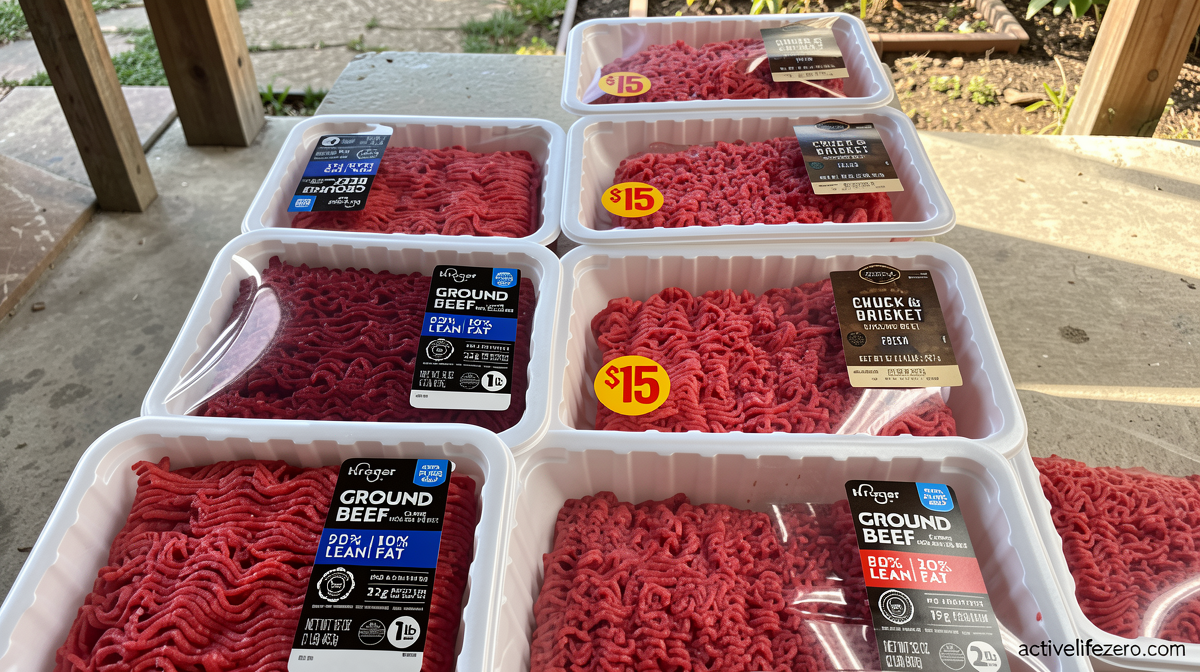
For context, the Bureau of Labor Statistics pegs the average retail price of a pound of ground beef at roughly $6.89 as of the most recent data release. A 25-percent discount on a portion of imports sounds dramatic in isolation, but the scale of the operation tells a different story.
The Math Does Not Favor the Consumer
Glynn Tonsor, an agricultural economist at Kansas State University who tracks meat pricing through a monthly survey of approximately 3,000 Americans called the Meat Demand Monitor, offers a blunt assessment of the order’s likely impact.
“It’ll be some additional pounds on the market that we didn’t have before, and in that context, that could be good for consumers. But I think it’s easily overstated how much it might help.”
The arithmetic behind his skepticism is simple. USDA data places 300,000 metric tons at roughly two percent of total domestic beef consumption. Even if every kilogram landed on a supermarket shelf at the mandated discount, the dilution effect on the overall price index would be marginal.
A second structural limitation narrows the effect further. The tariff exemption applies specifically to beef trimmings — the lean, connective-tissue-rich cuts that processors blend into ground beef. It does not cover steaks, roasts, or other premium cuts. Because trimmings represent only a fraction of the beef a consumer buys, the discount cannot translate into a meaningful reduction across the entire meat aisle.
Tonsor adds a third complication: the imports may simply substitute for beef that domestic processors would have purchased from American suppliers anyway. If the 300,000 tons replaces domestic purchases rather than adding net new supply, the price effect shrinks to near zero.
Why Prices Climbed in the First Place
The tariff move arrives against a backdrop of sustained inflation in meat. Consumers now pay 27 percent more for ground beef — and for all categories of beef and veal — than they did three years ago. Over the trailing twelve months alone, July Consumer Price Index readings show both categories climbing around nine percent.
White House spokesperson Kush Desai framed the price surge as a supply shortfall.
“The President’s action is helping meet short-term beef needs while the Administration works with American ranchers to expand domestic production and grow the American cattle herd, which is currently at a multi-decade low.”
The cattle-herd figure is accurate; headcounts have been sliding for years. Yet Tonsor argues the supply explanation captures only part of the picture. American ranchers have been breeding larger animals that yield more beef per head, partially offsetting the smaller herd. On the supply side, an outbreak of New World screwworm in Mexico temporarily halted live-cattle imports from that country until recently, adding a transient squeeze.
In Tonsor’s reading, however, the dominant driver is demand. His Meat Demand Monitor data shows Americans’ willingness to pay for a pound of ground beef reaching $10.09 last month, up from $8.67 three years earlier. For a hamburger ordered at a restaurant, the comparable figure jumped from $20.19 to $24.62 over the same span. Survey responses he collects attribute the shift largely to perceived quality improvements in beef — consumers are choosing to spend more, not merely being forced to.
What This Means at the Register
The policy logic is internally coherent: remove a tariff, create a temporary price wedge, and let arbitrage pull retail prices downward. The problem is one of scale and substitution. Two percent of consumption, restricted to a single cut category, subject to substitution effects and a demand curve that keeps tilting upward, is unlikely to produce the visible price relief the administration hopes for.
For shoppers watching their grocery bills, the practical takeaway is that the September window will add a modest volume of discounted ground-beef ingredients to the market. Whether that registers as a meaningful discount at checkout — or merely as a rounding error in an already-inflated meat budget — will depend on how quickly processors absorb the trimmings, how strictly the 25-percent floor is enforced, and whether American appetite for beef continues its current trajectory. The answer, for most households, is likely to be: barely a difference.
Related Reading
Frequently Asked Questions
What is Trump is letting in 300 000 tons?
Trump is letting in 300 000 tons is the main topic of this guide. The article explains the context, practical details, and next steps readers should understand.
Why does Trump is letting in 300 000 tons matter?
Trump is letting in 300 000 tons matters because readers are looking for a useful answer, not just a short summary. Good content should match search intent and help them decide what to do next.