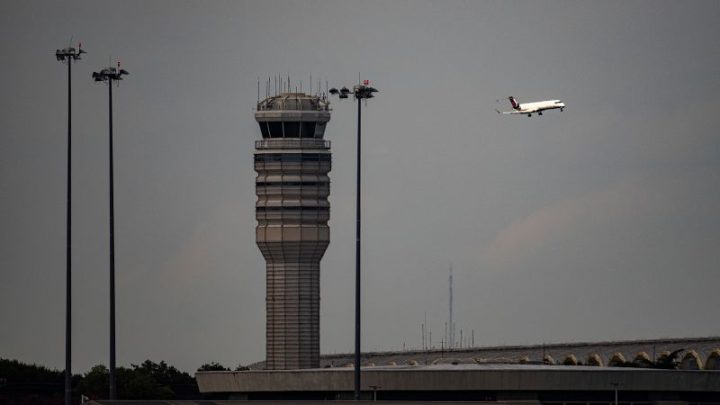
Headquarters of Saudi Aramco hit as Houthis and Riyadh trade strikes

Daftar Isi
Houthi Strike Near Saudi Aramco Headquarters Deepens Regional Escalation
Activelifezero.com – Saudi Arabia and Yemen’s Houthi movement exchanged new attacks on Wednesday, underscoring the growing intensity of a conflict that is putting airports, energy infrastructure and Red Sea shipping at greater risk.
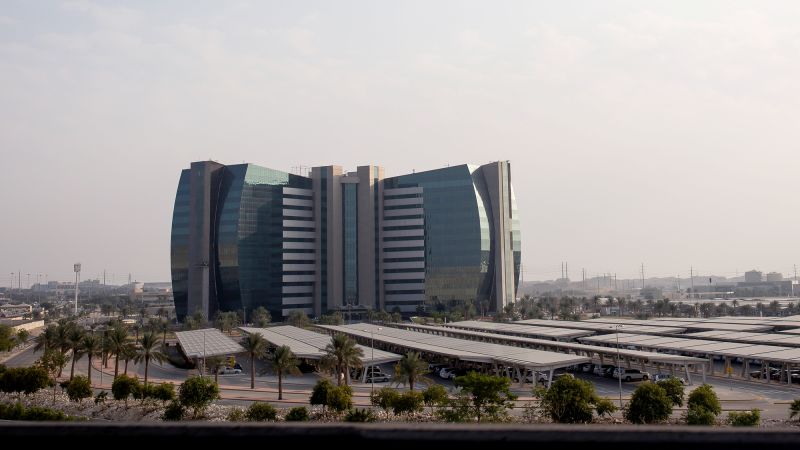
The Iran-backed Houthis said they had struck Saudi Arabia’s capital and claimed responsibility for an attack involving Saudi Aramco’s headquarters in Dhahran. Saudi authorities said an Aramco administrative building in the eastern city was targeted, sparking a limited fire. It was not immediately established whether the structure was struck directly or affected by debris after missile interceptions.
No injuries were recorded at the Aramco site. Saudi authorities said, however, that falling debris wounded at least four people elsewhere as defenses responded to incoming weapons.
Energy Infrastructure Under Pressure
The Dhahran incident carries significance far beyond the immediate damage. Saudi Aramco is the world’s largest crude oil producer, and its facilities form a central part of the Saudi economy as well as a major component of global energy supply. Any attack directed at Aramco raises concerns about the resilience of oil infrastructure and the possible effect of continued hostilities on regional markets and commercial confidence.
Saudi-led coalition forces said they intercepted and destroyed three cruise missiles and two drones aimed at the Riyadh area and southern parts of the kingdom. Earlier on Wednesday, Saudi defenses also intercepted a ballistic missile launched toward Riyadh.
The Houthis later said they would keep targeting Saudi airports and oil installations. They warned international shipping companies and personnel working at those locations to stay away, describing the sites as “legitimate targets” for their forces.
“Legitimate targets” for their forces.
The warning reflects the widening scope of the confrontation. Saudi military facilities and airports have repeatedly been targeted, while oil assets and maritime routes have become increasingly prominent in the Houthis’ stated campaign.
Fuel Depot Strike in Yemen
The latest exchange followed a Saudi strike on Tuesday against an important fuel depot in Yemen. Saudi Arabia said the facility was used by Houthi forces to support attacks on Saudi airports and energy sites, as well as operations against shipping in the Red Sea.
The Houthi-controlled Yemen Oil Company said the depot contained no petroleum products and maintained that a strike there would not disrupt fuel reserves or supplies. The Houthis said two civilians were killed and two more were injured in the attack. Saudi-led coalition forces said civilians had been warned to leave the area before the strike.
Fighting also continued in other parts of Yemen. Houthi-run Al Masirah television said coalition artillery fire in Saada province wounded three Yemenis and two African residents in the Baqim district. It later said artillery fire on residential villages in the border district of Shada, in Saada, killed two civilians and injured two others. The broadcaster also described strikes in Sanaa and several additional provinces. Independent verification of those claims was not available.
Airport Attacks Raise Security Concerns
The conflict has intensified sharply since the Houthis said in July that they would target Saudi shipping in the Red Sea and infrastructure within Saudi Arabia. Attacks have accelerated in recent days, including repeated strikes on Riyadh’s King Khalid International Airport.
On Saturday, an attack on the airport killed 13 people and injured more than 300. It was the deadliest assault on Saudi Arabia in more than a decade and prompted renewed scrutiny of the kingdom’s ability to protect major civilian and economic sites despite extensive investment in air defense.
The danger around the airport has also affected travel guidance. The United States, United Kingdom, Spain and Canada are among the countries warning their citizens against using the facility. On Tuesday, the US State Department expanded restrictions for US government personnel in Saudi Arabia, requiring special authorization from the chief of mission before employees can use any airport in the kingdom.
Airport security has become a particularly visible measure of the conflict’s impact because commercial aviation connects Riyadh with business, diplomatic and civilian travel routes. Repeated disruptions can affect passengers directly while also signaling that attacks can reach heavily defended urban areas far from the Yemeni border.
Missiles, Drones and a Widening Conflict
Saudi-led coalition forces described several other interceptions on Tuesday. A ballistic missile was stopped while heading toward the kingdom’s eastern province, and another was intercepted near Haradh, close to the Yemeni border. The coalition also said it brought down three Houthi drones north of Riyadh.
Saudi Arabia has led an air campaign in support of Yemen’s internationally recognized government, which is fighting the Houthis on the ground. The present surge follows years in which the conflict had been comparatively quieter, before hostilities reignited during the summer and intensified further last month.
Each new exchange increases the chance of broader disruption. Missile and drone attacks demand repeated defensive responses, while strikes on fuel depots, airports, oil assets and maritime activity expand the number of places where civilians and commercial operators may face danger.
For Saudi Arabia, the attacks expose ongoing vulnerabilities in its defensive network at the same time the kingdom remains involved in the Yemen war. For Yemen, continued airstrikes and artillery exchanges add to the civilian risks of a long-running conflict. The developments also leave international carriers, shipping firms and energy-linked businesses facing a more uncertain security environment across the region.
Related Reading
Frequently Asked Questions
What is Headquarters of Saudi Aramco hit as Houthis?
Headquarters of Saudi Aramco hit as Houthis is the main topic of this guide. The article explains the context, practical details, and next steps readers should understand.
Why does Headquarters of Saudi Aramco hit as Houthis matter?
Headquarters of Saudi Aramco hit as Houthis matters because readers are looking for a useful answer, not just a short summary. Good content should match search intent and help them decide what to do next.