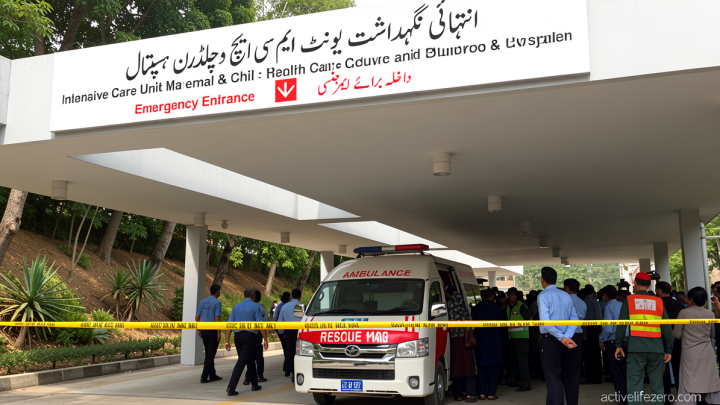
Flights briefly paused at DC airport as unauthorized drone appears over runway

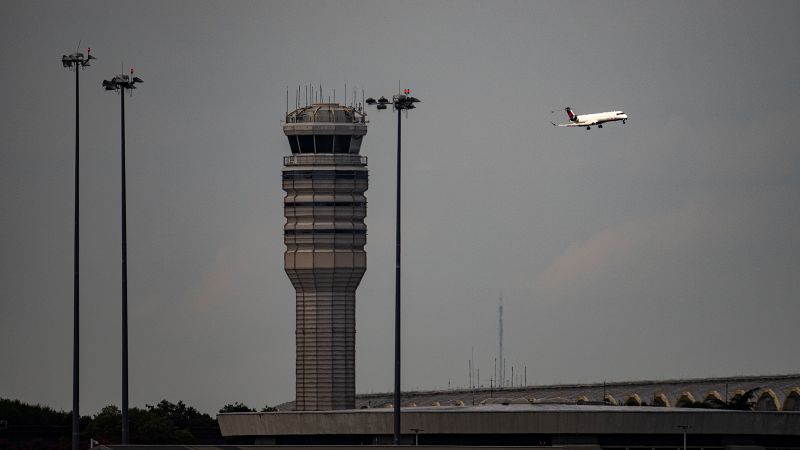
Flights Briefly Paused at DC Airport After Drone Sighting
Activelifezero.com – Flights briefly paused at DC airport Wednesday night after pilots reported an apparent unauthorized drone near an active runway at Ronald Reagan Washington National Airport. Arrivals and departures were halted for about 20 minutes while airport personnel searched the airfield and nearby area.
No drone was found during the search, according to the Federal Aviation Administration. Local and federal authorities were notified after the reports, and normal flight operations resumed once the immediate safety check was completed.
Pilots Reported an Object Near the Runway
The first report came from the crew of an American Airlines regional aircraft arriving from Tulsa. In air traffic control recordings, the pilot said an object that appeared to be a drone flew by as the aircraft approached the airport.
“We saw, like, a drone or something that went flying by, probably halfway down the runway,” the pilot said.
A charter pilot preparing to depart for New Jersey also reported seeing a light that the crew believed could have been a drone. Controllers then advised other pilots that unauthorized unmanned-aircraft activity had been reported near DCA, the airport’s identifier.
“I saw a light that I thought might have been a drone too,” the charter pilot said.
Officials did not immediately know the suspected drone’s model, color, operator or flight path. Flights briefly paused at DC airport as crews examined the runway environment and surrounding grounds for a possible hazard.
Why a Drone Sighting Can Stop Airport Operations
A small drone can pose a serious risk when it enters airspace used by passenger aircraft, especially during takeoff and landing. A collision could damage an aircraft, distract pilots during a critical phase of flight or require crews and controllers to make rapid safety decisions.
Federal rules restrict drone activity near airports, with especially tight limits across much of the Washington, DC, area. Reagan National is located only a few miles from the White House and the US Capitol and sits beside the Pentagon, placing it in highly controlled airspace.
Unauthorized drone activity can draw FBI involvement. Federal penalties for unlawful use may include fines of up to $100,000 and as much as one year in prison.
Reagan National’s Complex Operating Environment
Reagan National handles substantial commercial traffic on a relatively compact 860-acre site. Its primary runway has more than 800 takeoffs and landings on a typical day, according to figures cited by the Metropolitan Washington Airports Authority.
At a heavily scheduled airport, even a brief interruption can affect arrivals, departures, gate assignments and passenger connections. Flights briefly paused at DC airport because controllers and airport teams must prioritize runway and airspace safety when a possible drone is reported.
The airport has faced heightened scrutiny since January 2025, when a US Army Black Hawk helicopter collided with an American Airlines regional jet near Reagan National. All 67 people aboard the aircraft were killed in the deadliest US aviation accident in more than 20 years.
During the later investigation, the National Transportation Safety Board identified 15,214 near-miss events at the airport between 2021 and 2024. Those events involved aircraft within one nautical mile horizontally and separated by less than 400 feet vertically.
FAQ: Drone Reports at Reagan National Airport
Did officials find the drone? No. Airport operations teams searched the area after the pilots’ reports but did not locate a drone.
How long were flights affected? The operational pause lasted roughly 20 minutes before flights resumed.
Why are drones restricted near Reagan National? The airport operates in busy and sensitive Washington-area airspace near major government locations, making unauthorized aircraft activity a significant safety and security concern.
What should travelers do after a temporary airport pause? Travelers should check directly with their airline for the latest departure, arrival and connection information, as even short disruptions can affect tightly scheduled flights.