The Trump administration claims oil is flowing normally again. There’s just one problem

Oil Flow Returns to Normal, But Data Disputes the Claim
Activelifezero.com – The Trump administration claims oil is flowing normally through the Strait of Hormuz, yet maritime tracking data reveals a more complicated picture. Energy Secretary Chris Wright announced Tuesday that crude shipments from the Middle East have climbed above pre-conflict levels and remained near typical volumes for seven consecutive days. Independent shipping analysts, however, show vessel movements through the critical waterway remain significantly below historical averages.
What the Numbers Actually Show
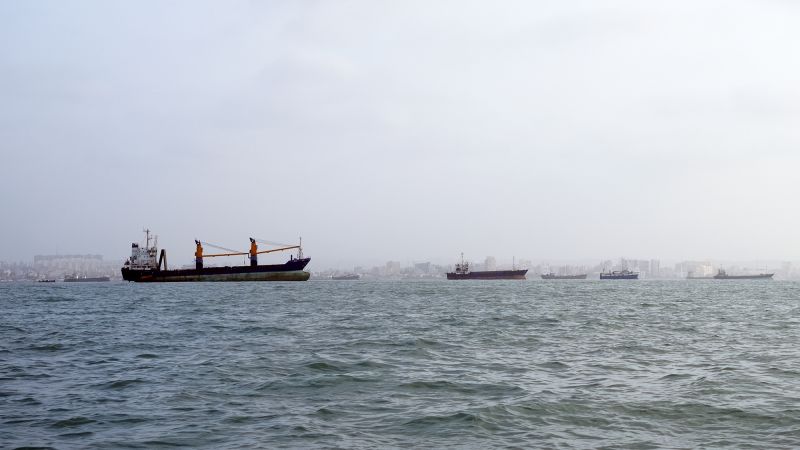
Oil market analytics firm Kpler reports that only 84 vessels passed through the Strait of Hormuz during the entire previous week. Sunday alone recorded just nine transits, a sharp decline from the pre-war period when daily passage regularly exceeded 100 vessels. The discrepancy becomes even more pronounced when examining cargo volumes.
Wright stated that approximately 9 million barrels of crude flow through the strait daily. Matt Smith, who directs commodity research at Kpler, found this figure difficult to reconcile with physical evidence. JPMorgan’s analysis suggests the actual volume sits closer to 4 million barrels per day.
“It is not possible to reconcile the disparity between what we see and what he is quoting,” Smith said.
One complicating factor involves ships that deactivate their transponder signals to navigate the strait more discreetly. Kpler addresses this by combining satellite photographs with transponder information to estimate “shadow traffic” — vessels moving without broadcasting their positions. Despite these adjustments, the numbers still fall short of official claims.
Pipeline Routes and Regional Infrastructure
Wright’s assertion that between 5 and 7 million barrels per day bypass the strait via land-based routes appears more credible. Saudi Arabia’s East-West pipeline alone redirects over 5 million barrels daily toward the Red Sea. This infrastructure has become increasingly vital as regional producers seek alternatives to maritime passage through contested waters.
Ship traffic through the Red Sea’s Bab-al-Mandeb strait has maintained relatively steady levels despite warnings from Iran’s Houthi allies about potential blockades. Meanwhile, Middle Eastern nations have pushed their pipeline systems to maximum capacity, attempting to reroute as much crude as possible around the strait.
Andy Lipow, president of Lipow Oil Associates, observed that only six vessels crossed the strait on Monday — four entering and two departing. Notably, none were crude oil tankers. This pattern raises questions about whether the current traffic represents a sustainable return to normal operations or merely a temporary adjustment supported by military coordination.
Political Messaging and Market Impact
Wright has made broader claims about Arabian Gulf exports, stating that 15 million barrels per day departed the region over the past week and that Sunday alone saw 20 million barrels leave. Both figures would exceed pre-war averages. However, these assertions must be weighed against the physical constraints of regional infrastructure and the limited number of vessels currently navigating the waters.
“In theory, the US government with all its technology and all the military assets they have in the region should have the best number on the flow through the strait,” said Dan Pickering, founder and chief investment officer at Pickering Energy Partners. “But this is hard to verify.”
Some analysts suggest the administration’s messaging serves a specific purpose. Pickering noted that officials appear to be “jawboning” oil prices downward, continuing a strategy employed over several months. The claims follow a pattern of positive market framing from the Trump administration, including President Donald Trump’s repeated assertion that the United States controls the Strait of Hormuz.
That claim faces scrutiny given the necessity of military escorts for commercial vessels and Iran’s documented attacks on 64 ships transiting the strait. These incidents have resulted in 17 seafarer deaths and 35 injuries, underscoring the ongoing risks despite official reassurances.
Frequently Asked Questions
How many vessels typically pass through the Strait of Hormuz daily?
Before the recent conflict, more than 100 vessels passed through the Strait of Hormuz each day. Current tracking shows significantly lower numbers, with only 9 vessels transiting on Sunday alone.
What is the actual daily oil flow through the strait?
While the Trump administration claims 9 million barrels per day, independent analysis from JPMorgan and Kpler suggests the actual volume is closer to 4 million barrels daily.
How much oil bypasses the strait via pipelines?
Energy Secretary Wright estimates that 5 to 7 million barrels per day bypass the strait through land-based routes, with Saudi Arabia’s East-West pipeline alone handling over 5 million barrels daily.
Why do shipping numbers matter for oil prices?
Lower vessel traffic through the strait indicates potential supply disruptions, which can increase oil prices. The administration’s claims of normal flow aim to stabilize market expectations despite physical evidence suggesting otherwise.