
JetBlue pilot reports hitting drone at JFK International Airport same day helicopter reports near collision with model plane
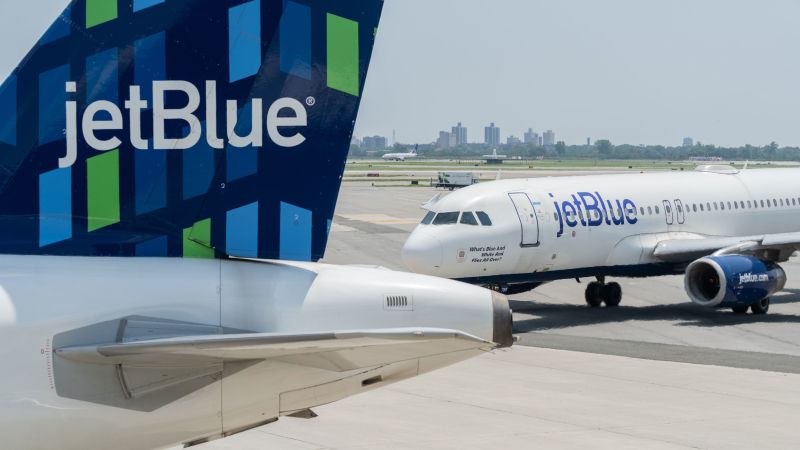
JetBlue Pilot Hits Drone at JFK; Helicopter Near-Miss on Same Day
JetBlue pilot reports hitting drone at JFK International Airport — On June 29, 2026, a JetBlue Airways passenger jet collided with a drone while descending toward the airport, coinciding with a separate report from a helicopter pilot of a close call with a model airplane. The Federal Aviation Administration (FAA) confirmed both incidents as independent events, yet the occurrence of two near-misses on the same day has sparked renewed discussions about drone safety in aviation. This incident underscores the urgent need for heightened vigilance in managing airspace around major airports.
Airbus A321 Pilot Details Drone Collision
The FAA reported that the JetBlue Flight 948 pilot encountered the drone at approximately 3,000 feet during the final approach to the runway at around 7:15 a.m. local time. The pilot’s communication with air traffic control was captured in a recording from ATC.com. “We are clear to land, 13 left,” the pilot stated, before adding, “I couldn’t talk to approach, but we collided with a drone back there in the turn.” This abrupt encounter highlights the unpredictable nature of drone interactions with commercial aircraft.
“You said you collided?” the controller asked. “The pilot confirmed, ‘Yep, it hit us right, right above the cockpit.’”
JetBlue later confirmed the incident, noting that the Airbus A321 landed safely at 7:21 a.m. and no injuries were reported. Flight data from Flightradar24 indicated the aircraft’s path was just north of Sea Bright, a coastal community about 10 to 12 miles from JFK. The airline stated that post-flight inspections revealed no damage or evidence of a collision, though the pilot’s account suggests a near-miss that could have had serious consequences.
Helicopter Pilot Reports Model Plane Encounter
Later that day, a helicopter pilot described a close call with a model airplane while flying from JFK to Manhattan. The FAA clarified that this incident was unrelated to the drone collision, but it still raised questions about how drones and model aircraft are managed in shared airspace. “Almost ran into a giant RC airplane over at Floyd Bennett,” the Bell 407 pilot told the tower, according to an ATC.com recording. “It was just like an RC, one of the remote-controlled airplanes. A big one at 500 feet,” the pilot emphasized, noting the alarming proximity of the two aircraft.
Floyd Bennett Field, a former naval air station in Brooklyn, serves as a popular site for model airplane enthusiasts. The helicopter’s altitude during the incident was recorded at around 300 feet, placing it in the same airspace as the drone and model plane. The FAA promptly relayed the report to local authorities, reinforcing its commitment to monitoring such incidents and ensuring airspace security.
Historical Drone Incidents in Aviation
Though the recent events may be among the latest, the FAA has documented drone collisions with other aircraft in the past. In January 2025, a civilian drone struck a CL-415 firefighting plane in Los Angeles, causing a wing hole and forcing the aircraft out of service. The operator was later prosecuted by federal authorities. These incidents, while not frequent, demonstrate the ongoing risk drones pose to aviation safety.
Earlier this week, a United Airlines pilot also reported a near-miss with a drone at Newark Liberty International Airport. These recurring reports suggest that drone-related near-misses are becoming more common, even as the FAA continues to enforce regulations. The rise in such incidents has prompted calls for stricter guidelines to prevent future collisions.
FAA’s Response and Safety Measures
Following the June 29 events, the FAA is investigating both the drone collision and the model plane near-miss to assess their causes and implications. If the drone incident is verified, it could set a new precedent for drone interactions with commercial aviation. “We are looking into all details to ensure safety standards are maintained,” an FAA spokesperson said, emphasizing the agency’s focus on preventing similar occurrences.
Unauthorized drone flights in restricted zones carry significant penalties, including fines and potential criminal charges. The FAA has warned that operators who violate air traffic rules may face jail time, underscoring the gravity of such incidents. With the World Cup underway, drone restrictions have been intensified in host cities to protect airspace during high-traffic events. These measures aim to minimize risks and ensure the safety of both manned and unmanned aircraft.
