
Cooper urges full and toll-free reopening of Strait of Hormuz
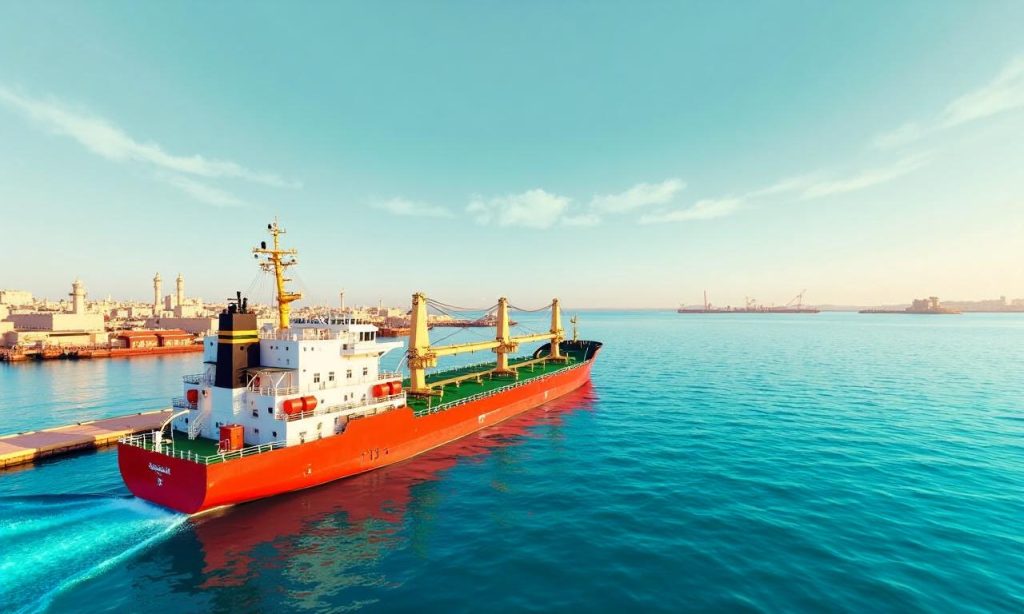
Cooper Urges Full and Toll-Free Reopening of Strait of Hormuz
Iranian Threats and Global Shipping Concerns
Yvette Cooper, the UK’s foreign secretary, has advocated for the complete reopening of the Strait of Hormuz, emphasizing that no restrictions or fees should be imposed on the vital maritime passage. This call comes after the Iranian navy issued warnings to ships in the Gulf, threatening to attack those without prior authorization to transit the waterway. The situation has created uncertainty for vessels, with fears that they might be required to pay Iran for safe passage.
Starmer’s Gulf Visit and Ceasefire Tensions
Sir Keir Starmer, the UK’s leader, arrived in Abu Dhabi on the second day of his Gulf tour, as the ceasefire agreement between the US and Israel appears to be facing pressure. During his meeting with Saudi Crown Prince Mohammed bin Salman, Starmer and the prince agreed on the necessity of achieving a lasting peace. Cooper’s remarks align with this goal, stressing the importance of international collaboration to restore the strait to full operation.
Global Economic Impact of the Closure
Approximately a fifth of the world’s energy shipments pass through the Strait of Hormuz, which has been effectively blocked by Iranian attacks in response to US and Israeli bombing campaigns. This disruption has led to a sharp rise in crude oil prices, exacerbating the cost of living in multiple countries. Cooper highlighted that Iran has “hijacked” the international shipping route, using it to “hold the global economy hostage” after the recent virtual summit, which excluded the US.
Cooper’s Call for Lebanon’s Inclusion
Cooper also urged Lebanon to be “urgently included” in the ceasefire agreement with Iran, alongside the US and Israel. She expressed concern over the escalation of Israeli strikes in the region and emphasized the need to end hostilities in Lebanon. “We want to see Lebanon part of the ceasefire, building on the agreement announced,” she stated during an interview on BBC Breakfast. “This is crucial for stabilizing the situation.” She noted that Gulf nations have underscored the economic damage tolls would inflict on global trade, and that the US administration has similarly highlighted the severity of the issue.
International Efforts and Ceasefire Debates
Cooper will deliver her annual speech on UK foreign policy priorities on Thursday evening, where she will further stress the importance of securing the strait. Last week, the UK led discussions with over 40 countries on strategies to unblock the waterway, with all participants agreeing that ending the war was the first step. Meanwhile, Pakistan, which mediated the ceasefire talks, and Iran claimed the deal covered Lebanon, where Israel has been engaged in conflict with the Iranian-backed Hezbollah group. However, Israel has insisted the two-week ceasefire does not extend to Lebanon.
UK’s Support for International Maritime Organization
As part of her efforts, Cooper will visit the International Maritime Organization on Thursday to show solidarity with the group’s initiatives to assist ships and seafarers stranded in the strait. The US has criticized allies for not doing enough to protect the shipping route or support its military operations, leaving the UK and others to navigate how to contribute without entangling themselves in the broader conflict. Prior to the ceasefire announcement, US President Donald Trump remarked that other nations should “build up some delayed courage” to reopen the vital waterway.
