US approves potential $2.1 billion sale of scarce Patriot missiles to Ukraine

Daftar Isi
Ukraine Cleared to Pursue $2.1 Billion Patriot Missile Purchase
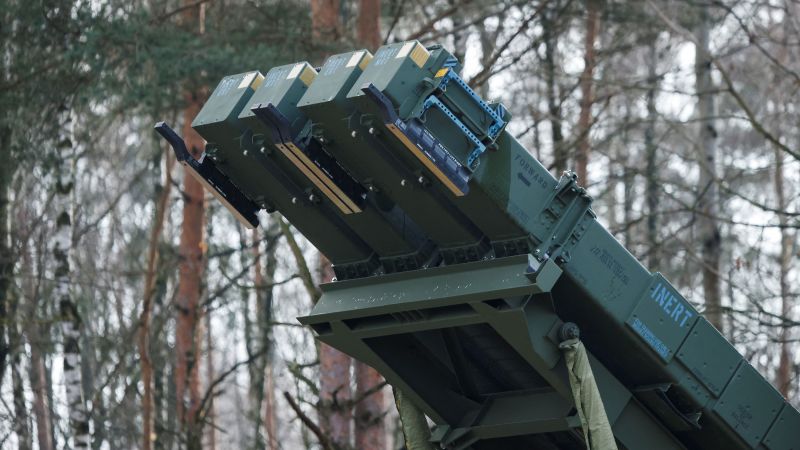
Activelifezero.com – Ukraine has received US authorization for a possible purchase of 500 Patriot PAC-3 MSE interceptor missiles, a major prospective acquisition as the country seeks to reinforce its defenses against Russian ballistic missile attacks.
The proposed package carries an estimated value of $2.1 billion and centers on the most advanced Patriot interceptor currently in operational use. PAC-3 MSE missiles are among the limited number of systems able to engage incoming ballistic missiles, making them especially important for protecting cities, infrastructure and military targets during sustained attacks.
Kyiv’s immediate need is acute. Its existing supply of Patriot interceptors was exhausted earlier this month, leaving the country more exposed to a category of Russian strikes that can be difficult to counter with other air-defense weapons. President Volodymyr Zelensky has repeatedly appealed for more interceptors as Russia continues launching ballistic missiles at targets across Ukraine.
European Partners to Fund the Purchase
The potential sale is not being paid for through US subsidies or financing. Instead, Ukraine plans to cover the cost with support from Canada, Germany and Norway, alongside a loan from the European Union.
That arrangement highlights the broader role European partners are playing in helping Ukraine secure urgently needed military equipment. US approval allows the transaction to proceed, but it does not resolve the central question facing Kyiv: when the missiles could actually arrive.
No delivery schedule was included in the authorization. The announcement also did not say whether missile parts might eventually be made in Ukraine through an offset agreement, an arrangement that could connect procurement with domestic production.
The State Department said it was unaware of an existing agreement between Ukraine and Lockheed Martin, the company that makes Patriot systems. Still, Kyiv and Lockheed Martin could negotiate such an arrangement directly.
Delivery Timing Remains the Key Issue
Zelensky welcomed the authorization on Friday while warning that an order that takes years to fulfill would do little to address Ukraine’s current winter danger. He has sought a short-term supply solution while production for future orders continues.
“It has been stipulated that deliveries may begin ONLY IN A FEW YEARS. We are asking our American partners to find a solution for the time when there is a real danger and a real need to use PAC-3 interceptors.”
He said Ukraine had requested a winter support package of 100 Patriot interceptors each month. In his view, the 500 missiles in the approved sale could protect Ukrainian airspace through the next several months, a period he described as important both for civilian security and for Ukraine’s position in negotiations.
“Five hundred missiles would be enough to protect our skies over the coming months – precisely when it is so important for Ukraine to be in a strong position in negotiations and for Russia NOT to succeed in breaking life in Ukrainian cities and communities.”
Zelensky argued that the United States and allied countries have enough PAC-3 interceptors in storage to provide Ukraine with missiles immediately, then replenish their own arsenals later from production already contracted and financed by Ukraine and its partners.
“Providing them to Ukraine right now – in the winter of 2026–2027 – and replenishing our partners’ arsenals LATER, in THE FOLLOWING YEARS, through this production already contracted and paid for by Ukraine and our partners would be the right approach.”
Pressure on Patriot Production
The question of timing reflects wider strain on global demand for advanced air-defense munitions. Patriot interceptor production faces pressure from the munitions shortage associated with the Iran war as well as growing demand from other countries seeking ballistic-missile defense capabilities.
At the NATO summit in Turkey in July, President Donald Trump unexpectedly announced that Ukraine would receive a license to manufacture Patriot missiles. Such a facility could eventually reduce dependence on US production lines, but building an interceptor factory in Ukraine would likely require years. Trump has since appeared to step back from that proposal.
Even so, the new authorization represents an important political and military gain for Zelensky. It recognizes Ukraine’s need for a substantial number of the highly sought-after interceptors, though the practical value of the deal will depend heavily on whether suppliers can accelerate delivery.
Winter increases the urgency. In a video released Friday, Zelensky said Russia had fired 17 ballistic missiles overnight, with some striking oil-refining infrastructure in central Ukraine. Cold weather can make attacks on energy and fuel facilities particularly damaging, affecting heating, transportation and other essential services.
In an August interview, Zelensky said that even a relatively small share of the US Patriot inventory could allow Ukraine to intercept all Russian ballistic missiles. That assessment underscores why PAC-3 MSE interceptors have become a central element of Kyiv’s air-defense requests.
The approval opens the path for a significant purchase, but it leaves Ukraine balancing a long-term procurement commitment against an immediate need to defend its population and critical infrastructure. For Kyiv, the decisive measure will not be the size of the authorized package alone, but how quickly Patriot interceptors can reach launch units before further Russian attacks.
Related Reading
Frequently Asked Questions
What is US approves potential 2 1 billion?
US approves potential 2 1 billion is the main topic of this guide. The article explains the context, practical details, and next steps readers should understand.
Why does US approves potential 2 1 billion matter?
US approves potential 2 1 billion matters because readers are looking for a useful answer, not just a short summary. Good content should match search intent and help them decide what to do next.