Trump fumed at coverage of rally cancellations before ordering the events back on

Daftar Isi
Trump Restores Kansas and Iowa Rallies After Abrupt Campaign Shift
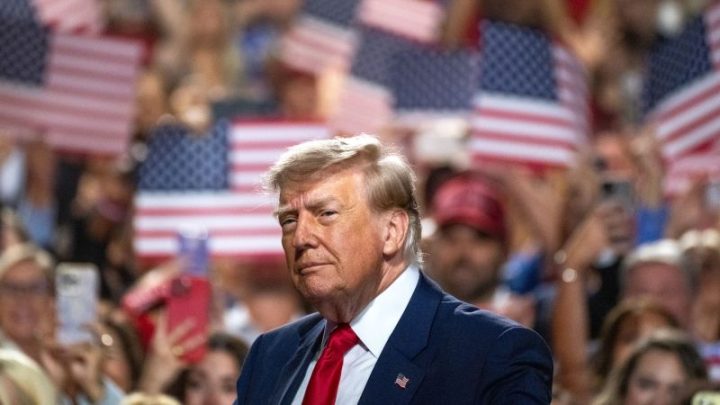
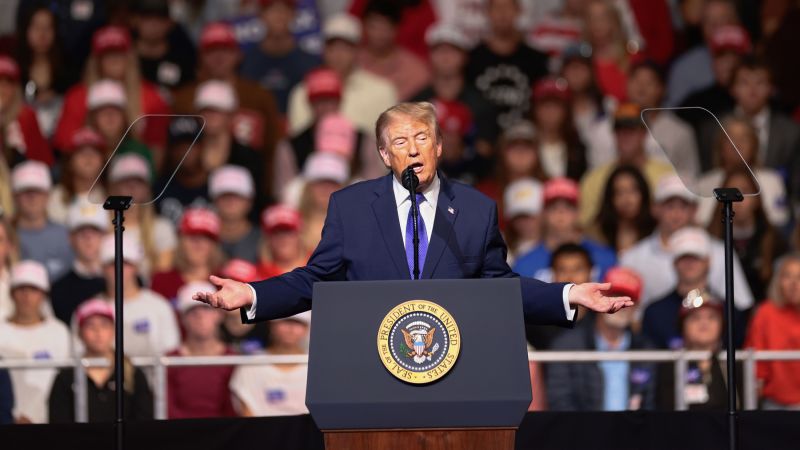
Activelifezero.com – President Donald Trump will again hold in-person campaign rallies in Kansas and Iowa on Sunday, reversing a decision made less than a day earlier to replace the events with telephone appearances.
The rapid change highlighted the unsettled final days of the midterm campaign, as Trump’s political operation tries to balance his demanding travel schedule with requests from Republican candidates seeking a boost before Tuesday’s elections.
Trump had traveled to South Carolina on Thursday for his 25th midterm rally of the month. During that trip, he and members of his political team decided that a planned Kansas event would be converted into a telerally. An Iowa rally scheduled for the same weekend was later removed from the calendar as well.
At the time, Trump said he did not believe a Kansas trip was necessary because Republican Sen. Roger Marshall was performing strongly.
“I don’t feel I have to go to Kansas,” Trump said, adding that Marshall was “doing really well.”
The cancellations represented a notable pause in a campaign strategy centered on large, in-person events across conservative districts. Trump’s rallies have been a major part of Republican efforts to motivate loyal supporters, even as candidates concentrate on state-specific issues and closely contested races.
Some Republican operatives privately welcomed the switch to virtual appearances, which are generally more structured and less likely to become lengthy, wide-ranging events. One senior Republican official expressed relief at the prospect of telerallies.
“Thank God,” the official said. “He hasn’t moved the needle anywhere.”
Sunday Events Put Back on the Calendar
By Friday, however, the approach had changed again. Trump announced that both rallies would proceed on Sunday after he received requests from people in Iowa and Kansas who preferred an in-person visit to a telephone event.
“We have a couple of races that are very important,” Trump said at the White House. “And they said if you could go it would be better than a telerally. And I tried to talk him out of that and I said, ‘What about a telerally?’ But they asked me. So I’m going to do two on Sunday.”
Trump also pointed to Saturday college football as a factor in shifting the events to Sunday. His team said the schedule was being reorganized so he could spend more time taking part in virtual campaign events.
People familiar with the planning described another element in the reversal: Trump was frustrated by coverage of the initial cancellations. After returning from South Carolina, he reacted sharply when a reporter asked whether he was tired from campaigning or dealing with health concerns.
“You’ve been following me for two weeks. I feel perfect,” Trump said.
He then criticized the reporter’s appearance, saying the reporter looked “like hell.” Soon afterward, staff members who had worked to remove the Kansas and Iowa events from the schedule were tasked with restoring them. A statement announcing the reversal declared:
“Rallies are BACK ON!”
A Campaign Defined by Trump’s Personal Role
The episode illustrates how closely Republican midterm hopes remain tied to Trump’s decisions. His endorsements have elevated preferred candidates, though some are now facing difficult races, and his rallies remain a central feature of the party’s turnout strategy.
That influence can create uncertainty for candidates and local campaigns. Marshall, speaking after the Kansas cancellation became public, suggested that Trump might have more valuable stops elsewhere.
“I think that I’m doing so well in the polls that he’s got, probably got better places to spend his time,” Marshall said.
Trump advisers maintain that campaigns continue to seek his help in the final days before Election Day. Republican teams have contacted Trump’s political operation about possible visits, reflecting the continuing value many candidates place on his ability to draw crowds, dominate attention and energize core supporters.
The original plan to cancel the weekend appearances was intended to broaden Trump’s reach rather than reduce his involvement. Instead of traveling to individual states, he could call into multiple events and address voters across a wider geographic area. By Thursday evening, MAGA Inc., Trump’s super PAC, said he would headline virtual events in 19 states designed to encourage turnout and support Republican candidates.
For campaigns, the choice between a rally and a telerally involves more than logistics. A virtual event can allow a candidate to benefit from Trump’s voice and endorsement while keeping the message tightly focused. An in-person rally can create greater local visibility and enthusiasm, but it also places the former president’s unscripted style at the center of the day.
Trump’s appearances often move beyond the specific races he is visiting, sometimes touching on personal grievances and subjects unrelated to the candidates standing beside him. That has left some Republican officials weighing the benefits of turnout energy against the possibility that campaign messaging could be redirected.
Still, with only days remaining before voters cast ballots, the restored Kansas and Iowa rallies show that Trump remains determined to be visible in the closing stretch. The weekend events will add to a month of intensive travel and underscore the degree to which his personal campaign choices continue to shape the Republican Party’s final push.
Related Reading
Frequently Asked Questions
What is Trump fumed at coverage of rally?
Trump fumed at coverage of rally is the main topic of this guide. The article explains the context, practical details, and next steps readers should understand.
Why does Trump fumed at coverage of rally matter?
Trump fumed at coverage of rally matters because readers are looking for a useful answer, not just a short summary. Good content should match search intent and help them decide what to do next.