US has plans for major Iran strikes if Trump chooses

Daftar Isi
US Military Readies Options for Potential Major Action Against Iran
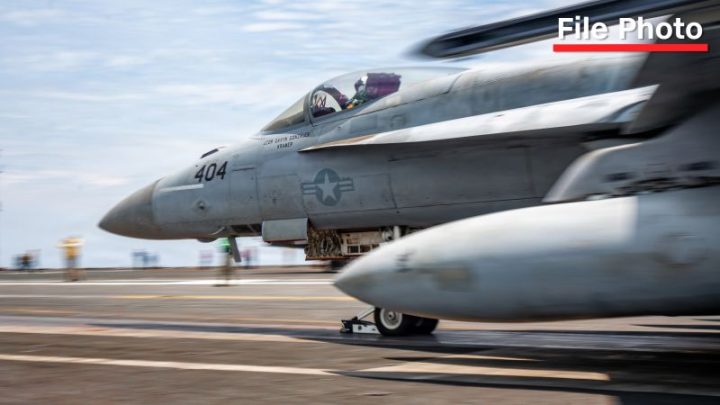
Activelifezero.com – American forces positioned across the Middle East could begin new and potentially large-scale operations against Iran within 96 hours if President Donald Trump gives the order, US officials said. The military footprint already in place is considered sufficient to carry out an attack, while Pentagon and Central Command planners continue refining options for a broader campaign.
Any new operation could extend well beyond limited strikes intended to disrupt Iranian radar systems, missile launchers or other assets that can be restored quickly. Those narrower actions have characterized the period since Trump stopped full combat operations earlier this year. Officials familiar with the planning believe a future campaign could aim at a much wider range of targets.
“It will be a big effort,” one official said.
Potential targets being developed by US Central Command and the Pentagon include energy infrastructure, military facilities and nuclear-related sites. The breadth of that list reflects the challenge military planners face: Iranian forces have had time to study US methods, making it harder to eliminate every intended target in a single operation.
Decision Could Follow Midterm Elections
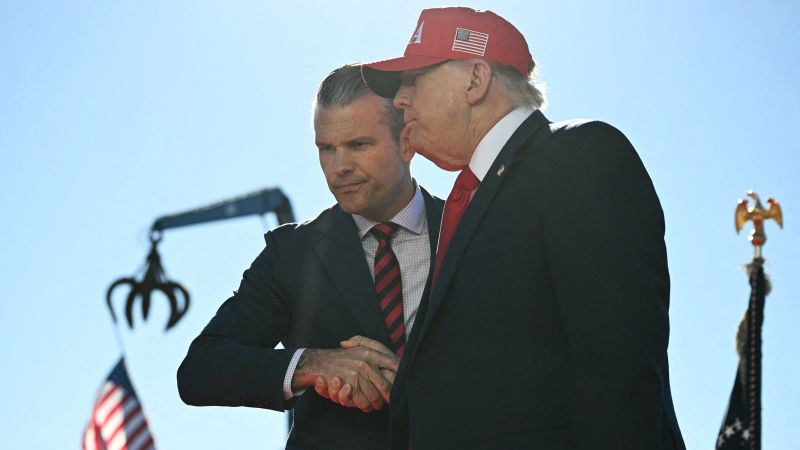
Trump has not made a final decision on his response after the midterm elections, though officials believe he has recently shown greater interest in authorizing major action. That assessment comes with an important caveat. The president has previously appeared close to backing a military step before withdrawing at the last moment.
Some current and former officials involved in internal discussions see the timing as the central question rather than the possibility of an order being issued. They believe a decision could arrive before the end of the year, with the period after the midterms viewed as the most likely window.
The White House did not comment on the potential operations. A senior Pentagon official stressed that military planning does not itself signal a final presidential decision.
“The Department is a planning organization, and its job is to develop and execute military options ordered by the President.”
Iran and Houthis Prepare for Possible Retaliation
Recent intelligence assessments indicate that Iran and Houthi rebels are treating the prospect of renewed US or Israeli attacks with serious concern. If Iran is struck by American or Israeli forces, Tehran and the Houthis would likely respond rapidly against US personnel and facilities across the region, with possible risks outside the Middle East as well.
An unclassified October 23 memo from Director of National Intelligence Jay Clayton to Secretary of State Marco Rubio stated that Iran had markedly increased activity aimed at US personnel. The memo said Iranian plotting had moved to advanced stages in the Middle East and in certain other countries.
US intelligence officials do not believe Iran or the Houthis are likely to launch an escalatory preemptive attack against American personnel or Israel at this stage. But that restraint is not expected to apply if Iranian territory or installations are targeted first. The distinction matters because it leaves regional forces on alert even while neither side is believed to be seeking an immediate opening strike.
The prospect of retaliation is also affecting diplomatic and military staffing. The United States is expected to continue reducing embassy personnel across the Middle East in the coming days. Riyadh is currently the only US diplomatic post in the region under an ordered departure, but other missions may receive similar instructions. Facilities that do not receive such orders could still face lower personnel limits.
US military rotations are being adjusted as well. Nonessential personnel who had been expected to deploy to the Middle East for the next troop rotation have been informed that they will not be sent. The move highlights the concern that a broader confrontation could require commanders to limit exposure and preserve flexibility across the region.
Strait of Hormuz Remains a Critical Pressure Point
Adm. Brad Cooper, the commander of US Central Command, visited the Strait of Hormuz on Sunday while US forces continued their blockade of Iranian ports and helped protect commercial shipping moving through the strategic waterway. Cooper surveyed current conditions from a helicopter flight over the strait and met service members involved in clearing Iranian mines from the route.
“We continue to stand shoulder to shoulder with our Gulf partners and the shipping industry,” Cooper said in a news release. “This visit underscores our strong commitment to continued freedom of navigation through the Strait of Hormuz.”
The Strait of Hormuz is one of the world’s most important maritime passages for energy shipments. Increased tanker traffic through the waterway does not remove the underlying danger: any escalation involving Iran, the United States or Israel could affect shipping security, military deployments and diplomatic operations throughout the Gulf.
For now, US military planners have prepared options while Trump retains the final choice over whether to authorize them. The next phase will depend on that decision, Iran’s response to the growing military presence, and whether efforts to contain the confrontation can prevent a wider regional conflict.
Related Reading
Frequently Asked Questions
What is US has plans for major Iran?
US has plans for major Iran is the main topic of this guide. The article explains the context, practical details, and next steps readers should understand.
Why does US has plans for major Iran matter?
US has plans for major Iran matters because readers are looking for a useful answer, not just a short summary. Good content should match search intent and help them decide what to do next.