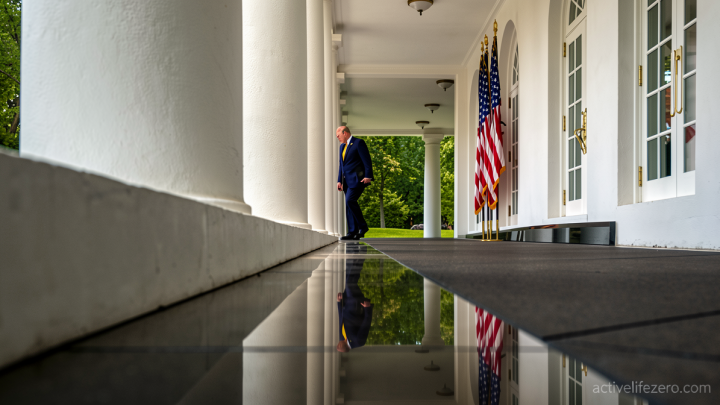
Trump stirs new storm by posing as strongman in taxpayer-funded video

Daftar Isi
Taxpayer-Funded Trump Video Ignites Debate Over Political Messaging
Activelifezero.com – A 30-second television video portraying President Donald Trump as an unyielding national defender has sparked a renewed argument over the boundary between government communications and campaign-style politics.
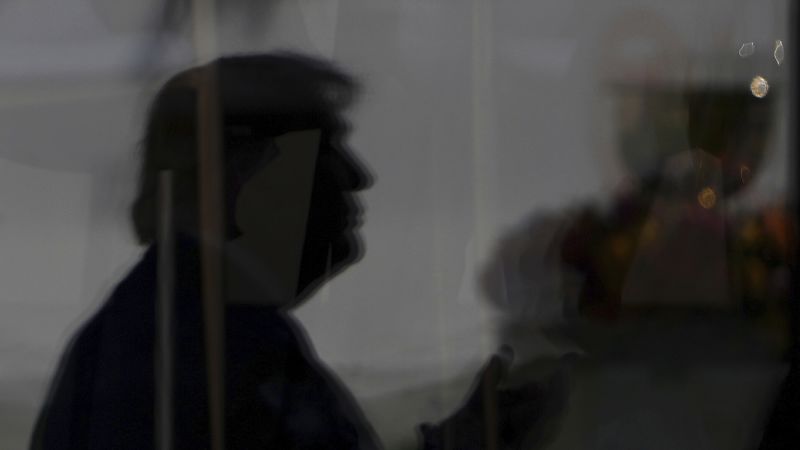
The black-and-white spot aired during NFL broadcasts on Sunday and presents Trump in dramatic, strongman-like imagery. An echoing narration has him pledging “a final battle” against communists, the deep state and the “fake news” media. Its most contentious element arrives at the end: a declaration that it was “Paid for by the U.S. Government.”
That tagline has intensified scrutiny because the ad uses public funds while delivering a message closely aligned with Trump’s political identity and longstanding attacks on his opponents. The debate comes five weeks before congressional elections, when Republicans are concerned about maintaining support in both the House and Senate.
Questions Over Public Funds
The White House has described the video as a public service announcement, not political advertising. Its position is that the material is intended to encourage patriotism and reinforce the importance of defending the country within the United States, at its borders and overseas.
“Public service announcements are about reminding Americans to love their country and understand what makes it worth defending, at home, at our borders, and abroad.”
The administration also called the ad educational and “unapologetically patriotic,” arguing that Trump’s absence from the midterm ballot means the videos should not be considered election advertising.
Critics see the matter differently. Democratic officials have objected to several recent government-funded videos with similar themes, while the consumer advocacy organization Public Citizen has filed a complaint with government ethics watchdogs. Republican Sen. John Kennedy of Louisiana also voiced concern, saying public officials should not use taxpayer money for “private ads for themselves.”
The central issue is not simply whether a president may appear in a government-funded message. Presidents of both parties have used public communications to encourage civic participation, explain national priorities and address emergencies. The harder question is whether a video built around a sitting president’s personal political enemies can fairly be separated from electoral messaging.
A Familiar Trump Political Style
The new ad echoes a video Trump shared on social media during his 2024 campaign. Its language and visuals reinforce a narrative that has been central to his political career: Trump is presented as confronting entrenched institutions, hostile media organizations and ideological opponents on behalf of ordinary Americans.
Supporters may view that approach as a blunt but legitimate expression of national priorities. They can argue that determining what counts as political often involves judgment, particularly when presidents frame policy disputes as questions of national survival or security.
But opponents argue that the ad goes well beyond a neutral appeal to patriotism. The references to communists, the deep state and the media are not broad civic themes; they are phrases embedded deeply in Trump’s political rhetoric. Using taxpayer money for such messaging means that citizens who disagree with the president’s agenda are also helping finance it.
The controversy is especially notable because Trump has access to a political war chest worth hundreds of millions of dollars. That financial strength undercuts the argument that public funding was necessary to spread the message. It also raises the possibility that government-funded television spots could serve as a powerful supplement to partisan campaign activity even if they do not explicitly ask viewers to vote.
Midterm Timing Adds Pressure
The White House maintains that the ads are unrelated to the election because Trump is not personally running. Yet Trump has urged supporters at his Texas “midterm convention” to act as if he were on the ballot.
“Pretend that I’m on the ballot.”
That appeal makes the timing difficult to ignore. Trump remains the dominant force in Republican politics, and messaging that casts him as a besieged leader may be designed to energize the voters the GOP needs to mobilize in large numbers during a midterm cycle.
The video arrives as Trump faces a more complicated political environment. Polling has shown Americans rejecting his positions on the economy, the war in Iran and his refusal to regulate artificial intelligence. Those pressures make an emotionally charged, leader-centered message potentially valuable to an administration seeking to keep its strongest supporters engaged.
White House Communications Director Steven Cheung rejected criticism of the ads, writing on X that viewers should not let the “Fake News” spread what he called lies about the administration’s public service announcements.
Past Presidential Messages Offer a Contrast
The administration has pointed to government advertisements associated with Presidents George W. Bush, Barack Obama, Joe Biden, Woodrow Wilson and Franklin Roosevelt. Those examples show that presidential communications have long been used to address national concerns.
Still, the comparison may depend on the circumstances and tone of each message. Franklin Roosevelt’s public messaging occurred during World War II, when the United States faced Nazi Germany and Japanese imperialism. Biden’s pandemic outreach focused on persuading Americans to receive Covid-19 vaccinations during a global health emergency.
Those campaigns were not free from political disagreement. The federal response to Covid-19 became deeply divisive, and presidential appeals have often carried political consequences. But the Trump video raises a distinct concern because it directly draws on partisan language and portrays political and institutional opponents as threats to the nation.
The dispute ultimately reflects a broader test of public trust. Government communications can inform citizens during crises and encourage participation in national life. They can also become blurred with political persuasion when they center on a president’s personal image and partisan grievances. As the midterm elections approach, that distinction is likely to remain a source of fierce debate.
Related Reading
Frequently Asked Questions
What is Trump stirs new storm by posing?
Trump stirs new storm by posing is the main topic of this guide. The article explains the context, practical details, and next steps readers should understand.
Why does Trump stirs new storm by posing matter?
Trump stirs new storm by posing matters because readers are looking for a useful answer, not just a short summary. Good content should match search intent and help them decide what to do next.