‘Please fight’: How an elderly woman’s eviction put Spain’s housing crisis in the spotlight

Daftar Isi
Madrid Eviction of 87-Year-Old Tenant Intensifies Spain’s Housing Debate
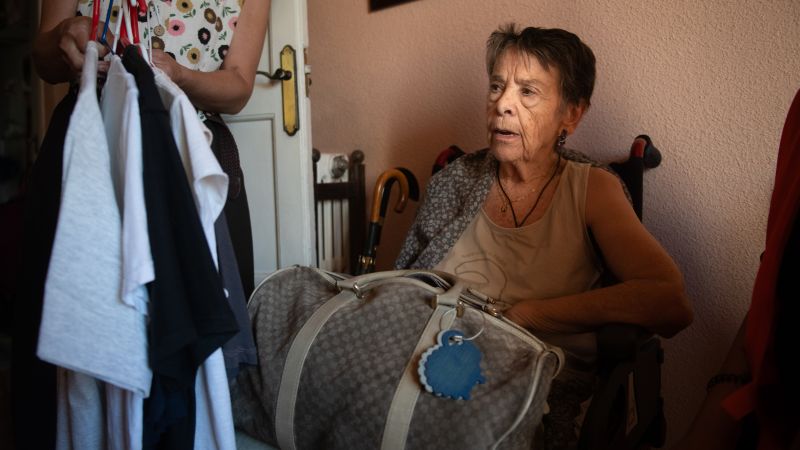
Activelifezero.com – An 87-year-old Madrid resident’s removal from the apartment she had called home for more than seven decades has become a focal point for anger over housing insecurity in Spain. María del Carmen Abascal, widely known as Maricarmen, was evicted last Wednesday from her longtime residence in the El Retiro neighborhood, setting off demonstrations in Madrid and other Spanish cities.
The case has resonated far beyond one building near El Retiro Park. For many protesters, it embodies the vulnerability felt by tenants confronting rising rents, limited affordable alternatives and the loss of homes that carry generations of family history.
Protests Spread Beyond Madrid
Tens of thousands of people marched in Madrid on Saturday in support of Maricarmen and in protest of eviction practices. Some participants spent the night in Puerta del Sol, and families spanning several generations joined the gathering on Sunday.
Demonstrators have called for stronger protections for tenants and for a prohibition on evictions when people have no nearby alternative place to live. Public expressions of support also emerged in Barcelona, Seville and Valencia.
On the afternoon of the eviction, nearly 10,000 people gathered in the Spanish capital. Their demands extended beyond Maricarmen’s individual situation to the wider challenge of finding and keeping housing in Spain’s major cities.
A Home Since 1956
Abascal had lived in the apartment on Alcalde Sainz de Baranda Street since 1956. She grew up there with her parents and later inherited their tenancy. Her lawyer, Beatriz Duro, has said that the apartment was not simply a residence but the center of Maricarmen’s life.
The arrangement was an older form of lease, under which Abascal paid roughly 500 euros per month, or about $568. The situation changed after the real estate company Urbagestión Desarrollo e Inversión bought the apartment building in March 2018 for 247,000 euros, equivalent to about $280,787.
Following the purchase, the new owner sought rent up to four times higher, the Madrid Tenants’ Union has said. Abascal receives a pension of 1,300 euros a month, around $1,478, making the requested increase especially difficult to absorb.
For residents watching the case unfold, the contrast is stark: a tenant who had occupied the same home for decades faced the prospect of displacement after ownership of the property changed hands.
A Long Legal Battle
In March 2020, the property company began legal proceedings to end the lease. Abascal initially prevailed in a lower court, but the company appealed and the Provincial Court later ruled in its favor.
Duro subsequently pursued a constitutional-protection petition before the Constitutional Court and lodged an appeal with the Supreme Court. Both efforts were dismissed. Meanwhile, Urbagestión also sought enforcement of the lease termination in order to recover possession of the apartment.
The result was a series of attempted evictions. There were as many as four efforts to remove Abascal from the home. In October 2025, her legal team secured a four-month delay through a legal provision applicable when the party pursuing an eviction is a legal entity.
Another planned eviction in June 2026 was put on hold for nearly a month because of her vulnerable circumstances and the absence of alternative housing. The date was then moved to July, while Duro continued to challenge the decision.
Supporters and representatives sought alternatives during that period. Duro said mediation took place through Casa 47, the state housing agency, with a proposal for the agency to buy the apartment and rent it back to Abascal at a more manageable rate. An unidentified person also offered, shortly before the eviction, to cover part of the rent. The property company did not accept the proposed options, Duro said.
Hospitalization and a Message to Supporters
Abascal was taken from the apartment on a stretcher and transported to Gregorio Marañón Hospital. She was expected to stay for several days while undergoing medical tests.
From the hospital, she addressed those who had mobilized on her behalf in a video released Friday. Her words transformed a deeply personal loss into an appeal for collective action.
I did not manage to defend my home, but I have fought so that others learn to fight for theirs.
My house has been my life. And now I have to leave it behind. But that does not mean I will not keep fighting.
Please fight.
She also sent supporters “a very big hug” and thanked them for what they had done.
Why the Case Matters
Maricarmen’s eviction has brought attention to how legal tenancy disputes can become matters of public concern when age, health, income and the availability of replacement housing collide. The public reaction shows that the dispute is being viewed not only through the terms of a lease, but also through the human consequences of losing a home after a lifetime spent there.
The calls heard in Madrid’s streets center on a basic question: what protections should exist for tenants who cannot find another place to live? Protesters are pressing for rules that give greater weight to that question before an eviction goes ahead.
For Abascal, the immediate loss is tangible: the apartment where she lived from childhood, shared life with her parents and remained for most of her adult years is no longer hers to occupy. For the people rallying in her name, her experience has become a demand that housing policy account for those with the fewest options when their homes are put at risk.
Related Reading
Frequently Asked Questions
What is Please fight?
Please fight is the main topic of this guide. The article explains the context, practical details, and next steps readers should understand.
Why does Please fight matter?
Please fight matters because readers are looking for a useful answer, not just a short summary. Good content should match search intent and help them decide what to do next.