At UN, Russia and Germany’s top diplomats hold first talks since invasion of Ukraine

Daftar Isi
Russia and Germany Resume Direct Foreign Minister Talks at the United Nations
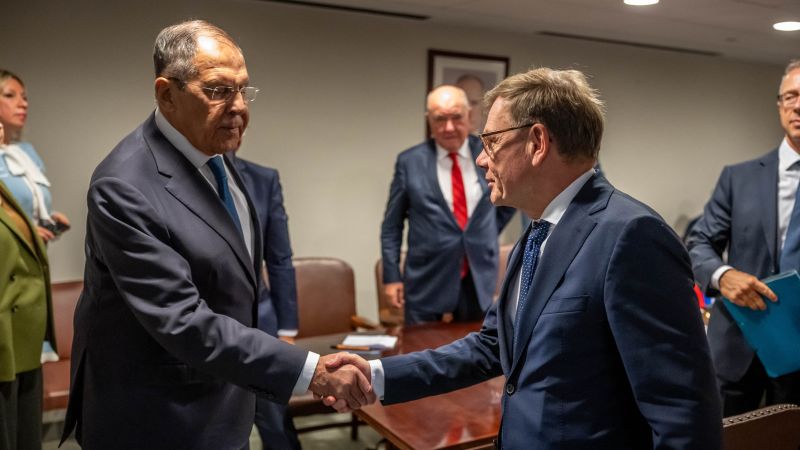
Activelifezero.com – Russia’s Sergey Lavrov and Germany’s Johann Wadephul held face-to-face talks in New York on Saturday, marking the first meeting between the countries’ top diplomats since before Moscow launched its full-scale invasion of Ukraine in 2022. The encounter took place alongside the United Nations General Assembly at a time when relations between Berlin and Moscow remain deeply strained.
Germany has been among Ukraine’s key European partners since the invasion began, while Russia’s war has transformed what had once been an important political and economic relationship between Berlin and Moscow into one defined by confrontation, sanctions and mutual accusations. The ministers addressed both their bilateral relationship and the conflict in Ukraine, but their public comments showed that fundamental differences remain unresolved.
Grain Shipping and Energy Infrastructure Take Priority
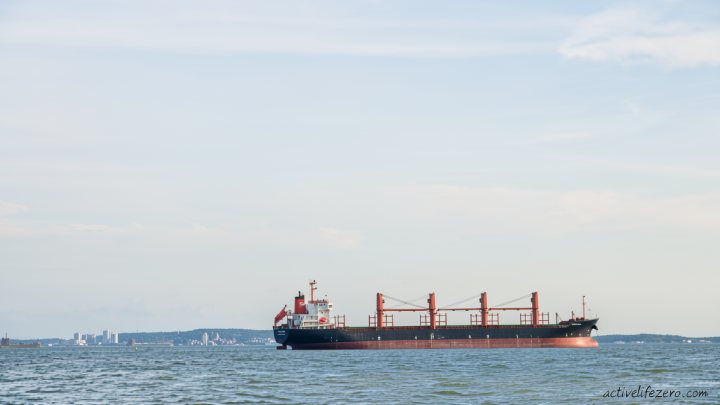
A central issue in the discussion was the Black Sea, where attacks on vessels and port facilities have sharply reduced grain and energy exports. The disruption has heightened concern for countries dependent on food imports, particularly across the Global South.
Wadephul pressed Lavrov to make every possible effort to secure an arrangement for grain exports through the Black Sea. He stressed the urgency of restoring a safer environment for shipping and encouraging all parties to participate constructively.
“Time is of the essence: given the food shortages in many countries — particularly in the Global South — all parties must be willing to engage constructively,” Wadephul told Lavrov.
The German foreign minister also argued that practical progress on the issue could create momentum for additional measures. His comments linked the immediate need to protect trade routes with the broader search for steps that could reduce the damage caused by the war.
Lavrov said Russia had discussed proposals for safe navigation in the Black Sea with India, Egypt and Turkey. He suggested that possible arrangements could involve separate bilateral agreements between Russia and those countries. At the same time, he said discussions with Ukraine would still be needed, framing them as demands rather than requests and accusing Kyiv of responsibility for attacks on ships.
Ukraine has said it is willing to consider agreements and maintains that Russia’s invasion is responsible for the wider consequences of the conflict, including the threats to shipping, food supplies and infrastructure.
Little Sign of a Diplomatic Thaw
Despite the significance of the meeting itself, Lavrov made clear that he did not view the conversation as bringing a change in Germany’s position. He said Wadephul had not presented anything that Berlin had not already stated publicly.
“I told him that frankly … you could just have called me and said: ‘read my statement’,” Lavrov said.
The remark highlighted the limits of the exchange. The meeting reopened a direct channel at the foreign-minister level, but it did not signal an improvement in the underlying relationship or a shared approach to ending the war.
Afterward, Wadephul informed European allies about the discussion. In his message, he said he had reiterated Germany’s view that Russia’s war against Ukraine was an act of aggression. He also called for an immediate and complete ceasefire, with particular attention to grain exports and energy infrastructure.
Tensions Deepened After German Drone Incident
The New York meeting followed a further escalation in August, when an attempted drone incident occurred at Leipzig/Halle Airport in eastern Germany. The German government said this month that it had concluded Russia was responsible.
Berlin responded by closing a consulate and a Russian cultural center in the German capital. Russia’s embassy in Berlin rejected the accusations, describing them as a fabricated provocation and part of what it called a renewed wave of anti-Russian sentiment in Germany.
Wadephul used his discussion with Lavrov to urge Russia to step away from what Germany considers a dangerous course of escalation directed at Germany, Europe and NATO. He also said that incidents such as the attempted attack in Leipzig, along with other potential hybrid actions, would not weaken Germany’s commitment to supporting Ukraine.
The reference to hybrid attacks reflects the wider security concerns confronting European governments during the war. Such concerns extend beyond the battlefield and include suspected sabotage, threats to infrastructure, cyber activity and incidents involving aircraft or drones. For Germany, the Leipzig episode has become part of a broader argument that the conflict’s risks are not confined to Ukrainian territory.
A Limited Opening Amid a Wider Standoff
The direct contact between Lavrov and Wadephul is notable because high-level dialogue between Russia and Germany has become rare since 2022. Yet the meeting also demonstrated why diplomacy remains difficult: the two governments differ not only on responsibility for the war, but also on the conditions for a ceasefire, Black Sea security and the nature of the risks facing Europe.
Even so, the Black Sea remains one of the areas where limited agreements could have consequences far beyond Russia and Ukraine. Grain shipments are essential to international food markets, while secure navigation affects commercial vessels, ports and countries reliant on imported staples. A workable arrangement would require confidence that ships and coastal infrastructure would not be targeted.
For now, the ministers’ meeting appears to have provided an opportunity to restate sharply opposed positions rather than establish a breakthrough. Germany continues to demand an end to Russia’s war and to support Ukraine, while Russia continues to place responsibility on Kyiv for the violence affecting Black Sea shipping.
The exchange nevertheless underlines the pressure to keep channels of communication open when the stakes include civilian food supplies, energy systems and the possibility of further escalation between Russia and European states.
Related Reading
Frequently Asked Questions
What is At UN Russia and Germany s top?
At UN Russia and Germany s top is the main topic of this guide. The article explains the context, practical details, and next steps readers should understand.
Why does At UN Russia and Germany s top matter?
At UN Russia and Germany s top matters because readers are looking for a useful answer, not just a short summary. Good content should match search intent and help them decide what to do next.