Tunisia is one of the world’s largest olive oil producers — but you’ll rarely see it mentioned on a label

Daftar Isi
Tunisia’s Olive Oil Seeks Its Place on the Label
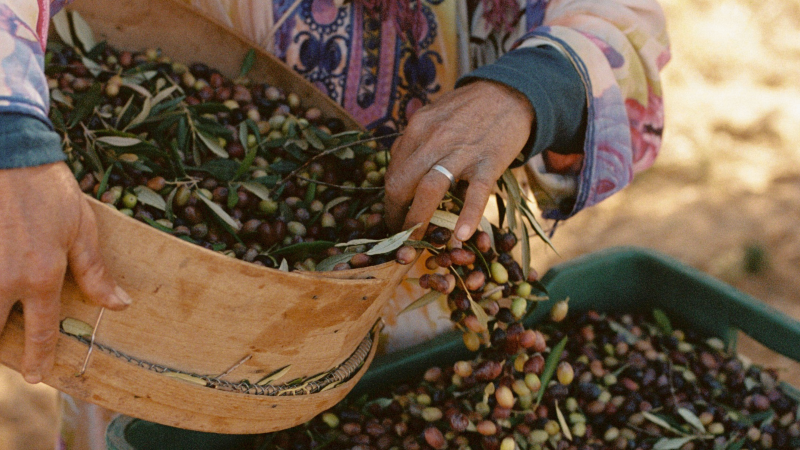
Activelifezero.com – Tunisia is one of the world’s leading olive oil producers, with olive trees woven into the country’s landscape, cuisine and family traditions for nearly 3,000 years. It is projected to be the second-largest producer during the 2025/2026 season, yet many consumers abroad may never see Tunisia clearly named on the bottle.
For independent producers, that absence is more than a marketing problem. They want Tunisian extra virgin olive oil to be recognized for its distinct varieties, heritage and quality rather than treated primarily as an anonymous bulk commodity.
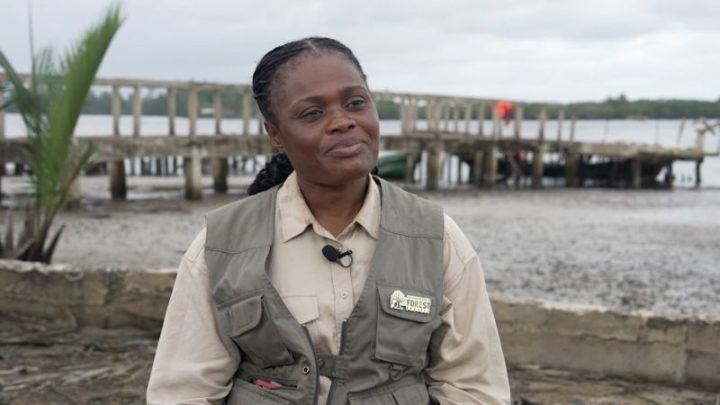
Sarah Ben Romdane, founder of the organic olive oil label KAÏA, says her family has long been connected to the trade and was the first Tunisian family to export olive oil to the United States. In Tunisia, olive oil also carries a personal meaning that reaches beyond the kitchen.
“In Tunisia, we say there are more olive trees than Tunisians. Every family has a history with olive oil.”
Olive oil is associated with family land, shared meals and traditional care. Ben Romdane believes the country’s close relationship with its harvest has been weakened as an export-focused industry has made Tunisian origin less visible.
Why Tunisian olive oil often disappears from view
During the 2025/2026 season, 86% of Tunisia’s olive oil exports were sold in bulk, according to local producer OLYFO. Spain, Italy and the United States were the three biggest destinations.
After export, the oil can be bottled in another country and blended with oils from other origins. European Union rules can allow broad descriptions for blends from inside and outside the EU, while US labels may not make a clear distinction between where an oil was imported, produced or harvested.
As a result, Tunisia is one of the world’s important olive oil sources, but a Tunisian harvest may arrive on overseas shelves without a prominent Tunisian identity. That can limit recognition for producers and reinforce the idea that the country supplies lower-cost oil rather than premium products.
“Our olive oil is some of the best in the world, and these stereotypes are the result of an injustice imposed by foreigners on us.”
Control of the olive oil value chain
Economist Fadhel Kaboub, an associate professor at Denison University and author of the Global South Perspectives newsletter, argues that the central issue is not simply growing olives. It is also about who controls branding, bottling, finance and access to international markets.
Tunisia was under French rule from 1881 to 1956. Kaboub says this history continues to influence the country’s role in the olive oil trade, even decades after independence.
Access to finance remains a major challenge for many growers. Land passed through tribal inheritance may lack modern title documents, making domestic credit difficult to obtain. Farmers with limited options can sell their crop well before harvest to bulk buyers from Italy or Spain, leaving them with little influence over the eventual price.
The effects are felt across rural communities, including seasonal workers. Women make up a large share of seasonal labor in the sector, where stable incomes can be difficult to secure. Transport safety has also been a serious concern when agricultural workers are carried in vehicles not designed for passengers.
FAQ: Buying Tunisian Olive Oil
How can shoppers identify Tunisian olive oil?
Check the label for Tunisia as the stated country of origin and look for information about where the olives were harvested and the oil was bottled. A label that only identifies an importer or a broad blend may not clearly reveal the oil’s origin.
Does bottling location show where the olives were grown?
No. Olive oil can be harvested in Tunisia, exported in bulk and bottled elsewhere. The bottling location alone does not necessarily identify where the olives were produced.
Why does Tunisian origin matter?
Clear origin labeling helps consumers understand what they are buying and gives Tunisian producers a better opportunity to build recognition for their oils. Tunisia is one of the world’s major producers, and greater visibility can help connect its harvests with the country’s long olive-growing tradition.